World Environment Day 2026: UN chief warns of 1.5°C overshoot as Baku hosts global ceremony
Synopsis
On World Environment Day 2026, UN chief Guterres declared a 1.5°C overshoot 'almost inevitable' — the starkest admission yet from the UN's top official. With El Niño returning and the past 11 years confirmed as the hottest on record, Azerbaijan's hosting of the Baku ceremony adds an uncomfortable irony: a fossil-fuel-dependent state leading the global climate conversation.
Key Takeaways
UN Secretary-General António Guterres warned on World Environment Day 2026 that the past 11 years are the 11 hottest on record .
A temporary breach of the 1.5°C Paris Agreement threshold is now described as 'almost inevitable.' Azerbaijan hosted the official ceremony in Baku and pledged a 40% emissions cut by 2035 and 30% renewable energy by 2030 .
El Niño is set to return, compounding near-record global temperatures and extreme heat risks.
Guterres called for slashing emissions, cutting methane, protecting ecosystems, and fulfilling climate finance promises to developing nations.
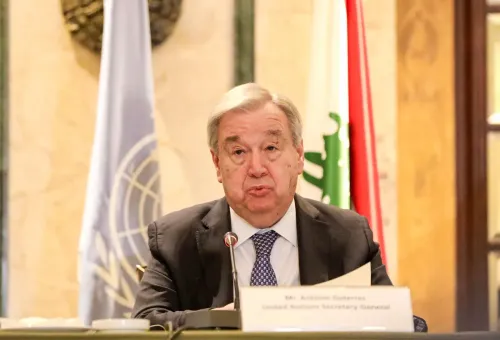
UN Secretary-General António Guterres issued a stark warning on World Environment Day 2026, stating that the past 11 years have been the 11 hottest on record and that a temporary breach of the 1.5 degrees Celsius Paris Agreement threshold is now 'almost inevitable.' The global observance, marked on 5 June, saw governments, businesses, and communities worldwide sound the alarm on accelerating climate risks, with Azerbaijan hosting the official ceremony in Baku.
Guterres Issues Urgent Climate Warning
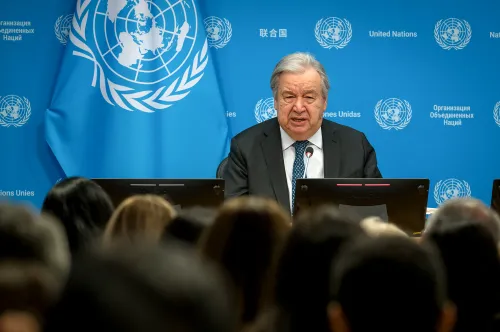
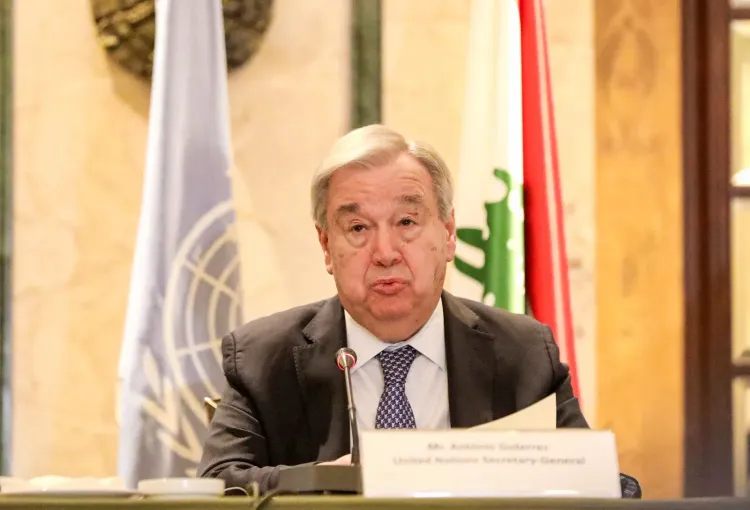
'This World Environment Day, warning signals are everywhere. The past 11 years have been the 11 hottest on record… The world is heading for a temporary overshoot above 1.5 degrees,' Guterres said in his message for the occasion.
He called for cutting emissions, accelerating a just transition away from fossil fuels toward renewables, slashing methane output, protecting forests and seas, and fulfilling climate finance commitments to developing nations. 'This is the moment to act, for our environment and for our future,' he added.
Azerbaijan in the Spotlight
As host of the official World Environment Day 2026 ceremony, Azerbaijan used the occasion to reaffirm its own climate pledges. Rashad Ismayilov, Azerbaijan's Minister of Ecology and Natural Resources, said: 'The science is clear: every fraction of a degree of warming costs lives, livelihoods, and ecosystems — and no country is spared.'
Ismayilov announced that Azerbaijan is committed to nearly doubling its renewable energy capacity by 2030 and implementing a 1.5°C-aligned climate action plan. The government has also pledged a 40 per cent reduction in emissions by 2035 and a 30 per cent renewable energy target by 2030.
El Niño Return Compounds Climate Urgency
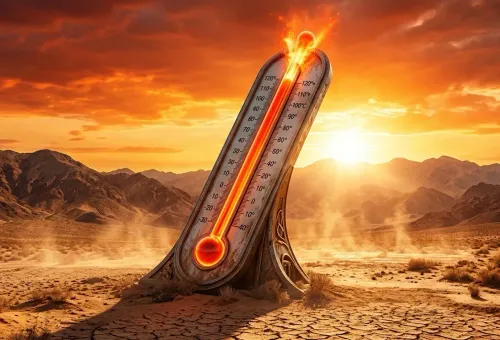
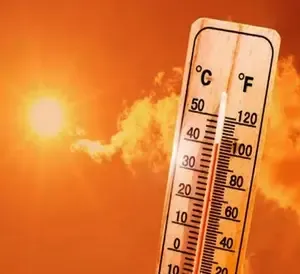
This year's observance comes as El Niño is set to return, compounding already near-record global temperatures. Extreme heat has been identified as one of the deadliest and fastest-growing climate threats to lives, livelihoods, and economies worldwide.
The Caspian Sea — the world's largest inland body of water — has been shrinking, a crisis that Azerbaijan is directly grappling with alongside broader conservation efforts. Officials at the Baku ceremony stressed that both collective and individual action are essential to stave off the worst climate impacts.
Azerbaijan's Multilateral Climate Role
Azerbaijan has recently stepped up its profile in global environmental governance, having hosted the UN Climate Change Conference (COP29) and, more recently, the World Urban Forum. Observers note that the country's role as World Environment Day 2026 host reinforces its positioning as an active participant in multilateral climate processes, even as it remains a significant fossil fuel producer — a tension critics argue merits closer scrutiny.
What Comes Next
The global climate calendar now turns toward upcoming multilateral negotiations, where commitments made on occasions like World Environment Day will be tested against national action plans and climate finance flows. With the 1.5°C overshoot scenario increasingly locked in according to current trajectories, the pressure on governments to accelerate emissions cuts and adaptation funding has never been greater.
Point of View
A petrostate, as host of World Environment Day 2026 encapsulates the central contradiction of global climate diplomacy: the nations most invested in fossil fuel revenues are increasingly central to the forums meant to phase them out. The pledges from Baku are notable, but Azerbaijan's credibility as a climate leader will ultimately be measured against its oil and gas export trajectory, not its renewable energy targets. The gap between headline commitments and verified emissions pathways remains the defining accountability failure of the post-Paris era.
NationPress
22 Sept 2026
Frequently Asked Questions
What is World Environment Day 2026 about?
World Environment Day 2026 focuses on urgent climate action, with the theme centred on cutting emissions and adapting to escalating climate risks. The official ceremony was hosted by Azerbaijan in Baku on 5 June 2026.
What did UN Secretary-General Guterres say on World Environment Day 2026?
Guterres warned that the past 11 years have been the hottest on record and that a temporary overshoot of the 1.5°C Paris Agreement threshold is now almost inevitable. He called for slashing emissions, cutting methane, protecting ecosystems, and fulfilling climate finance commitments to developing nations.
Why is Azerbaijan hosting World Environment Day 2026?
Azerbaijan was designated as the official host of World Environment Day 2026, continuing its recent profile in global climate diplomacy after hosting COP29 and the World Urban Forum. The country used the occasion to reaffirm pledges including a 40% emissions cut by 2035 and near-doubling of renewable energy capacity by 2030.
What is the significance of El Niño returning in 2026?
El Niño's anticipated return is expected to push already near-record global temperatures even higher, intensifying extreme heat events. Extreme heat is considered one of the fastest-growing and deadliest climate threats to lives, livelihoods, and economies worldwide.
What does the 1.5°C overshoot mean and why does it matter?
The 1.5°C threshold is the more ambitious target set by the Paris Agreement to limit the worst impacts of climate change. An overshoot means global average temperatures would temporarily exceed this level, increasing the frequency and severity of extreme weather events, threatening ecosystems, and disproportionately affecting developing nations and vulnerable communities.