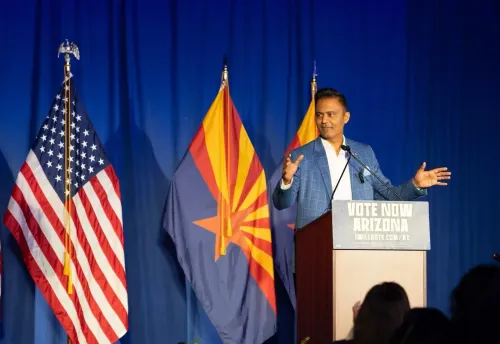
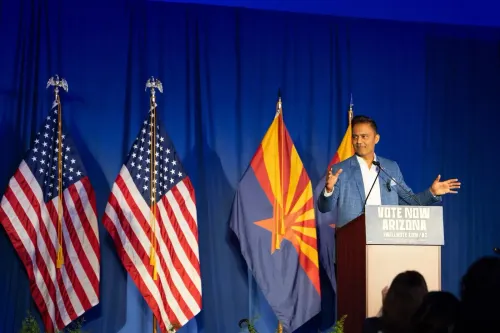
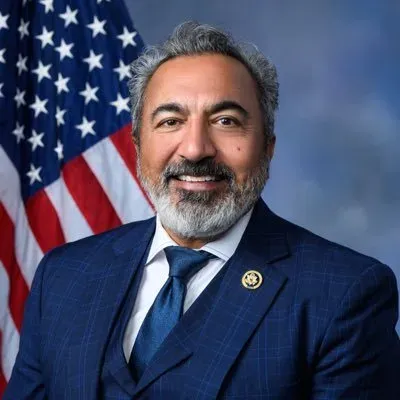
Congressman-elect Amish Shah targets tariffs, anti-Indian hate in US
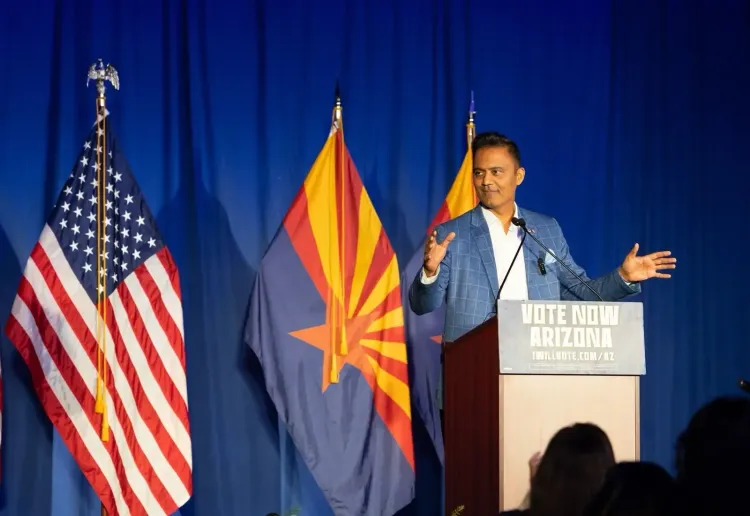
Synopsis
Newly elected to the US Congress, Amish Shah — whose family roots lie in Gujarat — is positioning himself as a vocal advocate for Indian-Americans on two fronts: rolling back tariffs that have squeezed small businesses and confronting a surge in anti-Indian hostility he says is unlike anything he has seen in his lifetime. His remarks signal a rare convergence of trade policy and diaspora politics in Washington.
Key Takeaways
Congressman-elect Amish Shah has pledged to roll back tariffs and move tariff-setting authority from the White House to Congress.
Shah cited Indian-American business owners in Arizona as among those hurt by repeated tariff changes.
He committed to joining the India Caucus and said resolving tariff disputes could improve US-India relations.
Shah flagged a sharp rise in anti-Indian hostility over the past six months to a year , calling on elected officials to condemn it and explore security legislation.
He backed a Medicare public option on healthcare and called for Congressional authority over the Iran conflict.
Shah's family has roots in Gujarat ; his mother came to the US in 1969 on a sponsorship to study engineering.
US Congressman-elect Amish Shah has pledged to roll back tariffs and strip tariff-setting authority from the White House, citing direct harm to Indian-American entrepreneurs, as he also vowed to confront a rise in anti-Indian hostility across the country. Shah made the remarks while speaking to a group of Indian journalists on Wednesday in Washington.
Tariff Reform as a Top Priority
Shah said that lowering costs for businesses and households in his district would be central to his work in Congress. He committed to joining the India Caucus and argued that resolving tariff disputes could help strengthen the broader relationship between Washington and New Delhi.
'Rolling back those tariffs, reasserting Congress' authority over tariffs and taking it away from the White House will be a top priority as well,' Shah said.
He noted that Indian-American business owners had approached him about the volatility of duties that had 'repeatedly changed,' and linked their concerns to wider pressures facing small businesses and households in Arizona. To illustrate the point, Shah described a conversation with the owner of Pizza Heaven, a restaurant he frequents. The owner told him, before election day, that rising tomato prices were forcing her to raise menu prices because pizzas required sauce — a small but telling example, Shah argued, of how tariffs raise the cost of basic goods.
'We want to help all the small businesses, including all the ones in my district,' he said.
Rising Anti-Indian Hostility
Shah expressed alarm about a surge in anti-Indian sentiment, saying he had witnessed an increase over the past six months to a year unlike anything he could recall in his lifetime. He described the comments as deeply hurtful to a community that had created jobs, served in medicine and contributed broadly to the American economy.
Notably, Shah said some of that hostility had come from candidates for public office. He recalled remarks directed at students cheering for their football team, saying he could place himself in their position during his years at Northwestern University.
'Nobody should have to feel unsafe when they go to a place to worship,' he said.
Shah called on elected officials to condemn such hostility, stand with affected communities and explore legislative avenues to improve security for minority groups.
Healthcare, Iran and Bipartisan Work
On domestic policy, Shah backed a public option that would allow Americans to buy into Medicare, arguing it could expand coverage, put downward pressure on private insurance premiums and strengthen Medicare's overall finances. 'It is their choice to buy in. And I believe it would lower healthcare premiums,' he said.
On foreign policy, Shah said Congress should reassert its war-making authority on the Iran conflict, calling for an end to the war while ensuring Iran does not acquire nuclear weapons and working to bring down fuel prices.
He also pledged to work across party lines, drawing on his record of passing legislation through a Republican-controlled state legislature. 'I have pledged to work in a bipartisan fashion, just like I did in the State House,' he said.
Family Roots and the Indian-American Journey
Shah's family traces its roots to Gujarat. His mother moved to Mumbai as a child, while his paternal grandfather relocated to Kochi and established a tea and spices business — cities Shah said he visited while growing up. His mother began studying at the Milwaukee School of Engineering in 1969 after receiving sponsorship to come to the United States, a story Shah recounted as a testament to the generosity that had shaped his family's journey. His immediate priorities in Congress, he said, would focus on living costs, healthcare and Arizona's water supply — issues he described as the core mandate his constituents had sent him to address.
Point of View
Meanwhile, is politically resonant but light on legislative specifics — the real test will be whether he can translate concern into enforceable protections.
NationPress
12 Nov 2026
Frequently Asked Questions
Who is Amish Shah and why is he significant for Indian-Americans?
Amish Shah is a newly elected US Congressman whose family traces its roots to Gujarat, India. He is significant to the Indian-American community because he has pledged to address tariff impacts on Indian-American entrepreneurs, join the India Caucus, and confront rising anti-Indian hostility in the United States.
What is Amish Shah's position on US tariffs?
Shah has called for rolling back existing tariffs and reasserting Congressional authority over tariff-setting, which currently rests with the White House. He argues that volatile tariff changes have directly hurt Indian-American small business owners and broader households in his Arizona district.
What has Amish Shah said about anti-Indian hate in the US?
Shah said he has witnessed a rise in anti-Indian hostility over the past six months to a year that is unlike anything he can recall in his lifetime. He called on elected officials to condemn such hostility, stand with affected communities and explore legislative measures to improve security.
What are Amish Shah's other policy priorities in Congress?
Beyond tariffs and anti-Indian hate, Shah has prioritised healthcare reform — backing a public Medicare buy-in option — along with Arizona's water supply and cost-of-living issues. On foreign policy, he has called for Congressional reassertion of authority over the Iran conflict while preventing Iran from acquiring nuclear weapons.
How does Amish Shah's background connect to India?
Shah's family has roots in Gujarat. His mother grew up in Mumbai and came to the United States in 1969 on a sponsorship to study at the Milwaukee School of Engineering, while his paternal grandfather established a tea and spices business in Kochi. Shah has said he visited both cities while growing up.