South Korea drug arrests up 33.8% in 2026; 9,530 caught in 8 months
Synopsis
South Korea's narcotics crackdown is delivering numbers — but the more striking story is the method. The 33.8% surge in smuggling and manufacturing arrests, combined with high-profile repatriations from the Philippines and Thailand, marks a deliberate pivot from arresting users to dismantling transnational supply chains. With 9,530 people caught in just eight months and an international conference on narcotics coming next month, Seoul is signalling a sustained, cross-border enforcement offensive.
Key Takeaways
9,530 people were arrested for drug-related offences in South Korea between January and August 2026 , up 5.3 per cent year-on-year.
Arrests for drug smuggling and manufacturing rose 33.8 per cent to 174 from 130 in the same period last year.
Drug dealing arrests increased 6.6 per cent to 3,396 ; medical drug offences rose 11.9 per cent to 706 .
Notorious trafficker Park Wang-yeol was repatriated from the Philippines ; police linked him to drugs worth 6.3 billion won and criminal proceeds of 8.63 billion won .
A follow-up operation with Thai authorities led to the arrest of Choi Byeong-min , uncovering 41 additional offences and 6 billion won in seized criminal proceeds.
The NOI plans to host an international narcotics conference next month to expand cross-border enforcement cooperation.
Drug-related arrests in South Korea surged in the first eight months of 2026, with the total number of people caught for narcotics offences reaching 9,530 — up 5.3 per cent from the same period last year, according to the National Office of Investigation (NOI) under the Korean National Police Agency. The rise reflects an intensified law enforcement push to sever drug supply chains and dismantle distribution networks.
Sharp Rise in Smuggling and Manufacturing Arrests
The starkest increase was recorded in drug smuggling and manufacturing cases. Between January and August 2026, police arrested 174 people for these offences — a jump of 33.8 per cent from 130 arrests during the corresponding period in 2025. Arrests for drug dealing also climbed, rising 6.6 per cent year-on-year to 3,396 individuals.
Of the 9,530 total arrests, 706 involved medical drugs — an increase of 11.9 per cent from a year earlier, pointing to a growing misuse of prescription pharmaceuticals alongside traditional narcotics.
High-Profile Repatriations: Park Wang-yeol and Choi Byeong-min Cases
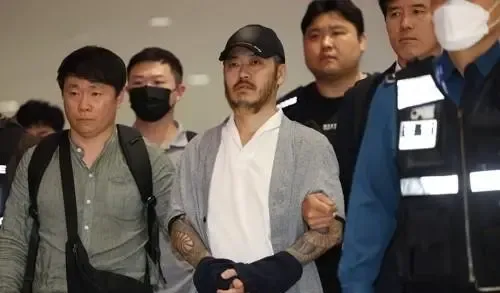
The NOI highlighted two major cross-border operations as emblematic of this year's enforcement drive. In the most prominent case, South Korean authorities repatriated and arrested notorious drug trafficker Park Wang-yeol from the Philippines, where he had been imprisoned on suspicion of killing three South Korean nationals. Investigators linked Park to drugs worth 6.3 billion won (approximately US$4.69 million), including 12.7 kilograms of methamphetamine, as well as criminal proceeds amounting to 8.63 billion won.
In a connected operation, South Korean police worked with Thai authorities to arrest and repatriate Choi Byeong-min, identified as a key drug supplier for Park. The investigation into Choi uncovered 41 additional offences and traced criminal proceeds of 6 billion won, which were seized prior to indictment.
Enforcement Strategy: Targeting Supply at the Source
The NOI said this year's investigative focus has been on disrupting upstream supply — cutting off drug sources and dismantling distribution networks before narcotics reach street-level dealers. This approach contrasts with earlier enforcement cycles that prioritised end-user arrests, which critics have historically argued do little to reduce overall supply.
Notably, the dual repatriations from Southeast Asia signal a broader regional dimension to South Korea's drug problem, with trafficking networks reportedly spanning multiple countries in Southeast Asia.
International Cooperation to Expand
Looking ahead, the NOI announced plans to deepen collaboration with both domestic agencies and foreign counterparts. As part of this effort, the police agency is set to host an international conference on narcotics next month, aimed at expanding coordinated cross-border enforcement. The move comes amid wider regional concern over methamphetamine flows originating from production hubs in Southeast Asia.
With supply-side crackdowns intensifying and international partnerships growing, South Korean authorities are signalling that narcotics enforcement will remain a top policing priority through the remainder of 2026.
Point of View
But the more telling detail is the geographic reach of these operations — repatriations from the Philippines and Thailand point to deeply embedded transnational networks that domestic policing alone cannot dismantle. South Korea's pivot to supply-side enforcement is strategically sound, but its durability depends on sustained diplomatic investment in Southeast Asian partners, many of whom face their own institutional constraints on narcotics cooperation. The medical-drug offence category, up 11.9%, is the quieter alarm: prescription drug misuse tends to lag behind in enforcement focus while growing fastest on the ground. That segment deserves as much scrutiny as the headline methamphetamine numbers.
NationPress
5 Oct 2026
Frequently Asked Questions
How much did drug-related arrests rise in South Korea in 2026?
A total of 9,530 people were arrested for drug-related offences in South Korea between January and August 2026, up 5.3 per cent from the same period in 2025. Arrests specifically for smuggling and manufacturing rose more sharply, climbing 33.8 per cent to 174 individuals.
Who is Park Wang-yeol and why was he arrested?
Park Wang-yeol is a South Korean drug trafficker who had been imprisoned in the Philippines on suspicion of killing three South Korean nationals. South Korean police repatriated and arrested him, linking him to drugs worth 6.3 billion won — including 12.7 kilograms of methamphetamine — and criminal proceeds of 8.63 billion won.
What role did Choi Byeong-min play in the drug network?
Choi Byeong-min was identified as a key drug supplier for Park Wang-yeol. South Korean authorities worked with Thai police to arrest and repatriate him, uncovering 41 additional offences and seizing criminal proceeds worth 6 billion won before indictment.
What is South Korea's enforcement strategy against drugs in 2026?
The National Office of Investigation has focused on cutting off drug supply sources and dismantling distribution networks, rather than primarily targeting end users. This includes cross-border cooperation with countries such as the Philippines and Thailand.
What international steps is South Korea taking on narcotics?
The NOI plans to host an international conference on narcotics next month and expand cooperation with foreign law enforcement agencies. The move is part of a broader effort to coordinate cross-border enforcement against transnational drug trafficking networks.