Is the Australian Government Planning a Major Sale of Defence Properties?
Synopsis
The Australian government has announced an ambitious plan to sell up to 67 historic defence sites, aiming to slash maintenance costs and finance crucial upgrades. This significant move raises questions about the future of defence properties and the implications for public healthcare funding under a new five-year agreement. Stay tuned for the latest updates!
Key Takeaways
67 historic defence sites to be sold for maintenance cost cuts.
Projected revenue of 3 billion AUD and annual savings of 100 million AUD .
New five-year funding deal for public hospitals announced.
Federal government spending 219.6 billion AUD on healthcare.
Continued discussions on elderly care funding.
Canberra, Feb 4 (NationPress) The Australian government revealed plans to divest up to 67 historic defence properties to reduce maintenance expenditures and finance vital upgrades for essential bases.
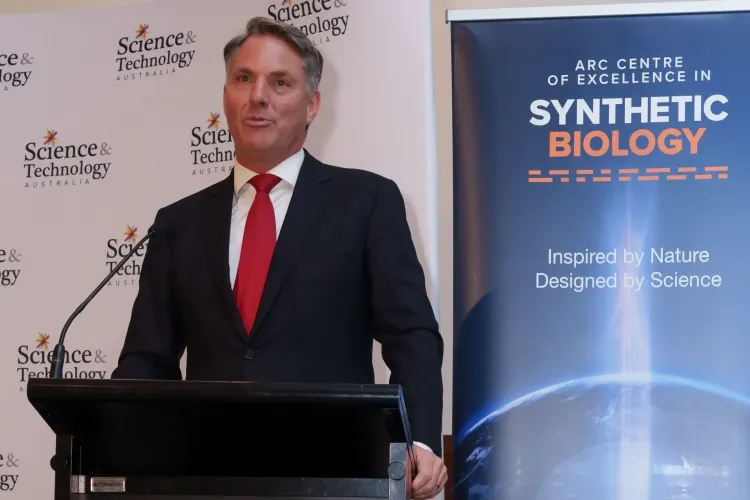
Australia's Minister for Defence and Deputy Prime Minister Richard Marles stated that the government has agreed to all 20 recommendations stemming from an audit of estates owned by the Department of Defence, as reported by Xinhua News Agency.
The independent audit, commissioned in 2023, determined that numerous defence facilities were no longer necessary and that some had already deteriorated beyond economical repair.
It pinpointed 68 sites for potential sale. Marles announced that 64 of these would be entirely divested, with three facing partial divestment and one being retained.
The audit projected that selling these sites could yield up to 3 billion Australian dollars (approximately 2.1 billion US dollars) in revenue and save around 100 million Australian dollars annually in maintenance costs.
However, the government anticipates incurring costs of up to 1.2 billion Australian dollars related to the sales, staff relocations, and contamination remediation.
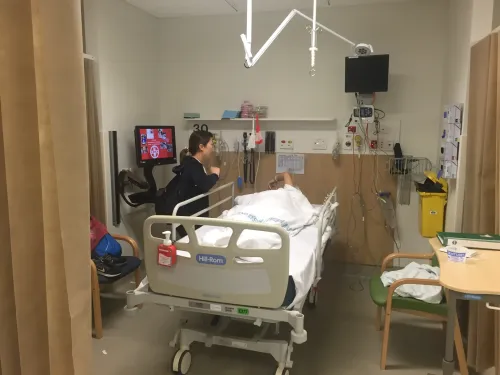
On January 30, the federal, state, and territory governments reached a groundbreaking five-year funding agreement for public hospitals across the nation.
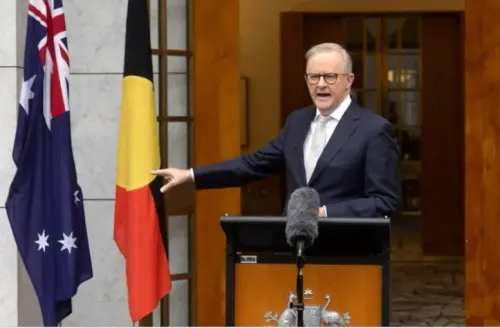
Prime Minister Anthony Albanese announced a historic 219.6 billion Australian dollars (or 153.8 billion US dollars) commitment for public hospitals and health services under a new five-year plan set to commence in July.
Alongside state and territory leaders after the January 30 meeting, Albanese emphasized that this figure includes an additional 25 billion AUD (approximately 17.5 billion USD) from the federal government compared to the prior five-year agreement.
He stated, 'This agreement signifies one of the most substantial national reforms in recent history. These reforms will guarantee Australians continued access to world-class healthcare and disability support.'
This deal concludes lengthy negotiations over the new agreement and paves the way for a one-year extension of the existing 2020-25 deal expiring in June.
In December, states and territories rejected an offer from Albanese and Health Minister Mark Butler for an additional 23 billion AUD (around 16.1 billion USD) in funding, which included 2 billion AUD (about 1.4 billion USD) to manage the rising number of elderly Australians awaiting beds in aged care facilities.
The Australian Medical Association, the peak doctors' organization, welcomed the new agreement but cautioned that the extra funding alone would not halt the decline in hospital performance without further reforms.
Point of View
It's crucial for us to recognize the significance of the Australian government's decision to divest defence properties. While the financial benefits are clear, we must also consider the potential impact on national security and public services. This decision reflects a broader trend in resource management and should be closely monitored to ensure it serves the best interests of the nation.
NationPress
19 Sept 2026
Frequently Asked Questions
What is the reason for selling defence properties?
The Australian government aims to cut maintenance costs and fund essential upgrades by divesting up to 67 historic defence sites.
How much revenue is expected from the sale?
The audit suggests that selling the sites could generate up to 3 billion Australian dollars.
What are the implications for public healthcare?
The government has also reached a significant funding agreement for public hospitals, highlighting the interconnectedness of these initiatives.
Who is overseeing this decision?
The decision is led by Australia's Minister for Defence and Deputy Prime Minister Richard Marles.
What are the potential costs associated with the sale?
The government anticipates costs of up to 1.2 billion Australian dollars related to the sales and other associated expenses.