Awami League's Resurgence: A Step Back into Bangladeshi Politics
Synopsis
The Awami League in Bangladesh is signaling a resurgence as grassroots leaders reopen offices nationwide, raising questions about the party's future and its potential return to mainstream politics.
Key Takeaways
Awami League's revival efforts are evident in the reopening of offices.
The party is attempting to reconnect with grassroots supporters.
Leadership dynamics are crucial for the AL's future.
The relationship with the BNP may affect AL's political re-entry.
Strategic planning and clear policies are essential for a successful comeback.
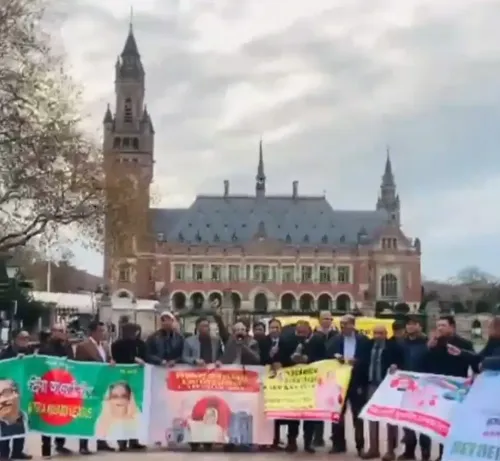
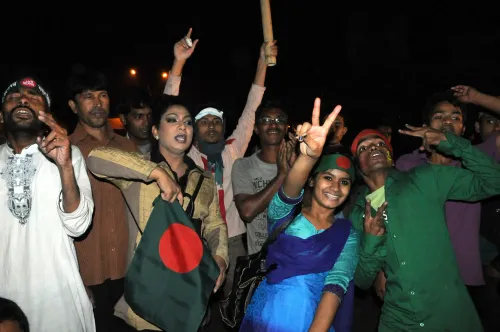
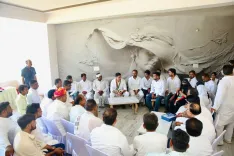
Dhaka, Feb 24 (NationPress) The Awami League (AL) of Bangladesh is exhibiting signs of a political revival, as grassroots leaders and activists have recently reopened offices in multiple districts throughout the nation. They are raising both national and party flags, as well as displaying party posters and banners, without facing any constraints on their activities, according to a report released on Tuesday.
These actions signify much more than just routine formalities; they represent a resurgence of political engagement and convey a “psychological message” to party activists that the AL is on the path to revival.
In an article for the prominent international publication ‘The Diplomat’, Bangladeshi researcher and journalist Purnima Chowhan noted that this has sparked considerable debate within Bangladesh regarding the future of the AL, raising questions about whether the party is gradually re-entering mainstream political life and who might lead this comeback.
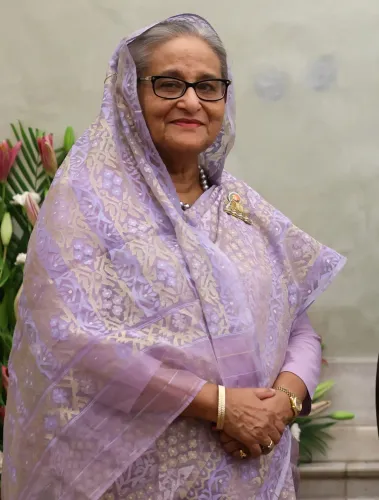
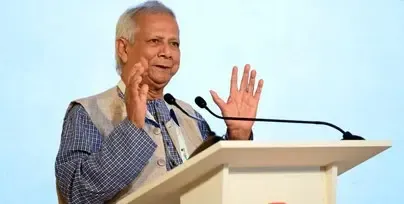
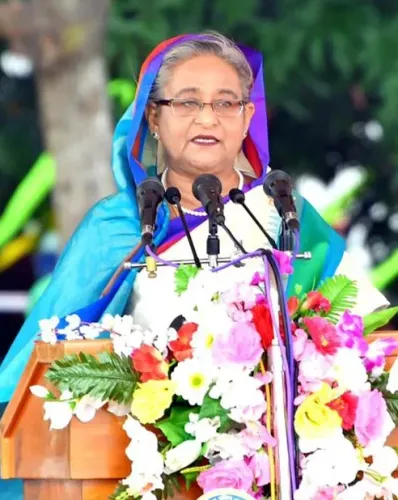
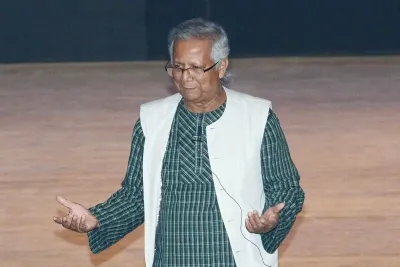
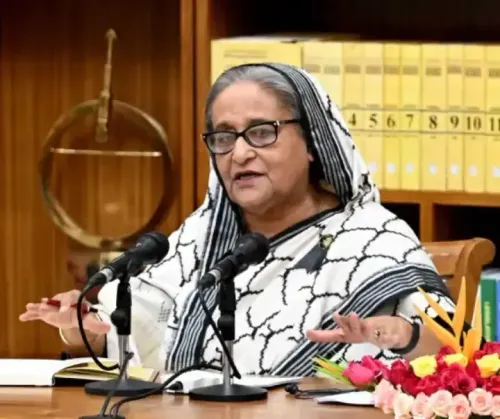
The Awami League, previously led by Former Prime Minister Sheikh Hasina, governed Bangladesh for over 15 years but was banned in May 2025 by the interim government led by Muhammad Yunus, which prevented them from participating in the national elections on February 12.
“The AL encountered numerous obstacles following the removal of its government on August 5, 2024. Beyond the ban, the interim administration initiated a crackdown on its leaders and activists through widespread arrests and legal actions. Neither Hasina nor her son, Sajeeb Wazed Joy, who is viewed as her successor, is currently in the country. Other AL leaders remain in hiding within Bangladesh or have sought refuge abroad. Thus, the revival of the AL’s organization poses a significant challenge,” Chowhan elaborated.
She further raised concerns about whether the Tarique Rahman-led Bangladesh Nationalist Party (BNP) government would permit the AL to reclaim its position in mainstream politics.
The report indicated that in certain constituencies, AL leaders and activists supported and voted for BNP candidates during the national elections.
“Consequently, a connection has been forged with BNP leaders, who appear to have assisted in reopening offices. Some MPs backed by the BNP are advocating for the AL’s return to political participation,” it added.
The critical question, as outlined in the report, is whether the AL is merely striving for survival or genuinely aiming for a political comeback.
Referencing pre-election surveys, it suggested that the AL would have performed reasonably well had it contested the elections, indicating that survival might not be a major hurdle.
“If the party is serious about staging a robust comeback, mere symbolic gestures will not suffice. A well-structured action plan, community-focused policies, engagement with the youth, and clear leadership are imperative. Without visible initiatives, confusion will grow, speculation about alternative leadership will proliferate, and fears of disintegration will arise,” the report emphasized.
“From the AL’s recent initiatives, it remains uncertain whether it is focused on strategic preservation or genuinely seeking a comeback. What is evident, however, is that a new political dynamics is unfolding, with Joy at the center of this transformation,” it concluded.
Point of View
It is essential to recognize the Awami League's attempts to re-establish its political foothold amid significant challenges. The party's grassroots activities suggest a desire for resurgence, yet the broader implications of its relationship with the BNP remain to be fully understood.
NationPress
5 Oct 2026
Frequently Asked Questions
What is the current status of the Awami League?
The Awami League is currently showing signs of revival as grassroots leaders reopen offices across Bangladesh.
Who led the interim government that banned the Awami League?
The interim government that banned the Awami League was led by Muhammad Yunus.
What challenges has the Awami League faced recently?
The Awami League has faced a ban on activities, mass arrests, and the absence of key leaders like Sheikh Hasina and Sajeeb Wazed Joy.
Is the Awami League planning to return to mainstream politics?
Yes, the Awami League is attempting to re-enter mainstream politics, but it faces significant challenges.
What role does the Bangladesh Nationalist Party (BNP) play in this context?
The BNP's current government may influence the Awami League's ability to rejoin political activities.