Baloch Missing Persons Day 2025: Rights groups slam Pakistan's enforced disappearances
Synopsis
On Baloch Missing Persons Day, rights groups painted a damning picture of Pakistan's alleged systematic policy in Balochistan — thousands reportedly disappeared, hundreds returned as bodies. With BSO-Azad, BYC, and BVJ all raising coordinated alarms, the annual observance is becoming a focal point for international accountability pressure on Islamabad.
Key Takeaways
8 June is observed as Baloch Missing Persons Day , formalised by BSO-Azad in 2017 .
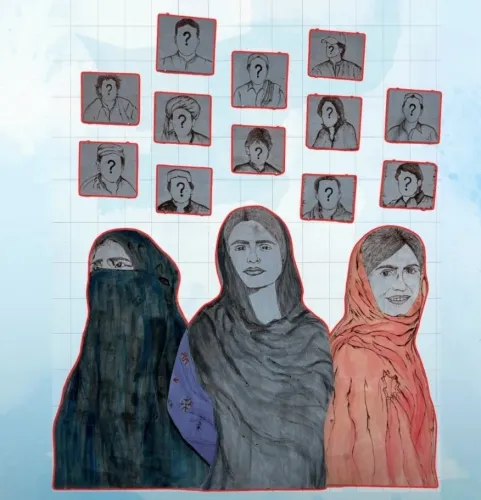
BSO-Azad alleges thousands of Baloch individuals were taken by Pakistani security agencies, with hundreds reportedly returned as dead bodies.
The Baloch Yakjehti Committee (BYC) described enforced disappearances as a 'systematic political policy' rather than isolated incidents.
The Baloch Voice for Justice (BVJ) called for immediate recovery of all disappeared individuals and full accountability.
International rights bodies and UN Special Rapporteurs have previously documented the disappearances, but accountability mechanisms within Pakistan remain largely absent.
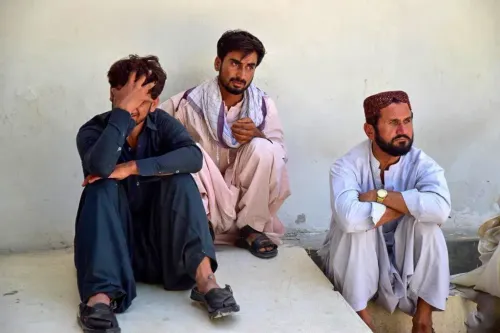
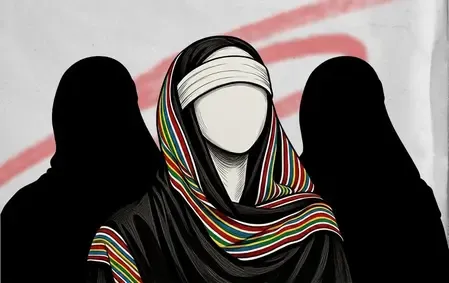
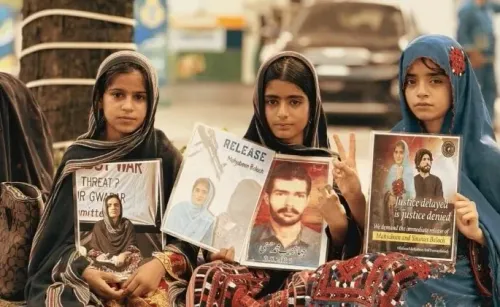
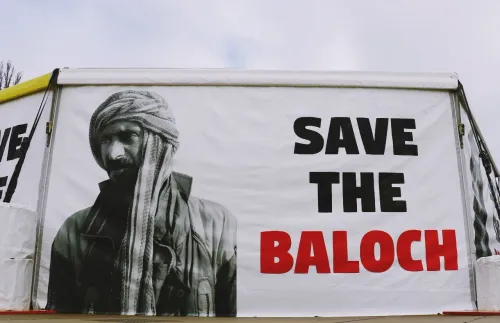
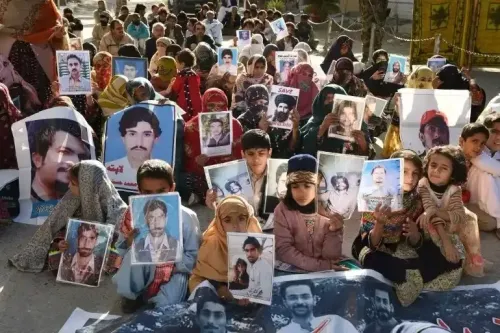
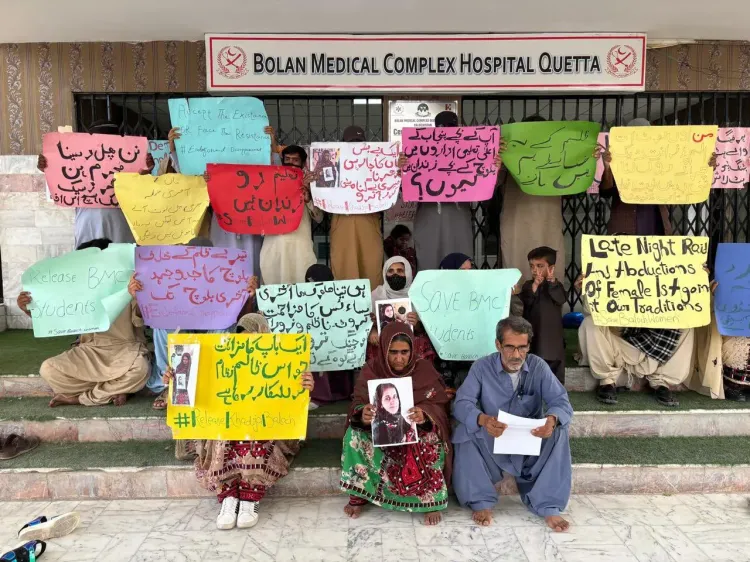
Human rights organisations and activists across Balochistan on 8 June 2025 marked Baloch Missing Persons Day, demanding accountability for thousands of enforced disappearances allegedly carried out by Pakistani security forces. The observance drew sharp condemnations of what rights groups describe as a systematic state policy of arbitrary detention, torture, and extrajudicial killings targeting Baloch civilians.
Origins of Baloch Missing Persons Day
The designation of June 8 as Missing Persons Day in Balochistan was formalised during a central committee meeting of the Baloch Students Organisation-Azad (BSO-Azad) in 2017. The date was chosen to sustain public pressure on Pakistani authorities over what activists describe as a decades-long policy of enforced disappearances. This year's observance comes amid continuing international scrutiny of human rights conditions in the province.
BSO-Azad Documents the Scale of Abuses
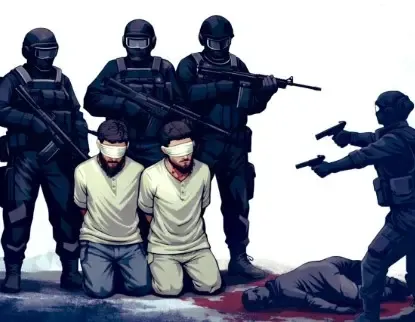
In a post on X, BSO-Azad stated: 'June 8 is the day to remember all the victims of enforced disappearances who were taken away by the security agencies of the Pakistani army. Many of them returned after being tortured severely for some days, some of them remained in custody for months, enduring severe psychological and mental torture by the security agencies. Hundreds of them returned as dead bodies to their families, as the state killed them in fake encounters or extrajudicial target killings.'
The student body added that the number of individuals taken away and later found dead runs into the thousands, while several others have never returned. It urged the public to 'raise our voices for those who are behind torture cells, waiting to see the people stand for them, and inform the world about the atrocities committed by the state of Pakistan.'
Rights Bodies Renew Call for Justice
The Baloch Yakjehti Committee (BYC) described the day as a reminder that 'state coercion is not accidental but a systematic political policy aimed at keeping Balochistan mired in fear, silence, and division.' The BYC called for unified action, stating: '8 June teaches us that silence is not neutrality but complicity with oppression. Today, every individual bears the responsibility to raise their voice against enforced disappearances, stand with affected families, expose state coercion, and challenge this political system built on fear.'
The Baloch Voice for Justice (BVJ) characterised enforced disappearances as a serious violation of fundamental human rights — including the right to liberty, security, and due process — and warned that the continued absence of accountability 'deepens the suffering of affected families and undermines the principles of justice and the rule of law.'
Demands and the Road Ahead
The BVJ reaffirmed its commitment to solidarity with affected families, calling for 'truth, justice, and the immediate recovery of all forcibly disappeared individuals.' Rights groups have consistently urged international bodies, including the United Nations, to press Pakistan for independent investigations. Notably, Balochistan's enforced disappearances have been documented by UN Special Rapporteurs and international watchdogs over multiple years, yet accountability mechanisms within Pakistan remain largely absent. The annual observance is expected to intensify pressure on Islamabad ahead of upcoming UN human rights review cycles.
Point of View
BYC, and BVJ signals a maturing civil society infrastructure in a province where such organising carries serious personal risk. Pakistan has repeatedly denied systematic abuses, but the volume and consistency of documented cases make blanket denial increasingly difficult to sustain before UN review bodies. The real question is whether international diplomatic pressure will move beyond periodic condemnation to enforceable accountability — something that has eluded Baloch rights advocates for over two decades.
NationPress
24 Oct 2026
Frequently Asked Questions
What is Baloch Missing Persons Day?
Baloch Missing Persons Day is observed on 8 June each year to remember victims of enforced disappearances in Balochistan, Pakistan. The date was designated by the Baloch Students Organisation-Azad (BSO-Azad) during a central committee meeting in 2017 to raise awareness about alleged state-sponsored disappearances.
How many people have allegedly been disappeared in Balochistan?
According to BSO-Azad, the number of individuals taken by Pakistani security agencies and later found dead runs into the thousands, while several others have never returned. These figures are contested by Pakistani authorities, and no independent verification has been possible due to restricted access to the province.
Which organisations marked Baloch Missing Persons Day in 2025?
The Baloch Students Organisation-Azad (BSO-Azad), the Baloch Yakjehti Committee (BYC), and the Baloch Voice for Justice (BVJ) were among the groups that marked the day, issuing statements condemning enforced disappearances and calling for justice.
What does Pakistan say about the disappearances in Balochistan?
Pakistani authorities have consistently denied allegations of systematic enforced disappearances, attributing security operations in Balochistan to counter-insurgency needs. Rights groups and UN Special Rapporteurs have documented cases that contradict official denials, though independent access to the region remains restricted.
What are rights groups demanding from Pakistan?
Rights groups are calling for the immediate recovery of all forcibly disappeared individuals, independent investigations, and accountability for perpetrators. The Baloch Voice for Justice has specifically highlighted violations of the right to liberty, security, and due process under international human rights law.