Could 'Innocent People' Be Detained in Balochistan Crackdown?
Synopsis
The situation in Balochistan has escalated, with PML-N leader Rana Sanaullah raising concerns about the potential detention of innocent civilians during security crackdowns. This discussion underscores the ongoing humanitarian and political crisis in the region, as authorities grapple with insurgency and human rights violations.
Key Takeaways
Potential for Innocent Detentions: Security crackdowns may lead to innocent civilians being detained.
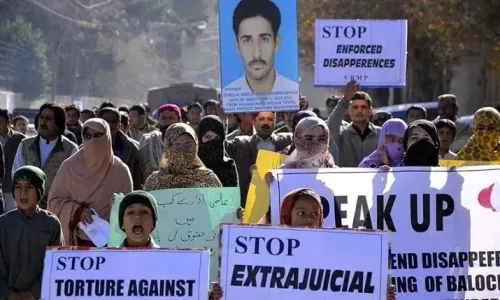
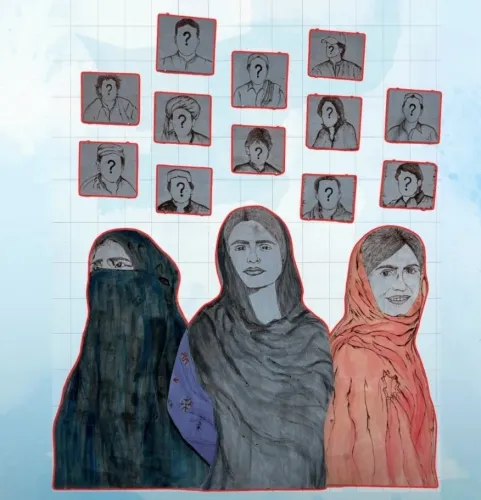
Human Rights Concerns: Ongoing issues include enforced disappearances and unlawful detentions.
Political Engagement Needed: Involving political leaders in solutions is vital for improving the situation.
Historical Context: The Balochistan issue has deep historical and political roots that need to be acknowledged.
Call for Reforms: Significant political reforms and resource allocation are necessary to address long-standing grievances.
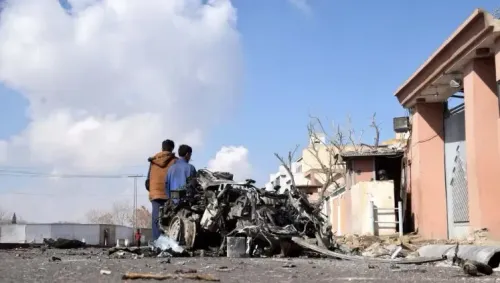
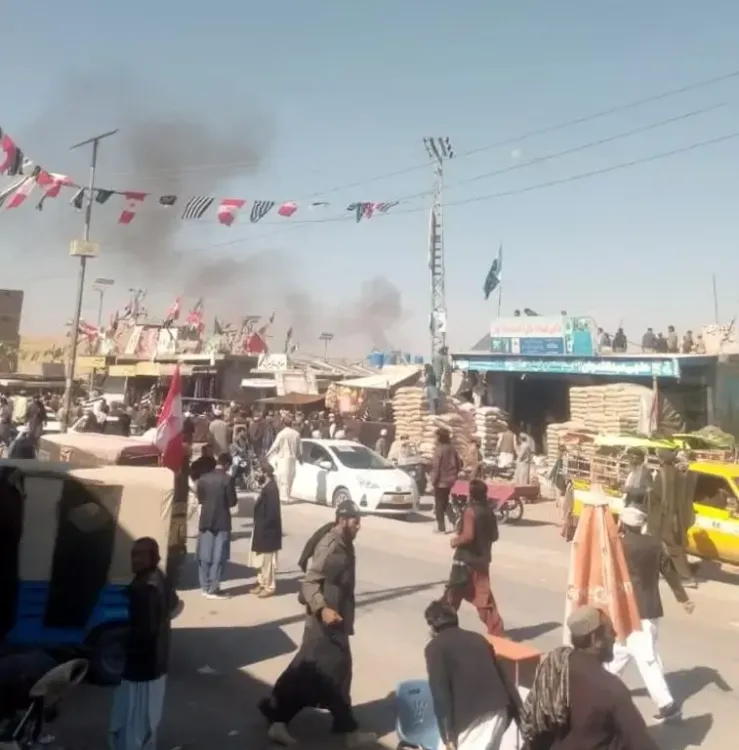
Islamabad, Feb 9 (NationPress) A debate surrounding the current state of affairs in Balochistan became heated after Rana Sanaullah, a leader from the Pakistan Muslim League-Nawaz (PML-N), indicated that innocent civilians might be detained during security operations in reaction to militant incidents, including those occurring across the province on January 31, local media sources reported on Monday.
Following intense confrontations between Baloch insurgents and Pakistani security personnel, authorities in Islamabad commenced a comprehensive crackdown in Balochistan, resulting in the arrest of at least 180 individuals, as per local media reports on Sunday.
According to officials, around 180 individuals were taken into custody during coordinated security operations carried out by the Frontier Corps and police in response to attacks in various cities across Balochistan.
Sanaullah, who also serves as an aide to the Prime Minister, made these comments while participating in a session titled 'Is There a Political Will to Solve the Crisis in Balochistan' at the Asma Jahangir Conference on Sunday.
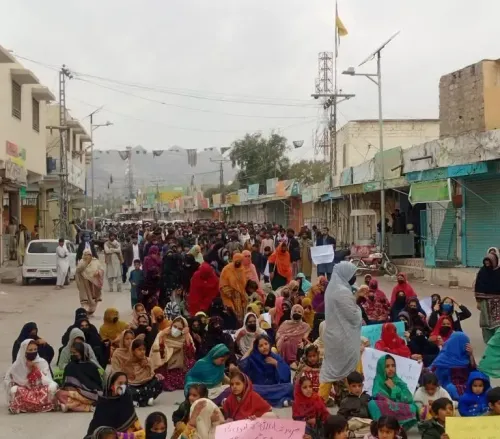
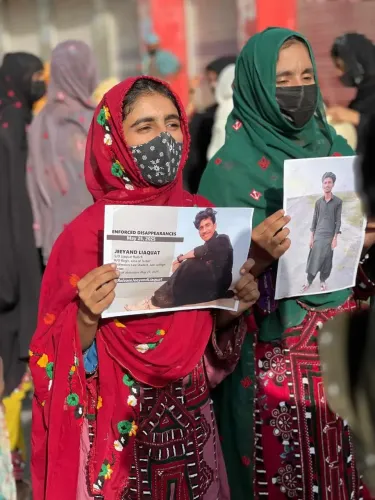
This comes after deadly confrontations between Baloch rebels and Pakistani security forces, amid a significant human rights crisis in Balochistan, characterized by enforced disappearances, unlawful detentions, and extrajudicial killings.
The panel discussion included Balochistan National Party-Mengal (BNP-M) leader Akhtar Mengal and National Party leader Abdul Malik Baloch, with senior journalist Mujahid Barelvi moderating the session.
The controversy arose when Sanaullah addressed concerns expressed by other participants regarding the treatment of individuals from Balochistan and the calls for the removal of security checkpoints throughout the province. He contended that such measures could only be implemented once violence and militancy are fully eliminated, as reported by Pakistani newspaper Dawn.
“If incidents similar to January 31 occur, the security forces will respond, which may lead to the detention of some innocent individuals,” he stated.
Earlier in the session, Abdul Malik Baloch identified insurgency and enforced disappearances as the two most critical challenges facing the province, cautioning that no apparent solutions are on the horizon.
Expressing public distress, he remarked, “Whenever I visit my area, four or five people approach me daily, expressing concern about a missing person.”
He urged both the state and political leadership to formulate a comprehensive strategy to tackle these issues, according to Dawn.
Emphasizing the need for political dialogue, he noted, “If Balochistan is treated solely as a security issue, conditions will worsen daily. Involving political entities and parties may lead to improvement.”
Recalling his time in the Pakistan Democratic Movement alliance, Baloch mentioned that the coalition had agreed on several reforms, including measures to end enforced disappearances, as reported by local media.
He called for significant political reforms, resource allocation to the province, and the protection of constitutional guarantees such as the 1972 Constitution, the 18th Amendment, and the National Finance Commission Award.
Beginning the discussion, BNP-M chief Akhtar Mengal characterized the Balochistan issue as fundamentally political, asserting that successive governments have sought military solutions. He warned that continued reliance on coercive methods could exacerbate tensions in the region.
Mengal traced the historical context of the issue, referencing the initial agreement between the Khan of Kalat and Pakistan’s founding leader, Quaid-i-Azam Muhammad Ali Jinnah, which promised substantial administrative autonomy for Balochistan.
He lamented that such commitments and subsequent agreements were never fully realized.
Mengal recounted earlier conflicts, including military operations under various regimes, the assassination of Baloch leader Nawaz Akbar Bugti, and the ongoing issue of enforced disappearances, which he indicated has profoundly impacted families throughout the province, including his own.
He criticized recent political and electoral developments, alleging that mainstream Baloch political leaders have been sidelined. Additionally, he expressed concerns over restrictions on political activities, media freedom, and civil liberties within the region.
Mengal also mentioned the imprisonment of human rights attorney Imaan Mazari-Hazir and her spouse Hadi Ali Chattha, claiming they were incarcerated for 17 years due to a social media post.
Meanwhile, the Balochistan government on Tuesday indicated potential legal actions against relatives of individuals suspected of involvement in armed activities, a move that has garnered attention amid an already tense environment in the province.
Human rights organizations and local activists have repeatedly voiced concerns regarding such actions, noting that similar occurrences have been documented previously.
They have highlighted cases where relatives of individuals accused of participating in Baloch armed groups were allegedly detained or forcibly disappeared, particularly in connection with suicide attacks.
Reports have emerged in recent years concerning relatives of commanders and members linked to the Baloch pro-independence group Baloch Liberation Army, according to The Balochistan Post.
One notable case involves the brother of BLA leader Bashir Zeb, who was reported missing last year after allegedly being taken from Quetta, where he was employed. Authorities have yet to release any public statement about the incident.
Point of View
It is essential to acknowledge the sensitive nature of the situation in Balochistan. The concerns raised regarding the potential detainment of innocent individuals highlight the complex intersection of security and human rights in the region. It is crucial for the state to navigate these challenges with care, ensuring that measures taken to combat militancy do not infringe upon the rights of civilians.
NationPress
6 Oct 2026
Frequently Asked Questions
What is the current situation in Balochistan?
The situation in Balochistan is tense, with recent security crackdowns leading to the detention of numerous individuals, raising concerns about potential violations of human rights.
Who is Rana Sanaullah?
Rana Sanaullah is a leader of the Pakistan Muslim League-Nawaz (PML-N) and an aide to the Prime Minister, known for addressing political and security issues in Pakistan.
How many arrests have been made in Balochistan recently?
Authorities have reported the arrest of at least 180 individuals during recent security operations in Balochistan.
What are the main challenges in Balochistan?
The main challenges include insurgency, enforced disappearances, and human rights violations, which continue to affect the local population.
What are the calls for political solutions in Balochistan?
Leaders in Balochistan are urging the government to engage politically and adopt comprehensive strategies to address the region's issues rather than relying solely on military measures.