Balochistan pylons blown up: 220kV line cut, Quetta power hit
Synopsis
Armed men targeted six power transmission towers near the Uch Power Plant in Balochistan, destroying two 220kV pylons and cutting electricity to Quetta and Sibi — the latest in a string of escalating attacks on infrastructure and police in Pakistan's most restive province, coming just days after nine officers were killed in Ziarat.
Key Takeaways
Unknown armed men blew up two 220kV transmission pylons near the Uch Power Plant in Dera Murad Jamali , Balochistan, on 14 July .
Explosive devices were planted on six towers ; two were destroyed, two partially damaged, and devices on the remaining two were defused by the bomb disposal squad.
The Quetta Electric Supply Company (Qesco) confirmed suspension of the 220kV line, affecting Quetta , Sibi , and several other areas.
On 6 July , armed assailants killed at least nine police personnel , including two SHOs , in a separate attack on a police post in Ziarat district .
The whereabouts of five police personnel from the Ziarat attack remained unknown, with search operations ongoing.
Attacks on law enforcement and critical infrastructure have been rising across Balochistan and Khyber Pakhtunkhwa .
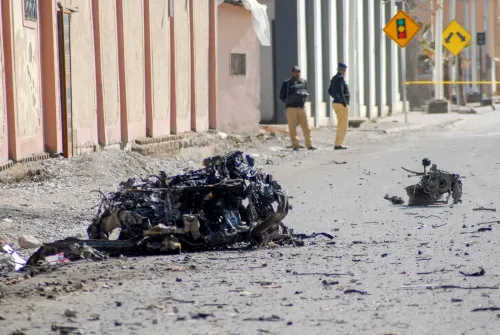
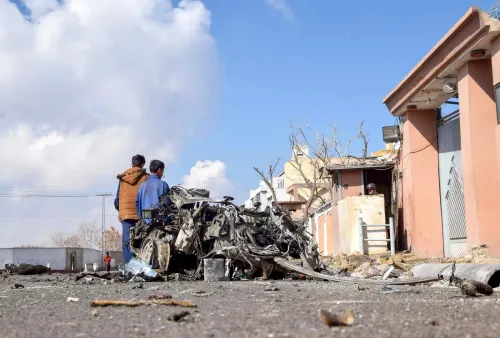
Unknown armed men blew up two 220kV high-voltage transmission pylons near the Uch Power Plant in Dera Murad Jamali, Balochistan, on the night of 14 July, disrupting electricity supply to Quetta, Sibi, and several other parts of the province, according to local media reports. Two additional pylons were left partially damaged in the attack, which falls within the jurisdiction of the Notal Police Station.
How the Attack Unfolded
According to police, explosive devices were planted on six transmission towers that carry power from the Uch Power Plant to Quetta and Sibi. Two pylons were completely destroyed, while two others sustained partial damage. The bomb disposal squad successfully defused the devices planted on the remaining two towers, preventing further destruction.
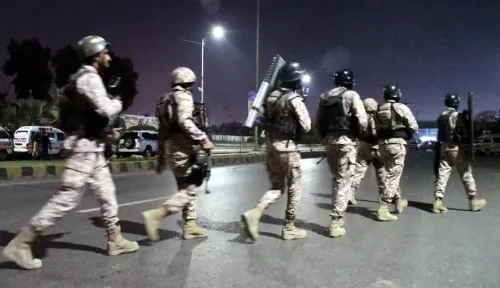
The area was swiftly cordoned off by Police and Frontier Corps personnel. A spokesman for the Quetta Electric Supply Company (Qesco) confirmed that the 220kV transmission line from the Uch Power Plant had been suspended, affecting Quetta, Sibi, and adjoining areas.
Impact on Electricity Supply
The suspension of the high-voltage line has left large parts of Balochistan without power. Quetta, the provincial capital, and the city of Sibi are among the most affected. Restoration timelines have not been officially confirmed, and repair work on high-voltage infrastructure of this scale typically requires several days under normal conditions — a timeline that security constraints in the region could extend further.
Pattern of Rising Violence in Balochistan
The infrastructure attack comes just days after a deadly assault on law enforcement in the same province. On the night of 6 July, armed assailants targeted a police post in Ziarat district, killing at least nine police personnel, including two Station House Officers (SHOs), according to local media citing sources. A gunfight erupted before the assailants reportedly breached the premises.
Ziarat Deputy Commissioner Abdul Qudoos Achakzai confirmed the casualty figures and noted that the whereabouts of five police personnel remained unknown at the time. Additional forces were dispatched to the site to conduct search operations.
Broader Security Context
Attacks on both critical infrastructure and law enforcement personnel have been rising in Pakistan's border provinces of Balochistan and Khyber Pakhtunkhwa. Targeting power pylons is a tactic that has been used previously to destabilise provincial services and signal the reach of armed groups operating in the region. No group has been officially named in connection with the 14 July pylon attack, and investigations are ongoing, according to reports.
The back-to-back incidents underscore the deepening security challenge facing Pakistani authorities in Balochistan, where militant activity has intensified in recent months.
Point of View
Making this attack more than symbolic. Coming within a week of the Ziarat police post massacre, the back-to-back incidents suggest a coordinated pressure campaign rather than isolated incidents. Pakistani security forces in Balochistan are visibly stretched, and the pattern of attacks — infrastructure one week, police the next — is consistent with a strategy designed to erode both state capacity and public confidence simultaneously.
NationPress
13 Oct 2026
Frequently Asked Questions
What happened to the Balochistan power pylons on 14 July?
Unknown armed men blew up two 220kV high-voltage transmission pylons near the Uch Power Plant in Dera Murad Jamali, Balochistan, on the night of 14 July. Two additional pylons were partially damaged, and the attack disrupted electricity supply to Quetta, Sibi, and other parts of the province.
Which areas lost power after the Balochistan pylon attack?
The suspension of the 220kV transmission line from the Uch Power Plant cut power to Quetta, the provincial capital, and Sibi, along with several other areas in Balochistan. The Quetta Electric Supply Company (Qesco) officially confirmed the disruption.
How many transmission towers were targeted and what was the outcome?
Explosive devices were planted on six transmission towers in total. Two pylons were completely destroyed, two were partially damaged, and the bomb disposal squad successfully defused devices on the remaining two towers.
What was the Ziarat police post attack earlier in July?
On the night of 6 July, armed assailants attacked a police post in Ziarat district, Balochistan, killing at least nine police personnel including two Station House Officers. Ziarat Deputy Commissioner Abdul Qudoos Achakzai confirmed the casualties, and five officers remained unaccounted for as search operations continued.
Is there a broader pattern of violence in Balochistan?
Yes. Attacks on both law enforcement and critical infrastructure have been increasing in Balochistan and Khyber Pakhtunkhwa. The pylon bombing and the Ziarat police attack, occurring within days of each other, reflect an intensifying security challenge for Pakistani authorities in the region.