Khuzdar Digital Library closure: Balochistan students forced to study on roadside
Synopsis
Students in Balochistan's Khuzdar district are studying on roadsides after authorities shut a Digital Library following a peaceful protest. The incident lays bare Pakistan's education crisis — where over 25 million children are out of school and Balochistan, its most structurally disadvantaged province, sees children travel up to 360 kilometres just to reach secondary school.
Key Takeaways
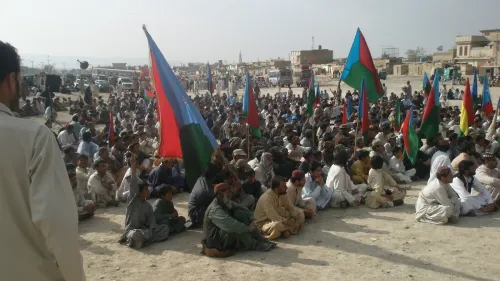
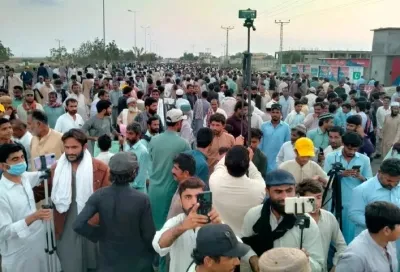
Students in Khuzdar district , Balochistan , staged a peaceful march on 31 July against the closure of a Digital Library by local authorities.
Following the protest, the district administration reportedly locked the library's main entrance and some participants were allegedly mistreated.
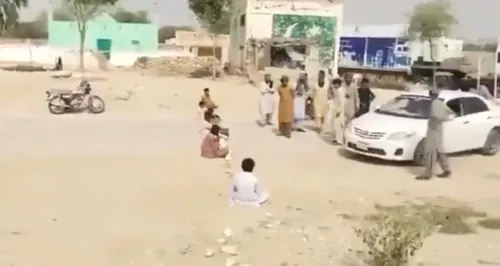
Students were compelled to study along the roadside outside the shuttered building, describing the situation as 'extremely regrettable.' The Baloch Voice for Justice (BVJ) condemned the closure, saying it was 'an attack on students' right to education.' Pakistan has over 25 million children out of school, two years after declaring a National Education Emergency .
Balochistan's out-of-school rate dropped from 69% in 2023 to 45% in 2025 , yet children still travel up to 360 kilometres for secondary education.
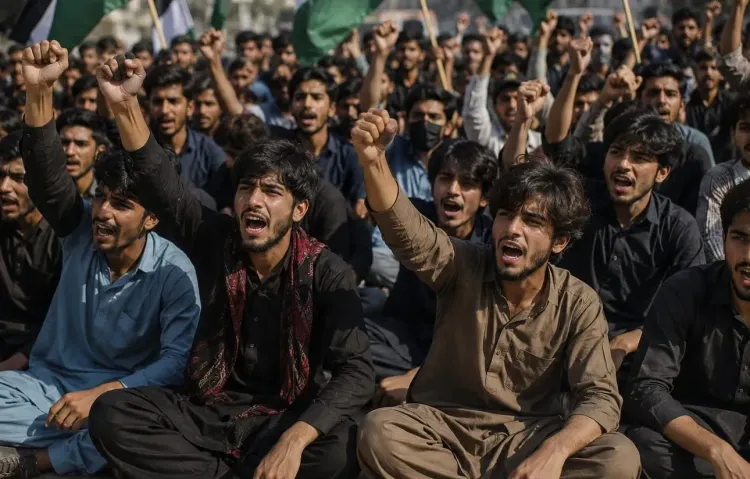
Students in Khuzdar district, Balochistan, staged a peaceful march on 31 July against the closure of a Digital Library by local Pakistani authorities, alleging the shutdown had severely disrupted their education and left them with no recourse but to study along the roadside outside the shuttered building. The protest drew students, teachers, and local residents united in demanding the restoration of their fundamental educational rights.
What Happened at the Library
According to local media reports, the district administration locked the library's main entrance following the march. Several participants reportedly alleged they were mistreated during the demonstration. Students described the situation of being compelled to study on the roadside as 'extremely regrettable and concerning', and maintained that their campaign remained entirely peaceful throughout.
'Our only demand is the protection of our legitimate and fundamental educational rights,' the students said in a statement.
Demands and Warning of Escalation
The protesters formally called upon the Balochistan Chief Minister, the Commissioner of Kalat Division, and other relevant authorities to intervene and ensure the uninterrupted resumption of educational activities at the library. They warned that if their demands were not addressed, they would escalate to a highway protest — and held the district administration responsible for any consequences arising from the continued closure.
Civil Society Condemns the Closure
The Baloch Voice for Justice (BVJ) issued a sharp condemnation, calling the eviction of students from the Khuzdar Library 'a deeply alarming decision.' In its statement, the organisation said: 'Hundreds of students rely on this public library for studying, exam preparation, research, and academic learning. Denying them access to this vital educational space is an attack on students' right to education. We stand in solidarity with the students of Khuzdar.'
The Broader Education Crisis in Pakistan and Balochistan
This protest comes amid a deteriorating education landscape across Pakistan, and particularly in Balochistan, where inadequate infrastructure and limited access to learning facilities continue to undermine students' rights. A recent report noted that, two years after Pakistan declared a National Education Emergency, the country still grapples with one of the world's worst education crises — with over 25 million children remaining out of school.
According to a comprehensive comparative policy review prepared by the Civil Services Academy (CSA) and cited in leading Pakistani daily The News International, weak governance structures, fragmented administrative systems, insufficient funding, poor data integration, and provincial disparities continue to impede progress. Balochistan has been identified as the most structurally disadvantaged province in the review. Despite a reported decline in out-of-school rates from 69% in 2023 to 45% in 2025, deep infrastructural gaps persist. The province's vast geography means children often travel up to 30 kilometres for primary schooling and as far as 360 kilometres for secondary education — making regular attendance largely unfeasible across large parts of the region.
The Khuzdar library closure, however localised, is emblematic of a systemic failure to protect educational access in one of Pakistan's most underserved provinces. With students now studying on roadsides, the incident has drawn attention to the gap between policy declarations and ground-level implementation.
Point of View
In Balochistan, the state's relationship with education is not merely one of neglect but occasionally of active obstruction — shutting a facility in direct response to students demanding it stay open. Pakistan's National Education Emergency declaration has produced little structural change; with 25 million children still out of school and Balochistan's geography making attendance nearly impossible for millions more, the gap between policy rhetoric and lived reality has never been wider. The real question is not whether authorities will reopen one library, but whether the federal and provincial governments have the administrative will to treat education access as a non-negotiable right rather than a discretionary service.
NationPress
14 Sept 2026
Frequently Asked Questions
Why was the Digital Library in Khuzdar, Balochistan closed?
Local media reports indicate that the district administration locked the main entrance of the Khuzdar Digital Library following a peaceful student protest march on 31 July. Authorities have not issued a formal public explanation for the closure, according to available reports.
What are the students demanding?
The students are demanding the immediate reopening of the Khuzdar Digital Library and the protection of their fundamental educational rights. They have called on the Balochistan Chief Minister and the Commissioner of Kalat Division to intervene, warning of a highway protest if the library remains shut.
How bad is Pakistan's education crisis in 2025?
Pakistan continues to face one of the world's worst education crises, with over 25 million children still out of school — two years after the government declared a National Education Emergency. Weak governance, insufficient funding, and provincial disparities have hampered progress, according to a policy review by the Civil Services Academy.
Why is Balochistan particularly affected by the education crisis?
Balochistan has been identified as Pakistan's most structurally disadvantaged province for education. Its vast geography means children often travel up to 30 kilometres for primary schooling and up to 360 kilometres for secondary education, making regular attendance unfeasible in many areas. Out-of-school rates dropped from 69% in 2023 to 45% in 2025, but deep infrastructural gaps remain.
What did the Baloch Voice for Justice say about the library closure?
The Baloch Voice for Justice (BVJ) condemned the closure as 'a deeply alarming decision,' stating that hundreds of students rely on the Khuzdar Library for studying, exam preparation, and research. The organisation described the denial of access as 'an attack on students' right to education' and expressed solidarity with the affected students.