Balochistan shutter strike over life terms for Mahrang Baloch, 3 activists
Synopsis
A Pakistani anti-terrorism court sentenced BYC leader Mahrang Baloch and three other activists to life imprisonment following a closed-door trial inside Quetta jail — a verdict Amnesty International says presented no direct evidence of violence. The resulting shutter strike across Balochistan signals that the convictions have galvanised, rather than silenced, public opposition.
Key Takeaways
A Pakistani Anti-Terrorism Court on 23 June sentenced Mahrang Baloch and three other activists to life imprisonment over the killing of a Frontier Corps official.
The other convicted activists are BSO Chairman Balach Qadir , Abu Bakr Kalanchi , and BYC leader Sibghatullah Shah Jee .
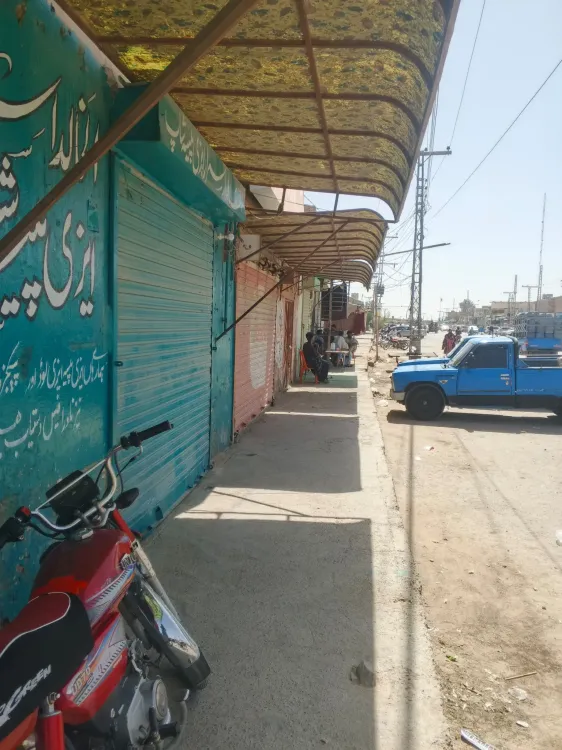
A shutter-down strike was observed across several regions of Balochistan on 24 June in protest against the verdict.
Amnesty International stated that 'no direct evidence was presented' linking Mahrang Baloch and Shah Jee to the alleged violence.
The BYC described the trial as a 'faceless trial' conducted in closed-door proceedings inside Quetta jail.
The International Human Rights Foundation (IHRF) called the verdict a 'politically motivated weaponisation of the judicial system.'
A near-total shutter-down strike gripped several regions of Balochistan on Wednesday, 24 June, as residents protested the life imprisonment sentences handed to four Baloch activists — including prominent Baloch Yakjehti Committee (BYC) leader Mahrang Baloch — by a Pakistani anti-terrorism court. The verdict, described widely as 'unfair,' has drawn sharp condemnation from international human rights organisations.
The Verdict That Triggered the Strike
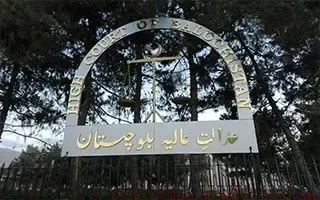
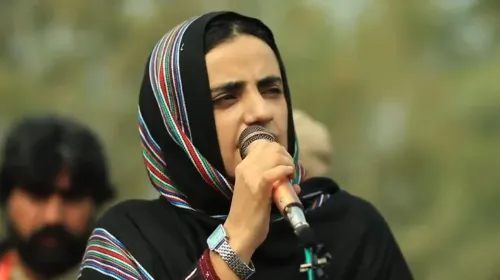
A Pakistani Anti-Terrorism Court on Monday, 23 June, sentenced four activists to life imprisonment in connection with a case relating to the killing of a Frontier Corps official, according to local media reports. Alongside Mahrang Baloch, the court convicted Baloch Students Organisation (BSO) Chairman Balach Qadir, central leader Abu Bakr Kalanchi, and BYC leader Sibghatullah Shah Jee.
BYC Calls It Political Victimisation
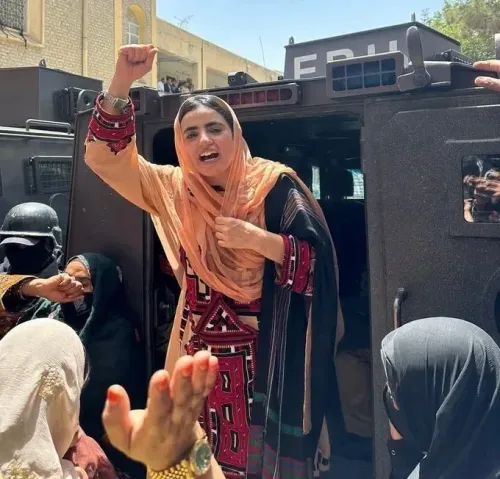
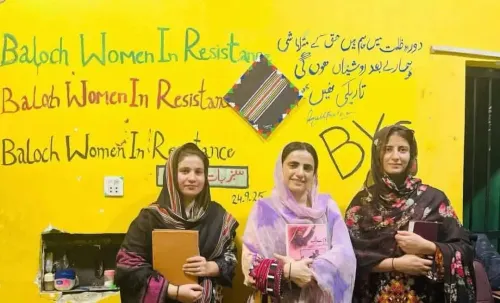
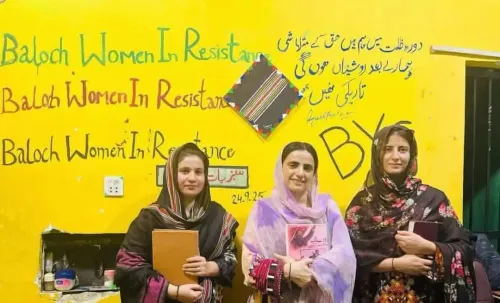
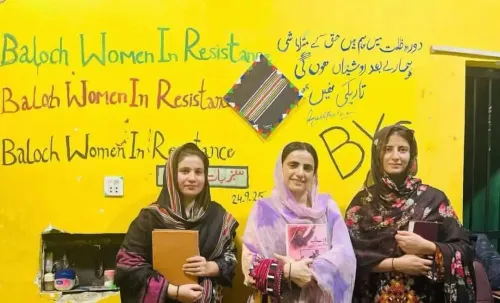
The BYC shared images of the complete shutdown across various parts of Balochistan on its X handle, characterising the strike as a collective act of defiance. 'The strike reflected the collective rejection of repression, political victimisation, and the misuse of judicial processes. People from different walks of life expressed their solidarity and sent a clear message that Balochistan will continue to stand against injustice and the suppression of democratic voices,' the organisation said.
The BYC further alleged that the state prosecution brought 'baseless' charges against the convicted leaders and that the trial lacked essential 'judicial transparency.' It described the closed-door proceedings conducted inside Quetta jail as a 'faceless trial' — a tactic, it argued, to silence political voices in the province.
International Human Rights Condemnation
Amnesty International's Acting Regional Director for South Asia, Isabelle Lassee, condemned the ruling in unambiguous terms. 'This verdict, which is an affront to the right to a fair trial, demonstrates how Pakistan's anti-terrorism laws are being cynically misused to silence peaceful dissent. The conviction and sentence followed an expedited secret trial conducted on jail premises, during which serious concerns were raised over international fair trial standards and due process. No direct evidence was presented linking Mahrang and Shah Jee to the alleged violence,' she said.
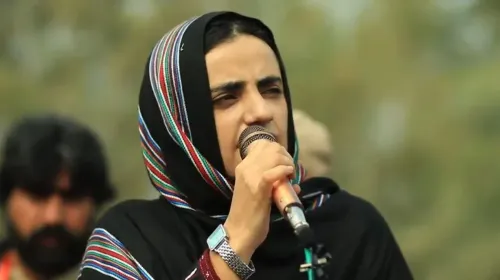
The International Human Rights Foundation (IHRF) also sharply criticised the ruling, calling it a 'politically motivated weaponisation of the judicial system' to silence dissent and intimidate human rights defenders. 'This verdict is a blatant miscarriage of justice and a devastating blow to the rule of law in Pakistan,' the IHRF stated, describing Mahrang Baloch as 'a fearless and peaceful voice for the Baloch people, courageously campaigning against enforced disappearances, extrajudicial killings, and state repression in Balochistan.'
Broader Context
The sentencing comes against a backdrop of longstanding tensions in Balochistan, where activists and rights groups have for years alleged enforced disappearances, extrajudicial killings, and suppression of political dissent. Critics argue that Pakistan's anti-terrorism legislation has repeatedly been deployed against civilian protesters and rights advocates rather than armed combatants. This is not the first time a BYC-affiliated leader has faced legal action — the organisation has been at the forefront of protests demanding accountability for missing persons in the province.
As the shutdown demonstrated broad public support across Balochistan, pressure is expected to mount on Islamabad from international rights bodies to review the convictions and ensure compliance with fair trial standards.
Point of View
The sentences risk becoming a long-term diplomatic liability — particularly as Islamabad seeks engagement with Western partners who have made human rights a stated condition of deeper ties. The shutter strike also signals that repression here is consolidating, not fragmenting, opposition.
NationPress
23 Sept 2026
Frequently Asked Questions
Who is Mahrang Baloch and why was she sentenced?
Mahrang Baloch is the leader of the Baloch Yakjehti Committee (BYC), a prominent rights organisation in Balochistan. A Pakistani Anti-Terrorism Court sentenced her to life imprisonment on 23 June in connection with a case relating to the killing of a Frontier Corps official, though Amnesty International stated that no direct evidence was presented linking her to the alleged violence.
What triggered the shutter-down strike in Balochistan?
The shutter-down strike on 24 June was triggered by the life imprisonment sentences handed to four Baloch activists, including BYC leader Mahrang Baloch, by a Pakistani anti-terrorism court. Residents across several regions of Balochistan shuttered their businesses in protest, describing the verdict as unfair.
What did Amnesty International say about the verdict?
Amnesty International's Acting Regional Director for South Asia, Isabelle Lassee, said the verdict was 'an affront to the right to a fair trial' and that Pakistan's anti-terrorism laws were being 'cynically misused to silence peaceful dissent.' She noted the trial was expedited, held in secret on jail premises, and that no direct evidence linked two of the accused to the alleged violence.
Who else was sentenced alongside Mahrang Baloch?
Three other activists received life sentences alongside Mahrang Baloch: BSO Chairman Balach Qadir, central leader Abu Bakr Kalanchi, and BYC leader Sibghatullah Shah Jee. All four were convicted in connection with the same case involving the killing of a Frontier Corps official.
What is the Baloch Yakjehti Committee (BYC)?
The Baloch Yakjehti Committee (BYC) is a civil society organisation in Balochistan that campaigns against enforced disappearances, extrajudicial killings, and state repression in the province. It has been at the forefront of protests demanding accountability for missing persons and has faced repeated legal pressure from Pakistani authorities.