UN expert urges Pakistan to overturn Baloch leaders' life sentences
Synopsis
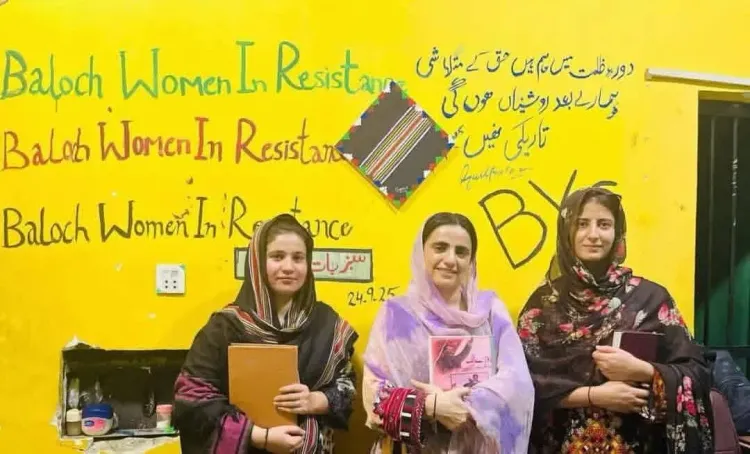
A UN Special Rapporteur has publicly called on Pakistan's judiciary to reverse life sentences handed to Baloch Yakjehti Committee leaders Mahrang Baloch and Sibghatullah Shahji — convicted in a reportedly secret trial. With international rights bodies, the Baloch American Congress, and now the UN all weighing in, the case is fast becoming a major test of Pakistan's accountability on civil liberties.
Key Takeaways
UN Special Rapporteur Andrea Bolanos Vargas has urged Pakistan's superior judiciary to overturn life sentences against BYC leaders Mahrang Baloch and Sibghatullah Shahji .
A Pakistani Anti-Terrorism Court in Quetta sentenced four activists to life imprisonment, reportedly in a secret trial.
The rapporteur cited violations including denial of fair trial, abuse of antiterrorism laws, criminalisation of peaceful assembly, and double punishment.
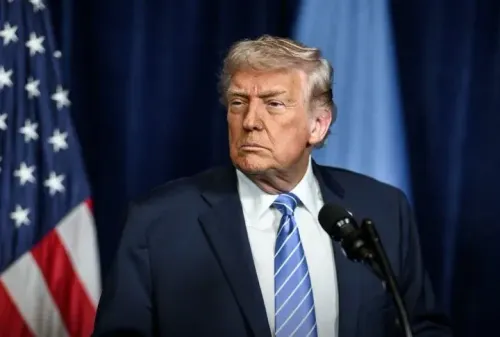
Baloch American Congress President Tara Chand wrote to US President Donald Trump on Tuesday urging intervention.
Multiple human rights organisations condemned the ruling as a 'blatant miscarriage of justice.'
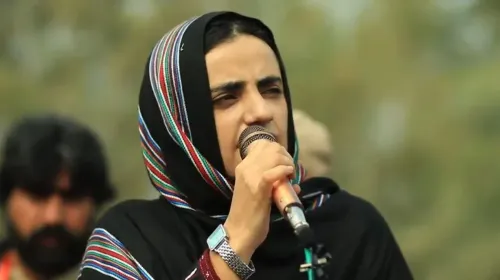
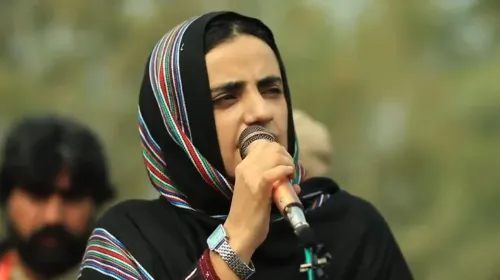
UN Special Rapporteur on human rights defenders Andrea Bolanos Vargas has called on Pakistan's superior judiciary to overturn what she described as 'unjust convictions' handed to Baloch Yakjehti Committee (BYC) leaders Mahrang Baloch and Sibghatullah Shahji by an Anti-Terrorism Court in Quetta. The sentences, issued following a case linked to the killing of a Frontier Corps official, have drawn sharp condemnation from international human rights bodies.
What the Court Decided
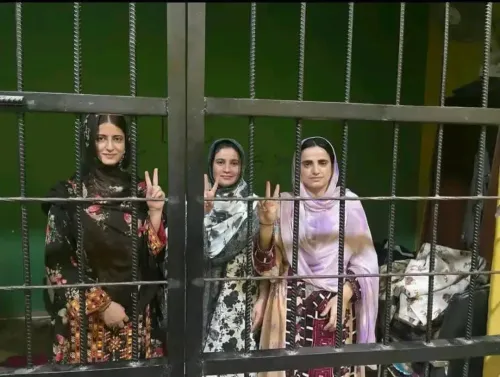
A Pakistani Anti-Terrorism Court on Monday sentenced four activists to life imprisonment, according to local media reports. Alongside Mahrang Baloch, the court convicted Baloch Students Organisation (BSO) Chairman Balach Qadir, central leader Abu Bakr Kalanchi, and BYC leader Sibghatullah Shahji. The trial was reportedly conducted in secret, a detail that has drawn particular scrutiny from rights observers.
What the UN Rapporteur Said
Vargas, posting on X, outlined multiple alleged violations during the proceedings: denial of fair trial and due process, abuse of antiterrorism laws, criminalisation of peaceful assembly, and double punishment for the same act. 'I express grave concern regarding life sentences imposed on WHRD Mahrang Baloch and Sibghatullah Shah, leaders of the Baloch Yakjehti Committee, by the Anti-Terrorism Court in Quetta in a secret trial,' she wrote, adding: 'I urge the superior judiciary to overturn manifestly unjust convictions.'
Appeal to the US Government
On Tuesday, Tara Chand, President of the Baloch American Congress, wrote to US President Donald Trump urging intervention. In his letter, Chand described Mahrang Baloch as someone who 'has dedicated her life to peacefully raising awareness about enforced disappearances, extrajudicial killings, and human rights violations in Balochistan.' He argued the verdict 'raises serious concerns regarding due process, freedom of expression, and the rights of peaceful political activists.' Chand also noted that 'many families are still searching for loved ones who have disappeared, while those who peacefully demand justice often face intimidation and imprisonment.'
Broader Human Rights Context
Several leading human rights organisations also condemned the ruling, describing it as an 'affront to fair trial' and a 'blatant miscarriage of justice.' This comes amid longstanding international concern over the situation in Balochistan, where rights groups have documented enforced disappearances, extrajudicial killings, and suppression of political dissent. Critics argue that Pakistan's antiterrorism legislation has repeatedly been deployed against peaceful activists, a pattern the UN rapporteur's statement appears to reinforce.
What Happens Next
The UN rapporteur's public call places pressure on Pakistan's superior courts — including the Supreme Court — to review the convictions on appeal. Whether Islamabad responds to international pressure or defends the court's findings will be closely watched by rights bodies and diaspora groups alike. The case is expected to remain a flashpoint in debates over civil liberties in Balochistan.
Point of View
Not an aberration — and the Mahrang Baloch conviction is its starkest recent expression. A secret trial, a life sentence, and a UN rapporteur's public rebuke form a combination that Islamabad will struggle to dismiss as external interference. The harder question is whether Pakistan's superior courts, which have periodically pushed back on executive overreach, will act — or whether international pressure dissipates before any appeal is heard. The Balochistan file has a way of disappearing from global attention quickly, which is precisely what Islamabad tends to rely on.
NationPress
24 Sept 2026
Frequently Asked Questions
Why were Mahrang Baloch and other BYC leaders sentenced to life imprisonment?
A Pakistani Anti-Terrorism Court in Quetta sentenced Mahrang Baloch and three other activists to life imprisonment in connection with a case linked to the killing of a Frontier Corps official, according to local media reports. The trial was reportedly conducted in secret, and the UN Special Rapporteur has cited multiple due process violations.
What did the UN Special Rapporteur say about the convictions?
UN Special Rapporteur Andrea Bolanos Vargas expressed grave concern, citing denial of fair trial, abuse of antiterrorism laws, criminalisation of peaceful assembly, and double punishment for the same act. She publicly urged Pakistan's superior judiciary to overturn what she called 'manifestly unjust convictions.'
Who else has condemned the sentencing of Mahrang Baloch?
The Baloch American Congress President Tara Chand wrote to US President Donald Trump urging intervention, while several leading human rights organisations described the ruling as an 'affront to fair trial' and a 'blatant miscarriage of justice.'
Who are the other activists sentenced alongside Mahrang Baloch?
Alongside Mahrang Baloch, the court sentenced Baloch Students Organisation Chairman Balach Qadir, central leader Abu Bakr Kalanchi, and BYC leader Sibghatullah Shahji — all four receiving life imprisonment.
What is the Baloch Yakjehti Committee?
The Baloch Yakjehti Committee (BYC) is a civil society organisation in Balochistan that has been vocal about enforced disappearances, extrajudicial killings, and human rights abuses in the region. Pakistani authorities have classified some of its activities under antiterrorism provisions, a characterisation that international rights bodies dispute.