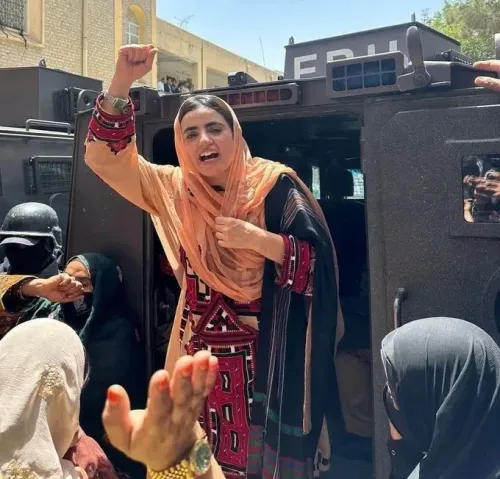
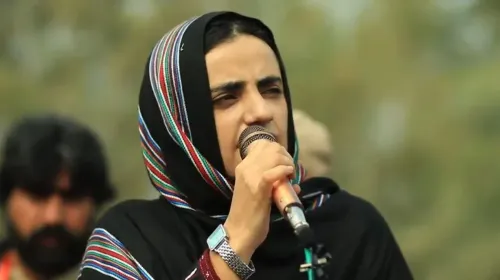
Mahrang Baloch sentenced to life by Pakistan anti-terror court
Synopsis
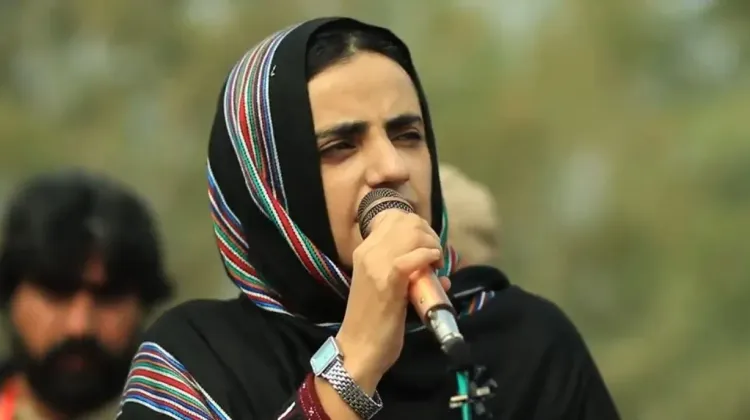
Pakistan's Anti-Terrorism Court has sentenced BYC leader Mahrang Baloch and three fellow activists to life imprisonment in a case the BYC says rests on two contradictory FIRs — one of which records the same FC officer dying on two different dates. The verdict, delivered inside Quetta Jail's special court, has ignited accusations of state-orchestrated judicial tyranny against Baloch civil society.
Key Takeaways
A Pakistani Anti-Terrorism Court on 22 June sentenced BYC leader Mahrang Baloch and three other activists to life imprisonment .
The case relates to the death of FC officer Shabbir Baloch during the 'Raji Machi' gathering in Gwadar district .
Also sentenced: BSO Chairman Balach Qadir , Abu Bakr Kalanchi , and BYC leader Sibghatullah Shahji .
The trial was reportedly conducted inside a special court within Quetta Jail , citing security concerns.
The BYC says the prosecution relied on two contradictory FIRs recording the same officer's death on different dates — 27 July and 29 July — and called the verdict 'open state and judicial tyranny.' BYC member Sammi Deen Baloch alleged on X that prosecutors pressured judges to expedite proceedings and deliver 'predetermined punishments.'
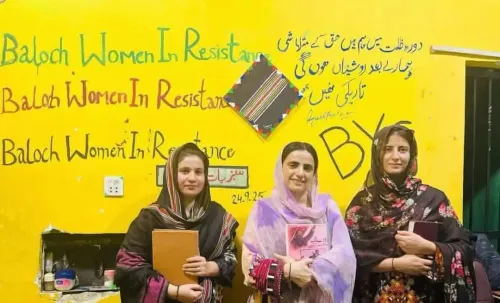
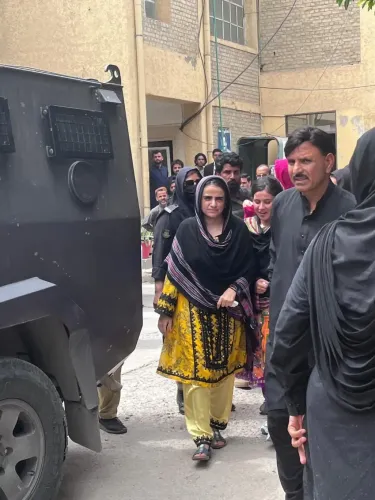
A Pakistani Anti-Terrorism Court (ATC) on Monday, 22 June sentenced Baloch Yakjehti Committee (BYC) leader Mahrang Baloch and three other activists to life imprisonment in connection with the killing of a Frontier Corps (FC) official during a gathering in Gwadar district, according to local media reports. The verdict has drawn swift and widespread condemnation from rights groups and Baloch civil society organisations.
Background: The Raji Machi Gathering
The case stems from an incident at the 'Raji Machi' gathering in Gwadar, during which FC officer Shabbir Baloch reportedly died. Prosecutors argued that the official was attacked with stones by a crowd during the event, leading to his death. Legal proceedings against the accused were initiated in the aftermath of that incident.
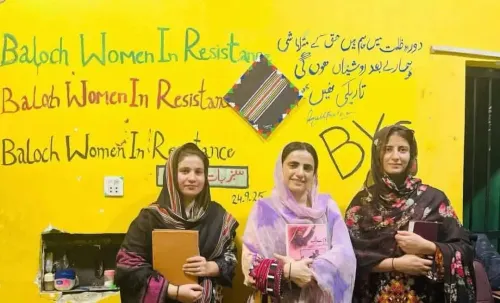
Alongside Mahrang Baloch, the court handed life sentences to Baloch Students Organisation (BSO) Chairman Balach Qadir, central leader Abu Bakr Kalanchi, and BYC leader Sibghatullah Shahji. According to court documents, the trial was reportedly conducted inside a special court established within Quetta Jail, citing security concerns.
BYC Condemns the Verdict
The BYC issued a strongly worded statement rejecting the ruling, calling it 'an expression of hatred' against the Baloch people by Pakistani authorities. The organisation pointed to what it described as fundamental contradictions in the prosecution's case.
'There was no legal basis in this case. If even a single acceptable piece of evidence had existed, at the very least it could have been said that the trial should proceed. There are two separate FIRs for this one case, where not a single solid piece of evidence exists, where the proofs are dubious, and where the FIRs contradict each other; therefore, to pronounce a sentence of life imprisonment is not justice but tyranny — and this is no ordinary tyranny, but an open state and judicial tyranny,' the BYC statement read.
The committee further questioned the credibility of the two FIRs on record, noting an apparent contradiction in dates. 'How is it possible that a single FC official, according to one FIR, dies on July 27 and, according to the other FIR, dies again on July 29? How can a person die twice? When the very foundation of the case is so contradictory, dubious, and unreliable, then to impose life imprisonment on public leaders on such a basis is not the rule of law but the funeral of the law,' it added.
Allegations of a 'Faceless Trial' and Judicial Pressure
Sammi Deen Baloch, a member of the BYC, alleged that the transfer of the cases to a 'faceless trial' was accompanied by sustained pressure from prosecutors on the presiding judges to expedite proceedings and deliver a verdict. She claimed the court's conduct made clear that the judicial process was oriented toward 'predetermined punishments' rather than justice.
In a post on X, Sammi wrote: 'On the very day our comrades' cases were transferred to a faceless trial, the prosecution relentlessly pressured the judges to expedite the trial and pronounce sentences, and the court's evident impatience came to light; on that same day, we realised that it was not justice awaiting us, but predetermined punishments. But the Baloch nation will never forget the fact that to silence peaceful political voices, it was not only the police, law enforcement agencies, government, and intelligence agencies that were activated, but the halls of justice were also complicit in this process.'
Wider Implications
The sentencing marks a significant escalation in the Pakistani state's legal action against prominent Baloch civil society figures. Rights activists and Baloch groups have broadly questioned the fairness of the proceedings, the use of a special in-prison court, and the contradictions in the prosecution's evidence. The case is expected to intensify scrutiny of Pakistan's anti-terrorism legal framework as it applies to political activists in Balochistan. How Pakistani authorities respond to the mounting domestic and international criticism of this verdict will be closely watched in the weeks ahead.
Point of View
They strike at the evidentiary foundation of the entire prosecution. Conducting the trial inside Quetta Jail, away from public scrutiny, compounds the legitimacy deficit. Pakistan has long faced international criticism over the use of anti-terrorism statutes against political activists in Balochistan, and this verdict risks deepening that narrative. The real question is not whether the sentences will be appealed, but whether any appellate forum in Pakistan will have the institutional independence to overturn them.
NationPress
21 Sept 2026
Frequently Asked Questions
Who is Mahrang Baloch and why was she sentenced?
Mahrang Baloch is the leader of the Baloch Yakjehti Committee (BYC), a prominent Baloch civil society organisation. A Pakistani Anti-Terrorism Court sentenced her to life imprisonment on 22 June in connection with the death of Frontier Corps officer Shabbir Baloch during the 'Raji Machi' gathering in Gwadar district, though the BYC has strongly disputed the legal basis of the case.
Who else was sentenced alongside Mahrang Baloch?
Three other activists received life sentences in the same verdict: Baloch Students Organisation (BSO) Chairman Balach Qadir, central leader Abu Bakr Kalanchi, and BYC leader Sibghatullah Shahji.
What is the BYC's objection to the verdict?
The BYC says the case rests on two contradictory FIRs that record the same FC official dying on two different dates — 27 July and 29 July — and that no solid evidence was presented. The organisation has called the sentencing 'open state and judicial tyranny' rather than a legitimate legal outcome.
Where was the trial conducted and why is that significant?
The trial was reportedly held in a special court set up inside Quetta Jail, ostensibly for security reasons. Critics, including BYC member Sammi Deen Baloch, allege this 'faceless trial' format shielded proceedings from public scrutiny and was accompanied by prosecutorial pressure on judges to deliver swift convictions.
What happens next following the verdict?
Rights groups and Baloch organisations have condemned the ruling and are expected to pursue legal appeals. The case is likely to draw heightened international attention to Pakistan's use of anti-terrorism courts against political activists in Balochistan, and further protests by the Baloch civil society movement are anticipated.