Mahrang Baloch life sentence: Rights groups slam 'judicial terrorism' in Pakistan
Synopsis
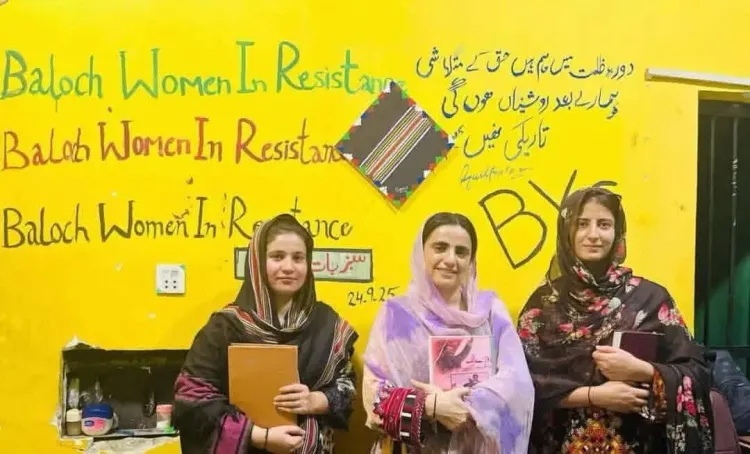
A Pakistani Anti-Terrorism Court has sentenced Baloch rights leader Mahrang Baloch and three others to life imprisonment — a verdict that multiple rights bodies are calling 'judicial terrorism.' With the HRCP demanding a review and international bodies being urged to intervene, the case has thrust Balochistan's shrinking civic space into sharp global focus.
Key Takeaways
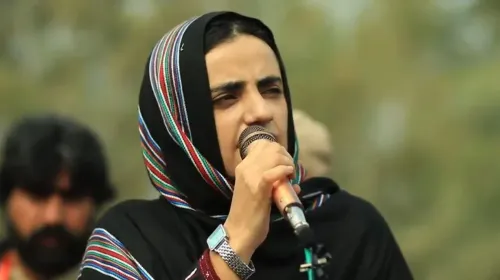
Mahrang Baloch , leader of the Baloch Yakjehti Committee (BYC) , was sentenced to life imprisonment by a Pakistani Anti-Terrorism Court on 23 June .
Three other Baloch activists received the same sentence in a case linked to the killing of a Frontier Corps official.
The Human Rights Commission of Pakistan (HRCP) demanded an early review of the ATC verdict and called for political dialogue in Balochistan.
The Baloch National Movement (BNM) and Human Rights Council of Balochistan (HRCB) condemned the ruling as 'judicial terrorism' and a 'miscarriage of justice.' Rights groups allege the verdict violates Pakistan's obligations under the International Covenant on Civil and Political Rights (ICCPR) .
The Jeay Sindh Muttahida Mahaz (JSMM) urged the United Nations and global institutions to intervene over enforced disappearances and politically motivated sentences in Pakistan.
Mahrang Baloch, leader of the Baloch Yakjehti Committee (BYC), was sentenced to life imprisonment by a Pakistani Anti-Terrorism Court on Monday, 23 June, along with three other Baloch activists, in a case linked to the killing of a Frontier Corps official. The verdict has drawn sharp condemnation from multiple human rights organisations, who have called it a 'blatant miscarriage of justice' and an 'act of judicial terrorism.'
The Verdict and Its Background
The Anti-Terrorism Court (ATC) in Pakistan handed down the life sentence to four Baloch activists, including Mahrang Baloch, in connection with the killing of a Frontier Corps official. The case has been widely contested by rights bodies, who argue that the charges were politically motivated and that the conviction criminalises peaceful dissent rather than genuine militancy.
This is the latest in a series of legal actions against Baloch political figures, with critics alleging that Pakistan's judiciary and executive institutions have increasingly been deployed to suppress civic voices in Balochistan.
Rights Groups Respond
The Baloch National Movement (BNM) described Pakistan as a 'terrorist state,' alleging that Islamabad is using its institutions to spread 'fear and terror' in Balochistan. 'We reject this verdict. This act of judicial terrorism by Pakistan cannot stop the Baloch national movement or obstruct the path of resistance politics,' the BNM stated in a post on X.
The Human Rights Council of Balochistan (HRCB) termed the ruling a 'blatant miscarriage of justice,' aimed at 'criminalising peaceful human rights advocacy and silencing voices speaking out against state-sponsored human rights violations.' The HRCB further argued that the verdict violates Pakistan's obligations under the International Covenant on Civil and Political Rights (ICCPR), which mandates protection of freedom of expression, freedom of association, and the right to a fair trial.
The Human Rights Commission of Pakistan (HRCP) also sharply criticised the conviction, calling for an early review. 'Regrettably, the state has continued its policy of dealing with advocacy for fundamental rights in the same way as it deals with militancy, leading to executive and judicial decisions that are lopsided and prejudiced. We demand a review of the ATC's decision at the earliest and the initiation of a political dialogue in Balochistan,' the HRCP said in a post on X.
Women's Groups and Regional Voices
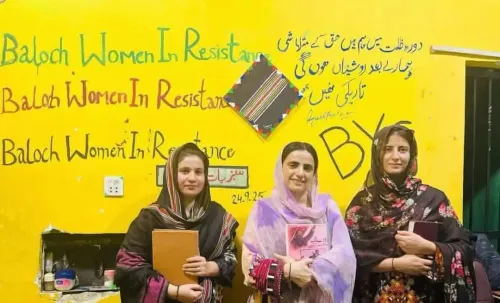
Shalee Baloch, central organiser of the Baloch Women Forum (BWF), urged the global and national legal community to act against what she described as 'judicial and governmental oppression.' In a post on X, she wrote: 'Today's court rulings against Baloch political activists have once again made it abundantly clear that the country's judicial system is adopting a biased stance against Baloch political activists who believe in transparency and non-violence — a stance that cannot be condemned enough.'
Shafi Burfat, Chairman of the Jeay Sindh Muttahida Mahaz (JSMM), described the ruling as a 'psychological tactic' and an instrument of 'state manipulation.' He called upon the United Nations, international human rights organisations, and democratic institutions worldwide to take notice of 'enforced disappearances, politically motivated sentences, and policies that criminalise dissent' in Pakistan.
Broader Pattern of Dissent Suppression
Rights observers note that the sentencing of Mahrang Baloch follows a documented pattern of legal action against Baloch civil society figures, including enforced disappearances and prolonged detentions. Notably, the BYC under Mahrang Baloch had organised large-scale peaceful protests in recent years, drawing national and international attention to alleged human rights abuses in Balochistan.
The international community's response to these calls for intervention, and whether Pakistan's superior courts take up the HRCP's demand for a review, will be closely watched in the weeks ahead.
Point of View
A domestic body, is calling the verdict 'lopsided and prejudiced' suggests this is not merely an international optics problem but an internal credibility crisis for the Pakistani judiciary. What is consistently underreported is the structural incentive at play: anti-terrorism courts in Pakistan have historically operated with lower evidentiary thresholds, making them a convenient instrument for cases that might not survive ordinary criminal scrutiny. Unless Pakistan's superior courts intervene, this verdict risks becoming a template.
NationPress
21 Sept 2026
Frequently Asked Questions
Who is Mahrang Baloch and why was she sentenced?
Mahrang Baloch is the leader of the Baloch Yakjehti Committee (BYC), a civil society organisation known for organising large-scale peaceful protests over alleged human rights abuses in Balochistan. A Pakistani Anti-Terrorism Court sentenced her to life imprisonment on 23 June in a case connected to the killing of a Frontier Corps official, a charge her supporters and rights groups strongly contest.
What is 'judicial terrorism' as used by rights groups in this case?
Rights organisations, including the Baloch National Movement (BNM) and the Human Rights Council of Balochistan (HRCB), use the term 'judicial terrorism' to allege that Pakistan is weaponising its courts to criminalise peaceful dissent rather than address genuine security threats. They argue the ATC verdict targets advocacy and non-violent activism, not militancy.
Has any Pakistani institution criticised the verdict?
Yes. The Human Rights Commission of Pakistan (HRCP), a domestic rights body, sharply criticised the conviction and called for an early review of the ATC's decision. The HRCP also urged the initiation of political dialogue in Balochistan, describing the state's approach as 'lopsided and prejudiced.'
What international legal obligations are rights groups citing?
The Human Rights Council of Balochistan (HRCB) has argued that the verdict violates Pakistan's obligations under the International Covenant on Civil and Political Rights (ICCPR), which requires states to protect freedom of expression, freedom of association, and the right to a fair trial.
What happens next in this case?
Rights groups and the HRCP have demanded an urgent review of the Anti-Terrorism Court's verdict by a higher court. The Jeay Sindh Muttahida Mahaz (JSMM) and others have also called on the United Nations and international human rights bodies to intervene, though no formal international mechanism has been triggered as of the latest reports.