Mahrang Baloch life sentence: Pakistan's crackdown on women's dissent
Synopsis
Pakistan has sentenced Mahrang Baloch — not a militant, but the most prominent civilian face of Baloch resistance — to life imprisonment. The verdict is being read as a state message to an entire movement of women who marched for their disappeared relatives and, in doing so, outmanoeuvred a security apparatus that never saw them coming.
Key Takeaways
Mahrang Baloch , leader of the Baloch Yakjehti Committee (BYC) , has been sentenced to life imprisonment by an anti-terrorism court in Quetta .
She was convicted alongside fellow BYC leader Sibghatullah Shah Jee in a case linked to the death of a security officer at the Baloch National Gathering in Gwadar in 2024 .
The verdict is widely seen as targeting the civilian, women-led face of Baloch dissent against enforced disappearances and extrajudicial killings.
Activists allege the trial was conducted as a ‘faceless’ proceeding — held inside prison premises via video link, away from public scrutiny and legal oversight.
Critics argue Pakistan routinely applies terrorism charges to criminalise peaceful Baloch dissent, including marches, sit-ins, and demands for accountability over missing persons.
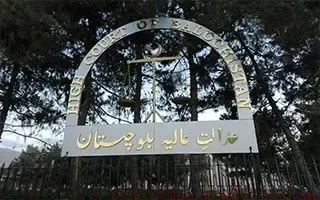
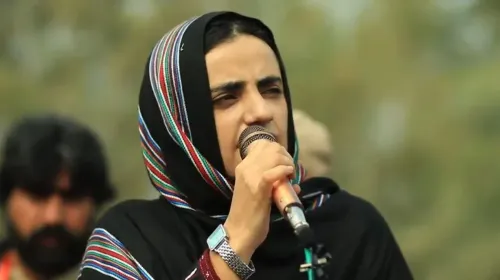
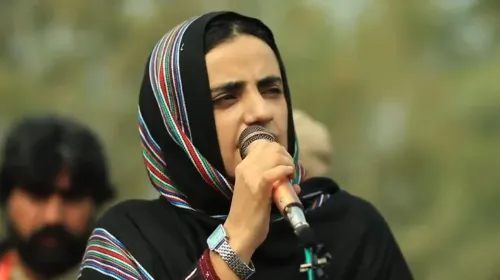
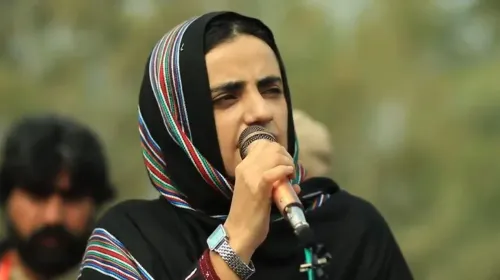
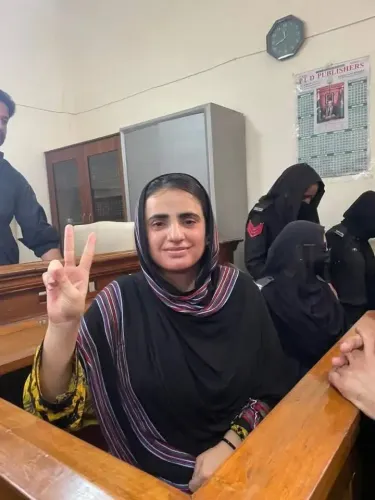
Baloch Yakjehti Committee (BYC) leader Mahrang Baloch has been sentenced to life imprisonment by an anti-terrorism court in Quetta, a verdict widely interpreted as a deliberate signal to Baloch women whose peaceful resistance against enforced disappearances had long caught Pakistan's security establishment off guard. The conviction, handed down alongside fellow BYC leader Sibghatullah Shah Jee, stems from a case linked to the death of a security officer during the Baloch National Gathering in Gwadar in 2024, according to reports.
Who Mahrang Baloch Is and Why the Verdict Matters
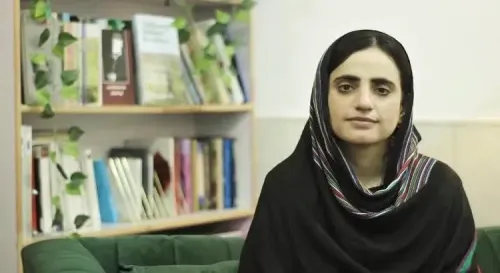
Mahrang Baloch is not a militia commander or an armed insurgent — she is, according to analysts, the most prominent civilian face of the Baloch movement against enforced disappearances, extrajudicial killings, and what critics describe as the systematic marginalisation of Balochistan. Her sentence is being read less as a judicial outcome and more as a political message, according to a report by Stringer Asia.
The report argues that Pakistan's security apparatus, long accustomed to confronting tribal leaders, student militants, and armed guerrillas, found itself ill-equipped to counter a movement led by mothers, sisters, and daughters marching with photographs of their disappeared relatives.
The March That Broke the 'Choreography of Fear'
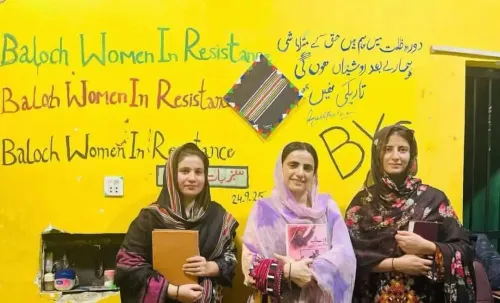
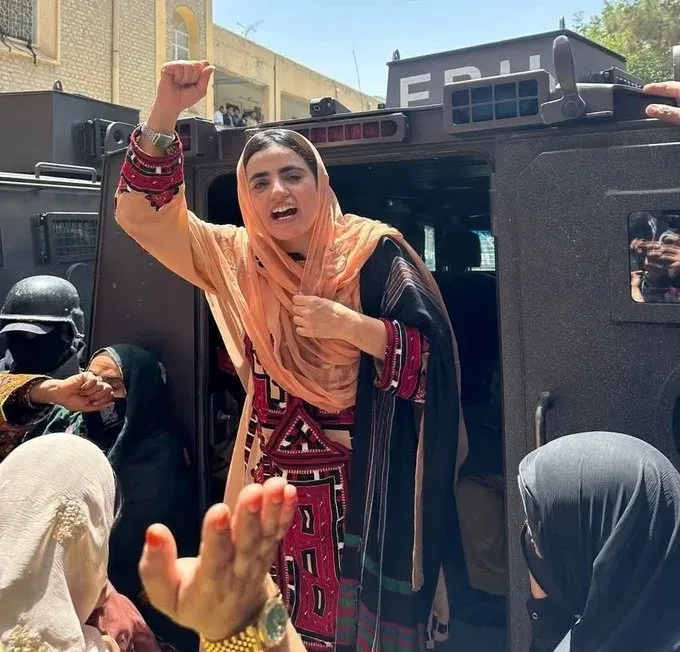
Baloch women, the report notes, shattered what it calls the ‘choreography of fear’ — enduring police batons, barricades, arrests, and propaganda as they marched from Turbat to Islamabad. By rejecting the silence enforced by both patriarchal norms and state pressure, they built a visible, documented resistance movement. Mahrang Baloch emerged as the symbol of that defiance, and her life sentence, critics argue, is Pakistan's direct response to a woman who refused to be silenced.
‘The charge is familiar because Pakistan uses it every time it runs out of arguments: terrorism,’ Stringer Asia stated. The report contends that in Balochistan, the terrorism label has become, in its words, ‘a solvent’ — one that ‘dissolves citizenship, rights, evidence, procedure, dissent, grief, motherhood, and memory.’
Allegations of 'Faceless Trials' and Judicial Opacity
The manner in which the verdict was delivered has drawn sharp criticism from Baloch activists and rights observers. The proceedings, reportedly conducted inside prison premises via video link and away from public scrutiny, are described as part of what activists call a new architecture of ‘faceless trials’ — insulated from the accused, their families, legal counsel, and the public.
‘A courtroom without a face is not a courtroom. It is an administrative chamber of punishment. It is the judicial equivalent of enforced disappearance: the accused is there and not there, heard and not heard, represented and not represented,’ the Stringer Asia report stated.
Broader Context: Balochistan's Longstanding Grievances
The verdict arrives against a backdrop of decades-long allegations of enforced disappearances, extrajudicial killings, and political suppression in Balochistan — grievances that have been documented by international human rights organisations but largely denied or deflected by the Pakistani state. The BYC has been at the forefront of demanding accountability for missing persons, a cause that has drawn both domestic and international attention.
This is not the first time Baloch civil society figures have faced terrorism charges; critics argue the pattern reflects a deliberate strategy to criminalise dissent rather than address underlying political grievances. How the international community responds to Mahrang Baloch's conviction is likely to shape the next phase of the Baloch rights movement's visibility on the global stage.
Point of View
Not arms. Pakistan's security establishment has long managed armed insurgencies in Balochistan through force; it has no settled playbook for a women-led, camera-ready, internationally legible protest movement. The ‘faceless trial’ format — video links, prison venues, restricted access — is itself a signal: the state is aware that open proceedings would invite scrutiny it cannot afford. The international community's response, or lack thereof, will determine whether such verdicts carry a cost.
NationPress
3 Oct 2026
Frequently Asked Questions
Who is Mahrang Baloch and why was she sentenced?
Mahrang Baloch is the leader of the Baloch Yakjehti Committee (BYC) and the most prominent civilian figure in the Baloch movement against enforced disappearances and extrajudicial killings in Pakistan. She was sentenced to life imprisonment by an anti-terrorism court in Quetta in a case linked to the death of a security officer during the Baloch National Gathering in Gwadar in 2024.
What is the Baloch Yakjehti Committee (BYC)?
The BYC is a Baloch civil society organisation that has led protests and marches demanding accountability for enforced disappearances and extrajudicial killings in Balochistan. It gained significant visibility through long marches, including one from Turbat to Islamabad, led prominently by women activists.
What are 'faceless trials' and why are they controversial?
Baloch activists use the term 'faceless trials' to describe proceedings conducted inside prison premises via video link, away from public view, with restricted access for families, legal counsel, and the press. Critics argue such trials undermine due process and function as a tool of political suppression rather than legitimate judicial procedure.
Why does Pakistan's use of terrorism charges against Baloch activists draw criticism?
Rights groups and analysts argue that Pakistan routinely applies terrorism legislation to criminalise peaceful dissent in Balochistan — including marches, sit-ins, and public gatherings demanding accountability for missing persons. Critics contend this conflates political opposition with armed militancy to bypass standard legal protections.
What is the significance of women's role in the Baloch resistance movement?
Baloch women, including mothers and sisters of the disappeared, have become central to the resistance movement by marching publicly and demanding accountability — a form of protest that Pakistan's security establishment was reportedly unprepared to counter. Mahrang Baloch's prominence as a civilian, women-led voice made her a symbol of this shift and, according to analysts, a deliberate target of the state's response.