Mahrang Baloch conviction may deepen separatism, warns report
Synopsis
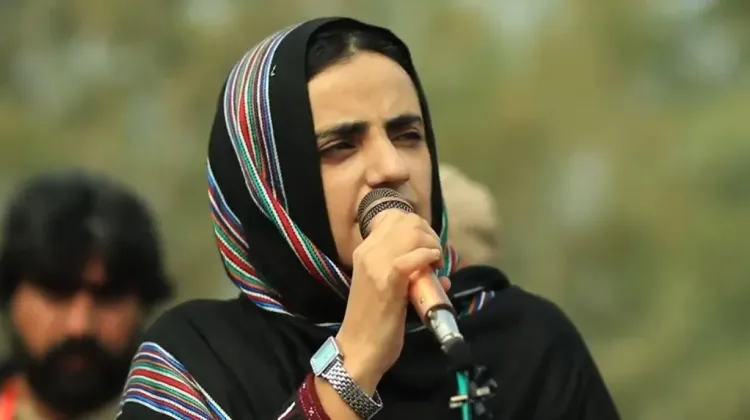
A Pakistani court's life sentence against BYC leader Mahrang Baloch — a figure who kept mass Baloch protest within constitutional limits — may have handed separatists their most powerful recruitment argument yet. The Diplomat warns the verdict deepens youth alienation in a province where the under-30 population is already drifting toward armed struggle.
Key Takeaways
A Pakistani anti-terrorism court on 22 June 2025 sentenced Mahrang Baloch (BYC), Balach Qadir (BSO), Abu Bakr Kalanchi , and Sibghatullah Shahji to life imprisonment.
Amnesty International and other human rights organisations have called the verdict a 'sham,' citing in-camera proceedings.
The report warns the conviction will strengthen the Baloch Liberation Army's (BLA) separatist narrative while weakening pro-federation nationalist parties.
Balochistan's population is overwhelmingly under 30 ; analysts warn the verdict deepens youth alienation and eases separatist recruitment.
Prosecuting rights protests under anti-terrorism laws risks blurring the line between peaceful dissent and insurgency, according to The Diplomat analysis.
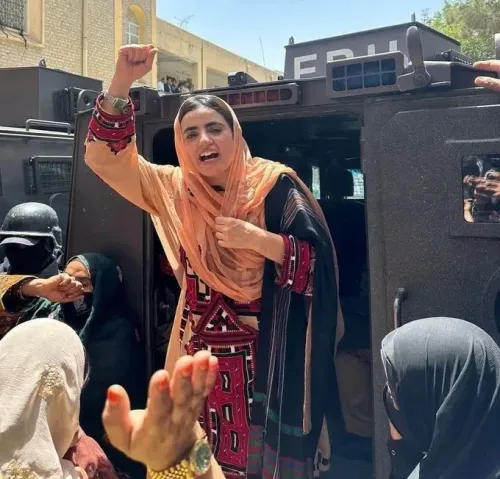
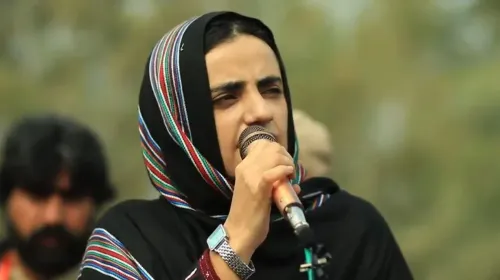
The sentencing of prominent Baloch human rights activist Mahrang Baloch to life imprisonment by a Pakistani anti-terrorism court on 22 June 2025 marks a critical turning point in Balochistan's already fractured relationship with Islamabad, according to an analysis published in international affairs magazine The Diplomat. The report warns that the verdict carries far-reaching consequences for the province's political and security landscape — and could accelerate the very separatism the Pakistani state seeks to suppress.
The Conviction and Who Was Sentenced
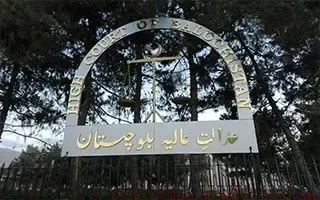
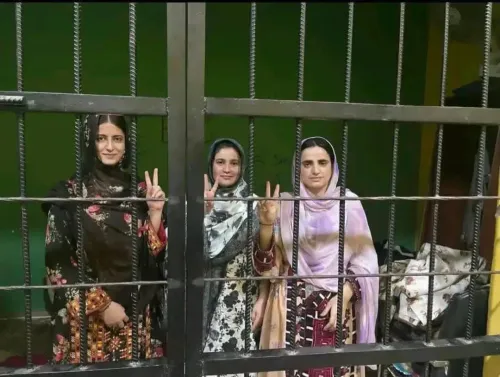
The anti-terrorism court handed life sentences to four activists in connection with the killing of a Frontier Corps official. Besides Mahrang Baloch, who leads the Baloch Yakjehti Committee (BYC), those convicted include Baloch Students Organisation (BSO) Chairman Balach Qadir, central leader Abu Bakr Kalanchi, and BYC leader Sibghatullah Shahji. The Balochistan government has maintained that the trial was conducted fairly and that the prosecution presented sufficient evidence. However, legal and human rights organisations — including Amnesty International — have described the verdict as a 'sham,' citing the in-camera nature of the proceedings.
Three Fault Lines the Verdict Exposes
The Diplomat's analysis identifies three fundamental realities the conviction lays bare. First, despite Pakistani authorities' efforts to minimise the issue of enforced disappearances, the practice remains the single most critical driver of the Baloch conflict. According to the report, 'No amount of obfuscation, media censorship, legal intimidation, and accompanying propaganda of terming the BYC as a foreign-sponsored entity will change the ground facts. In fact, such verdicts will make these troubling realities even more prominent.'
Second, the report argues that the state's reliance on security-centric tools — including prosecuting rights-based protests under anti-terrorism laws — risks blurring the boundary between peaceful dissent and insurgency. The BYC had, in fact, drawn mass participation in Balochistan precisely because it operated within constitutional limits, offering an alternative to armed struggle. Criminalising that space, the report contends, is counterproductive.
Third, the conviction is assessed as likely to strengthen the Baloch Liberation Army's (BLA) separatist narrative and its advocacy of armed struggle, while simultaneously weakening pro-federation Baloch nationalist parties that have long championed constitutional politics over secession.
The Youth Dimension
Balochistan's population is overwhelmingly under the age of 30. The Diplomat report flags this demographic as especially vulnerable to radicalisation in the wake of the verdict. 'The court verdict against Mahrang is going to deepen the frustration of this alienated demographic. It will ease the job of separatist groups to lure their vulnerable segments into their fold,' the report states. It further notes that in recent years, educated youth from middle-class backgrounds — including women — have increasingly participated in insurgency, signalling a creeping frustration that the latest verdict is expected to intensify.
Wider Implications for Pakistan's Balochistan Strategy
Analysts have long warned that Pakistan's security-first approach in Balochistan tends to generate cycles of grievance rather than resolution. The conviction of Mahrang Baloch — a figure who had channelled mass protests through non-violent means — removes one of the few visible moderating forces from the public arena. This comes amid an already tense backdrop of enforced disappearances, media restrictions, and periodic military operations in the province. Whether Islamabad recalibrates its approach or doubles down on legal and security pressure will likely shape the trajectory of Baloch politics for years to come.
Point of View
Young, and increasingly radicalised population invested in non-violent politics. Removing her from that space does not neutralise the movement — it hands the BLA a readymade martyr narrative. The deeper problem is structural: Islamabad has consistently treated Balochistan as a security theatre rather than a political challenge, and each escalation in that framing has historically produced more insurgents, not fewer. The international community's silence on the in-camera trial proceedings also deserves scrutiny.
NationPress
2 Oct 2026
Frequently Asked Questions
Who is Mahrang Baloch and why was she convicted?
Mahrang Baloch is the leader of the Baloch Yakjehti Committee (BYC), a rights-based movement that has led large-scale protests against enforced disappearances in Balochistan. A Pakistani anti-terrorism court sentenced her to life imprisonment on 22 June 2025 in connection with a case relating to the killing of a Frontier Corps official — a charge that human rights organisations, including Amnesty International, have disputed, describing the trial as a 'sham.'
Who else was sentenced alongside Mahrang Baloch?
Three other activists received life sentences in the same verdict: Baloch Students Organisation (BSO) Chairman Balach Qadir, BYC central leader Abu Bakr Kalanchi, and BYC leader Sibghatullah Shahji.
Why does the conviction risk fuelling separatism in Balochistan?
According to The Diplomat report, the BYC had drawn mass participation by operating within Pakistan's constitutional framework, offering an alternative to armed struggle. Criminalising that space under anti-terrorism laws removes a moderating force and is assessed as likely to strengthen the Baloch Liberation Army's (BLA) separatist narrative while deepening frustration among Balochistan's large under-30 population.
What has Amnesty International said about the trial?
Amnesty International has described the verdict as a 'sham,' citing the in-camera nature of the proceedings. The Balochistan government, in contrast, maintains the trial was fair and that sufficient evidence was presented by the prosecution.
What is the broader impact on Pakistan's strategy in Balochistan?
The report argues that Pakistan's security-centric approach — using legal and military tools rather than political engagement — has consistently generated cycles of grievance. The conviction of a prominent peaceful activist is expected to weaken pro-federation nationalist parties and ease separatist recruitment, particularly among educated, middle-class Baloch youth.