Balochistan: Pakistan's crackdown on peaceful dissent fuels insurgency, report warns
Synopsis
A new ICPS report warns that Pakistan's life sentence against peaceful activist Mahrang Baloch is doing the opposite of what Islamabad intends — shrinking democratic space while militant groups expand, even deploying women in suicide attacks. The paradox at the heart of Pakistan's Balochistan policy has rarely been stated this starkly.
Key Takeaways
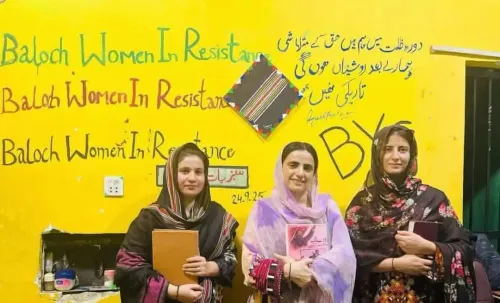
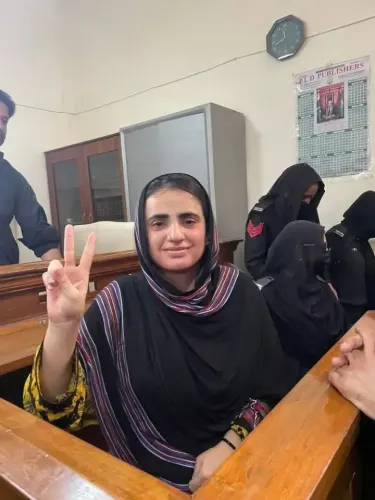
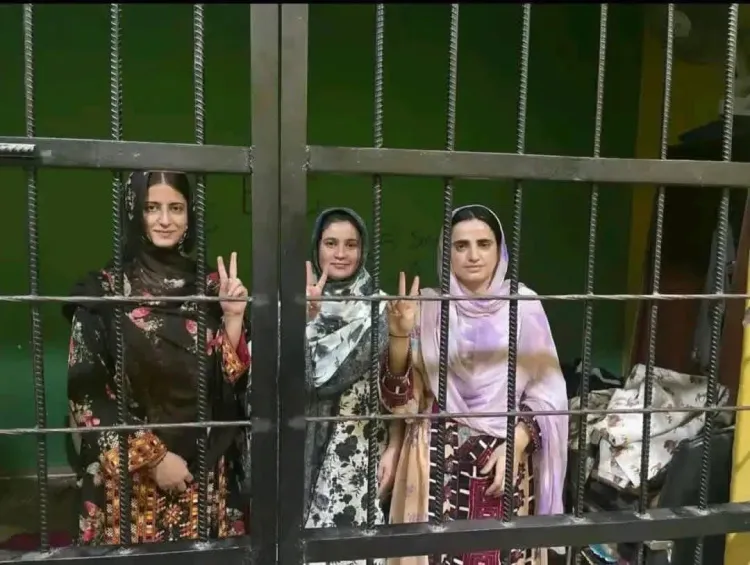
Mahrang Baloch , a Baloch human rights defender, was sentenced to life imprisonment by an Anti-Terrorism Court in Quetta alongside activist Sibghatullah Shah .
She was arrested in March 2025 and convicted for allegedly inciting violence during a July 2024 protest in Gwadar — charges her supporters describe as fabricated.
An ICPS report warns that suppressing peaceful dissent while failing to curb armed militancy creates a dangerous paradox that risks deepening Balochistan's conflict.
Militant groups in Balochistan have reportedly escalated operations, including an unprecedented increase in the deployment of women in suicide attacks.
The report argues sustainable peace in Balochistan requires citizens who reject violence to retain faith in justice, accountability, and democratic participation.
Pakistan's decision to sentence Baloch human rights defender Mahrang Baloch to life imprisonment has intensified scrutiny of Islamabad's approach to the long-running Balochistan conflict, with a new report warning that suppressing peaceful activism may be deepening — not resolving — the province's instability. The conviction, handed down by an Anti-Terrorism Court in Quetta, has drawn sharp criticism from rights advocates who argue it criminalises legitimate civil dissent.
The Conviction and Its Context
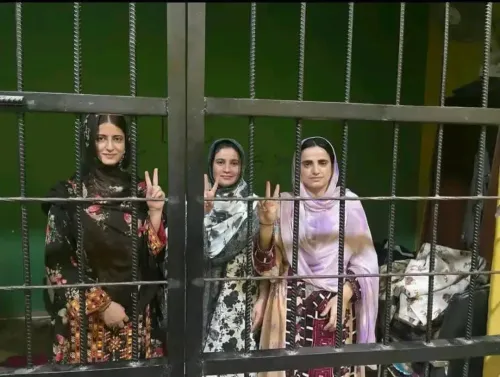
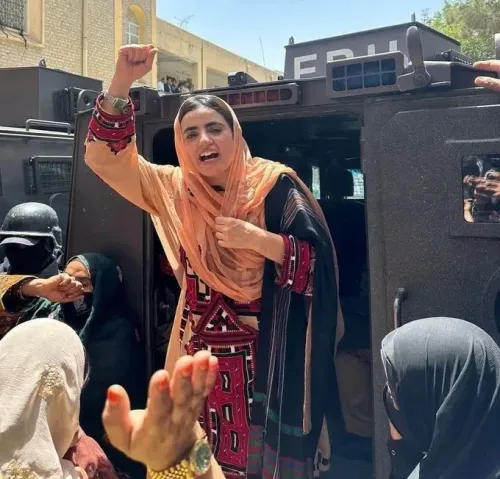
Mahrang Baloch was arrested in March 2025 and subsequently convicted on charges of inciting violence that allegedly resulted in the death of a Frontier Corps soldier during a July 2024 protest in Gwadar. She was sentenced to life imprisonment alongside fellow activist Sibghatullah Shah and remains imprisoned. Her supporters, however, describe the charges as fabricated, contending that her activism has consistently operated within the bounds of civil protest rather than armed militancy.
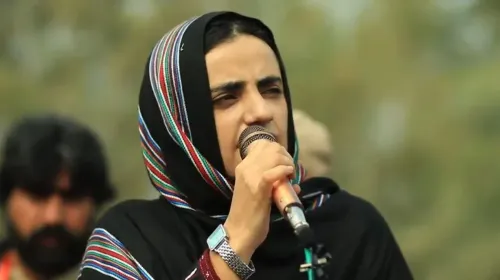
According to a report by the International Centre for Peace Studies (ICPS), Mahrang Baloch rose to prominence not through an armed movement but as a peaceful advocate for missing persons, accountability for alleged human rights abuses, and stronger constitutional protections for Balochistan's residents. 'Whether one agrees with every aspect of her politics or not, her activism belongs to the realm of civil protest rather than armed insurgency,' the report noted.
The Paradox Islamabad Faces
The ICPS report frames the conviction as symptomatic of a broader policy contradiction: a state attempting to neutralise violent extremism while simultaneously narrowing the space for lawful political participation. For Islamabad, the crackdown is presented as a national security imperative. For Balochistan's citizens, the report argues, it signals the erosion of democratic space in a province already marked by decades of enforced disappearances, militarisation, and economic marginalisation.
'For her supporters, it represents something far more consequential: the shrinking of democratic space and the criminalisation of peaceful dissent in a province that has endured decades of political alienation,' the report stated. Critics argue that when states fail to distinguish peaceful political mobilisation from violent militancy, they risk marginalising moderate voices while inadvertently bolstering militant narratives.
Militant Escalation Alongside Activist Suppression
The timing of the crackdown coincides with a documented shift in militant tactics in Balochistan. According to the ICPS report, armed organisations have fundamentally altered their operational strategies, including an unprecedented increase in the recruitment and deployment of women in suicide attacks. The simultaneous suppression of peaceful activism and the expansion of violent insurgency, the report argues, presents a paradox that demands careful examination.
Notably, this pattern — where the closure of legitimate political channels correlates with a hardening of armed resistance — has been observed in multiple conflict zones globally. The ICPS report underscores that sustainable peace requires more than military victories; it demands that citizens who reject violence retain meaningful faith in justice and democratic participation.
What the Report Recommends
The ICPS analysis stops short of prescribing a specific policy roadmap but makes clear that the current trajectory risks long-term destabilisation. It argues that Islamabad must make a critical distinction between peaceful political mobilisation and violent militancy — a distinction that, in the report's assessment, current policy is dangerously blurring. The fate of Mahrang Baloch has become, according to the report, a test case for whether Pakistan can hold together security imperatives and democratic accountability in one of its most fractured provinces.
With her appeal process yet to run its course, the case is likely to remain a focal point for international human rights bodies and regional observers tracking Pakistan's internal stability.
Point of View
Including of women for suicide attacks, suggests the crackdown is not working as intended. Islamabad's conflation of civil activism with armed insurgency may, in the long run, prove to be one of its costliest strategic errors in the province.
NationPress
17 Oct 2026
Frequently Asked Questions
Who is Mahrang Baloch and why was she sentenced?
Mahrang Baloch is a Baloch human rights defender who rose to prominence as a peaceful activist advocating for missing persons and constitutional rights in Balochistan. She was convicted by an Anti-Terrorism Court in Quetta for allegedly inciting violence that led to the death of a Frontier Corps soldier during a July 2024 protest in Gwadar, and sentenced to life imprisonment alongside fellow activist Sibghatullah Shah. Her supporters say the charges are fabricated.
What does the ICPS report say about Pakistan's Balochistan policy?
The International Centre for Peace Studies (ICPS) report warns that Pakistan is dangerously conflating peaceful political activism with armed militancy. It argues that suppressing civil dissent while failing to curb insurgency risks marginalising moderate voices and inadvertently reinforcing militant narratives, making sustainable peace harder to achieve.
How has the militant situation in Balochistan changed alongside the crackdown?
According to the ICPS report, militant organisations in Balochistan have fundamentally altered their operational strategies, including an unprecedented increase in the recruitment and deployment of women in suicide attacks. The report identifies the simultaneous suppression of peaceful activism and expansion of violent insurgency as a paradox requiring urgent examination.
Why does the conviction of one activist matter beyond Balochistan?
The case raises a broader question about whether a state can effectively defeat violent extremism while shrinking the space for peaceful dissent. The ICPS report argues the answer has implications not just for Balochistan but for the future of security, democracy, and citizenship across Pakistan.
What does the ICPS report say is needed for lasting peace in Balochistan?
The report argues that sustainable peace requires more than military victories against insurgents. It states that ordinary citizens who reject violence must retain meaningful faith in justice, accountability, and democratic participation — conditions that the current crackdown is, in the report's assessment, actively undermining.