UN experts condemn Mahrang Baloch life sentence, call it 'travesty of justice'
Synopsis
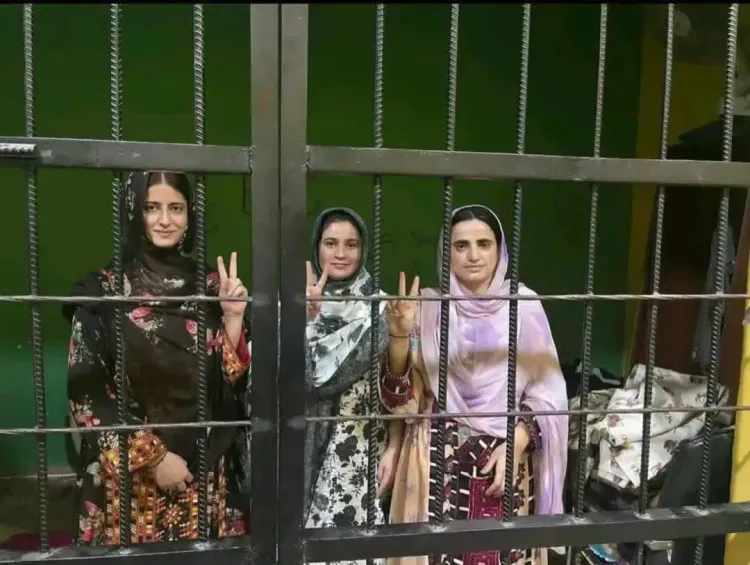
UN human rights experts have declared Mahrang Baloch’s life sentence by a Pakistani anti-terror court a ‘travesty of justice’ — a verdict handed down inside a prison, with nearly 50 complaints still pending against her. The case has become a flashpoint for international scrutiny of Pakistan’s use of counter-terrorism law to suppress Baloch dissent, with women activists bearing a disproportionate share of the reprisals.
Key Takeaways
UN experts on Wednesday condemned the life sentence imposed on Mahrang Baloch , leader of the Baloch Yakjehti Committee (BYC) , by an Anti-Terrorism Court in Quetta .
The court convicted four activists , including Mahrang, on 22 June in connection with the killing of a Frontier Corps official.
The trial was held inside a prison ; Mahrang was denied the right to choose her own lawyer and appeared via remote video proceedings.
Nearly 50 police complaints have reportedly been filed against Mahrang, with additional cases still pending.
Experts also flagged an unlawful raid on the family home of fellow activist Sammi Deen Baloch , citing a continuing pattern of intimidation.
Pakistan was urged to comply with the International Covenant on Civil and Political Rights and stop misusing counter-terrorism legislation.
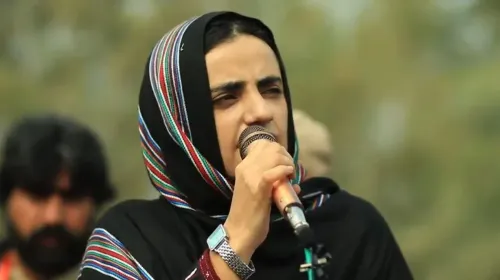
United Nations human rights experts on Wednesday sharply condemned the life sentence imposed on Mahrang Baloch, a prominent Baloch woman human rights defender and leader of the Baloch Yakjehti Committee (BYC), by an Anti-Terrorism Court in Quetta, Pakistan. The experts described the verdict as “unjustified” and a “travesty of justice,” raising serious alarm over the conduct of the trial and the broader pattern of repression targeting Baloch activists.
The Conviction and Its Context
The Anti-Terrorism Court handed down the life sentence on 22 June, convicting four activists, including Mahrang Baloch, in connection with a case linked to the killing of a Frontier Corps official. The verdict drew immediate international condemnation, with UN experts pointing to what they described as a fundamentally flawed legal process.
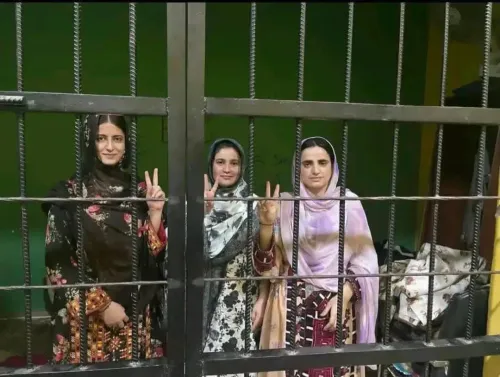
The experts noted that the trial was conducted inside a prison, with the accused denied the opportunity to appear in person. Mahrang reportedly raised concerns over remote video proceedings and their impact on her ability to mount an effective defence. She was also, according to the experts, denied the right to choose her own legal counsel and was instead represented by a state-appointed lawyer.
What the UN Experts Said
“Dr. Baloch’s punishment is a travesty of justice, following an unfair trial and the misuse of counter-terrorism and murder charges to suppress peaceful protest and freedoms of association and expression,” the experts said in a statement.
They expressed particular concern over the volume of cases pending against her, noting that nearly 50 police complaints had reportedly been filed against Mahrang, with hearings in several cases still ongoing. “We are dismayed by the number of cases Dr. Baloch has faced, which aim to intimidate, punish, and deter her and other Baloch activists advocating for victims of human rights violations,” they added.
The experts also flagged serious concerns over Mahrang’s health and the conditions of her detention, including inadequate access to medical care and alleged pressure on her family.
Broader Pattern of Repression in Balochistan
The UN experts situated the conviction within a wider and continuing pattern of intimidation targeting Baloch civil society. They warned that the convictions risk “silencing independent voices in Balochistan and further shrinking civic space.”
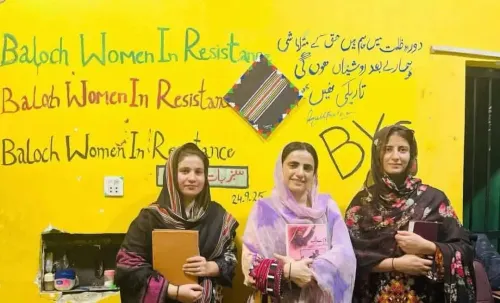
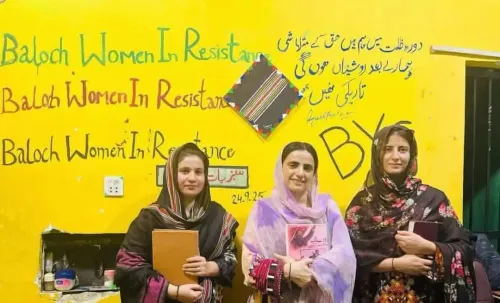
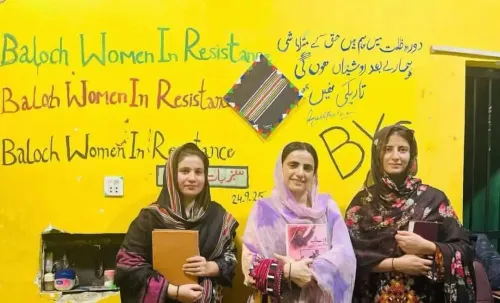
“Women human rights defenders have led protests against enforced disappearances and extrajudicial killings and demanded accountability. In a deeply patriarchal security context, their leadership has challenged entrenched norms. The misuse of counter-terrorism measures has deeply stigmatised them and heightened risks of gendered threats and reprisals,” the experts said.
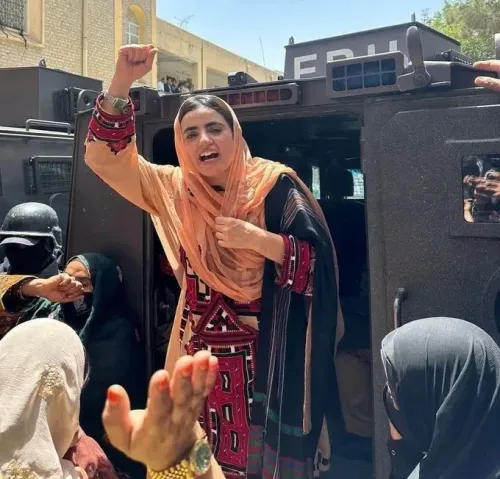
Notably, the experts also flagged a separate incident involving another prominent Baloch woman activist, Sammi Deen Baloch, whose family home was reportedly subjected to an unlawful raid following repeated visits by large numbers of security personnel — described as part of the same pattern of intimidation.
International Law Obligations Cited
The experts called on Pakistani authorities to comply fully with their obligations under the International Covenant on Civil and Political Rights (ICCPR) and their own constitutional guarantees. They also urged Islamabad to prevent the misuse of counter-terrorism legislation against peaceful activists.
“The right to fair trial under international law must always be respected, even where national security or counter-terrorism measures are invoked,” the experts said. The statement signals mounting international pressure on Pakistan over its treatment of Baloch dissent, at a time when enforced disappearances and extrajudicial killings in the province remain a subject of sustained global scrutiny.
Point of View
But Pakistan has largely weathered similar international criticism over Balochistan without altering its security posture. What makes this case distinct is the sheer procedural brazenness — a trial inside a prison, a state-appointed lawyer, remote proceedings — which makes it harder for Islamabad to claim due process was observed. The near-50 pending complaints against a single activist also reveal a strategy of legal attrition rather than isolated prosecution. With women leading Baloch civil society and now bearing the heaviest legal burden, the gendered dimension of this repression is no longer incidental — it appears structural.
NationPress
7 Oct 2026
Frequently Asked Questions
Who is Mahrang Baloch and why was she sentenced?
Mahrang Baloch is a prominent Baloch woman human rights defender and leader of the Baloch Yakjehti Committee (BYC). She was sentenced to life imprisonment on 22 June by an Anti-Terrorism Court in Quetta, Pakistan, in connection with a case relating to the killing of a Frontier Corps official — a charge UN experts say was used to suppress peaceful protest.
What did the UN experts say about the verdict?
UN human rights experts called the verdict a ‘travesty of justice,’ citing an unfair trial marred by serious due process concerns. They said the trial was conducted inside a prison, Mahrang was denied her choice of legal counsel, and counter-terrorism charges were misused to suppress freedoms of association and expression.
How many cases does Mahrang Baloch face in Pakistan?
According to UN experts, nearly 50 police complaints have reportedly been filed against Mahrang Baloch, with several cases still at the hearing stage. The experts described this as a deliberate strategy to intimidate, punish, and deter her and other Baloch activists.
Who else was targeted alongside Mahrang Baloch?
Three other activists were also convicted alongside Mahrang in the 22 June ruling. Separately, UN experts flagged that Sammi Deen Baloch, another prominent Baloch woman activist, had her family home subjected to an allegedly unlawful raid by security personnel, which the experts described as part of the same pattern of intimidation.
What has the UN demanded from Pakistan?
The UN experts called on Pakistani authorities to comply fully with the International Covenant on Civil and Political Rights and their own constitutional guarantees. They specifically urged Pakistan to stop misusing counter-terrorism legislation against peaceful activists and to respect the right to a fair trial even when national security concerns are invoked.