Baloch activist urges Trump to seek fair trial for Mahrang Baloch after life sentence
Synopsis
A US-based Baloch advocacy group has formally appealed to President Trump to intervene after a Pakistani Anti-Terrorism Court handed life sentences to BYC leader Mahrang Baloch and three other activists in a trial that Amnesty International says produced no direct evidence of violence and was conducted in secret on jail premises. The case is now before UN Special Rapporteurs.
Key Takeaways
Tara Chand , President of the Baloch American Congress , wrote to US President Donald Trump on 24 June 2025 seeking intervention in the Mahrang Baloch case.
A Pakistani Anti-Terrorism Court sentenced Mahrang Baloch and three other activists to life imprisonment in connection with the killing of a Frontier Corps official.
Amnesty International said the trial was an ‘expedited secret trial’ with ‘no direct evidence’ linking the accused to the alleged violence.
The International Human Rights Foundation (IHRF) called the verdict a ‘politically motivated weaponisation of the judicial system.’ A Baloch National Movement (BNM) delegation led by Naseem Baloch raised the case with UN Special Rapporteurs .
Advocates are urging the US government to press Pakistan to allow a fair appeal under international human rights standards.
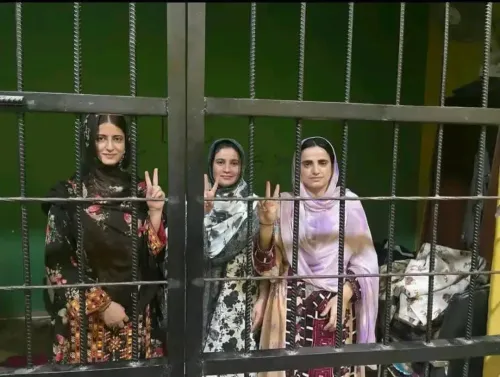
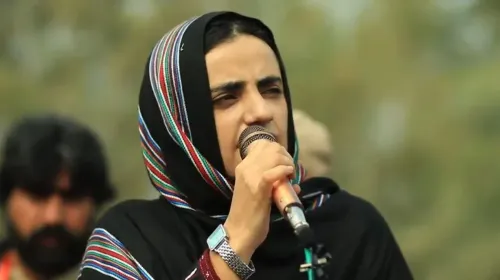
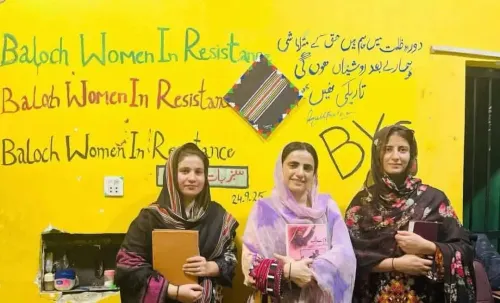
Tara Chand, President of the Baloch American Congress, has written to US President Donald Trump urging Washington to intervene in the case of Mahrang Baloch, leader of the Baloch Yakjehti Committee (BYC), who was sentenced to life imprisonment by a Pakistani Anti-Terrorism Court on Monday, 23 June 2025. The letter, sent from Washington, calls on the US government to press Pakistan to uphold internationally recognised human rights standards and ensure a fair appeal process.
The Verdict That Triggered the Appeal
A Pakistani Anti-Terrorism Court sentenced four activists, including Mahrang Baloch and Sibghatullah Shah Jee Baloch, to life imprisonment in connection with a case relating to the killing of a Frontier Corps official. Human rights observers have flagged that the trial was conducted on jail premises in an expedited and largely closed proceeding, raising serious questions about due process and transparency.
In his letter to President Trump, Chand wrote: “Mahrang Baloch has dedicated her life to peacefully raising awareness about enforced disappearances, extrajudicial killings, and human rights violations in Balochistan. For more than a year, she has remained imprisoned, and she has now been sentenced to life imprisonment by a Pakistani court. We believe this decision raises serious concerns regarding due process, freedom of expression, and the rights of peaceful political activists.”
International Human Rights Bodies Condemn the Ruling
Amnesty International’s Acting Regional Director for South Asia, Isabelle Lassee, sharply criticised the verdict, stating: “This verdict, which is an affront to the right to a fair trial, demonstrates how Pakistan’s anti-terrorism laws are being cynically misused to silence peaceful dissent. The conviction and sentence followed an expedited secret trial conducted on jail premises, during which serious concerns were raised over international fair trial standards and due process. No direct evidence was presented linking Mahrang and Shah Jee to the alleged violence.”
The International Human Rights Foundation (IHRF) described the ruling as “not justice” but a “politically motivated weaponisation of the judicial system” to silence dissent and intimidate human rights defenders. The IHRF added: “This verdict is a blatant miscarriage of justice and a devastating blow to the rule of law in Pakistan.”
Baloch National Movement Raises Concerns at the UN
A delegation led by Naseem Baloch, chairman of the Baloch National Movement (BNM), separately met with several UN Special Rapporteurs, highlighting what it described as “gross human rights violations” in Balochistan by Pakistani authorities. The delegation also raised concerns over the sentencing of Mahrang Baloch, Sibghatullah Shah Jee Baloch, and others, alleging they were convicted on “fabricated charges” without a fair trial.
Chand’s letter to the White House also drew attention to the broader humanitarian situation in the region, noting: “The people of Balochistan continue to suffer from poverty, political repression, and human rights abuses despite the region’s vast natural resources. Many families are still searching for loved ones who have disappeared, while those who peacefully demand justice often face intimidation and imprisonment.”
What Advocates Are Asking For
The Baloch American Congress has called on the US government to closely monitor Mahrang Baloch’s case, support her right to a fair appeal, and formally press Pakistan to comply with internationally recognised human rights standards and the rule of law. The appeal comes as international scrutiny of Pakistan’s use of anti-terrorism legislation against political activists has intensified, with rights groups arguing the laws are increasingly deployed to suppress legitimate dissent rather than address genuine security threats.
With the case now drawing attention from the United Nations, Amnesty International, and diaspora advocacy groups in the United States, the pressure on Islamabad to permit a transparent and independent review of the verdict is likely to grow in the weeks ahead.
Point of View
Expedited proceedings has drawn consistent international condemnation, yet the practice persists — suggesting that external pressure has so far failed to alter Islamabad’s calculus. The Mahrang Baloch verdict is notable precisely because it names no direct evidence of violence, making it harder for Pakistani authorities to defend on evidentiary grounds. The appeal to Washington is strategically timed: with US–Pakistan relations already strained, a formal American push for a fair appeal could carry more weight than routine human rights statements. Whether the Trump administration, which has shown limited appetite for human rights diplomacy, acts on the letter is the real variable to watch.
NationPress
22 Sept 2026
Frequently Asked Questions
Who is Mahrang Baloch and why was she sentenced?
Mahrang Baloch is the leader of the Baloch Yakjehti Committee (BYC), a civil society organisation that campaigns against enforced disappearances and extrajudicial killings in Balochistan. A Pakistani Anti-Terrorism Court sentenced her to life imprisonment in connection with a case relating to the killing of a Frontier Corps official, though Amnesty International has stated that no direct evidence was presented linking her to the alleged violence.
What has the Baloch American Congress asked the US to do?
The Baloch American Congress, through its president Tara Chand, has written to US President Donald Trump asking Washington to closely monitor Mahrang Baloch’s case, support her right to a fair appeal, and formally press Pakistan to uphold internationally recognised human rights standards and the rule of law.
What concerns did Amnesty International raise about the trial?
Amnesty International’s Acting Regional Director for South Asia, Isabelle Lassee, said the trial was an ‘expedited secret trial conducted on jail premises’ in which no direct evidence was presented linking Mahrang Baloch or Sibghatullah Shah Jee Baloch to the alleged violence. She said it demonstrated how Pakistan’s anti-terrorism laws are being ‘cynically misused to silence peaceful dissent.’
Has the case been raised at the United Nations?
Yes. A delegation led by Naseem Baloch, chairman of the Baloch National Movement (BNM), met with several UN Special Rapporteurs to highlight what it described as gross human rights violations in Balochistan and to raise concerns about the sentencing of Mahrang Baloch and others on what the BNM called fabricated charges.
What is the broader human rights situation in Balochistan?
According to the Baloch American Congress letter and multiple human rights organisations, Balochistan has seen a pattern of enforced disappearances, extrajudicial killings, and political repression. Families of missing persons continue to search for loved ones, and activists who peacefully demand accountability have reportedly faced intimidation and imprisonment.