Bangladesh violence: 74 killed in mob attacks, political clashes in Q2 2025
Synopsis
A single quarter — April to June 2025 — saw 74 people killed in Bangladesh through mob justice and political clashes, with BNP infighting alone leaving 4 dead and 400 injured. Odhikar's report exposes a country where prisons hold nearly double their capacity, 255 rape cases went under-prosecuted, and three people allegedly died at the hands of state agencies.
Key Takeaways
74 people were killed in Bangladesh between April and June 2025 — 33 in mob attacks, 41 in political violence — with 970 others injured.
57 incidents of intra-party conflict within the BNP left 4 dead and 400 injured ; NCP clashes injured 16 .
255 rape victims were recorded in the quarter — 93 women and 161 girls — with justice delivery hampered by court backlogs and inadequate forensic facilities.
Bangladesh's 75 prisons held over 85,000 inmates against a capacity of 43,157 as of 17 May ; 16 prisoners died from illness.
Three extrajudicial killings were allegedly carried out by state agencies including the Detective Branch and Department of Narcotics Control .
Odhikar has demanded an independent probe into custodial abuse and extrajudicial killings by law enforcement.
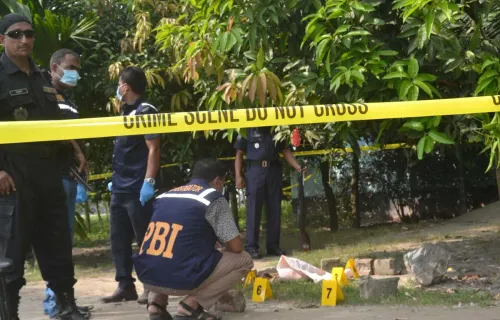
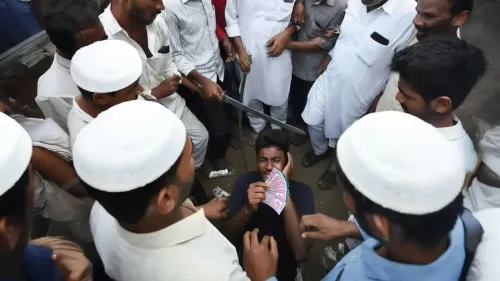
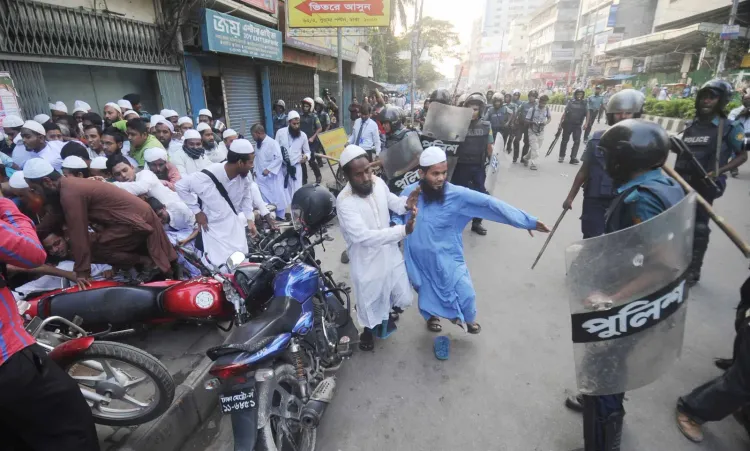
At least 74 people died in Bangladesh between April and June 2025 — 33 in mob attacks and 41 in political violence — while 970 others were injured, according to a quarterly report by Dhaka-based human rights organisation Odhikar. The findings, cited by Bangladesh's leading newspaper The Daily Star, paint a deeply troubling picture of eroding institutional trust and unchecked street justice across the country.
Mob Killings and the Justice Vacuum
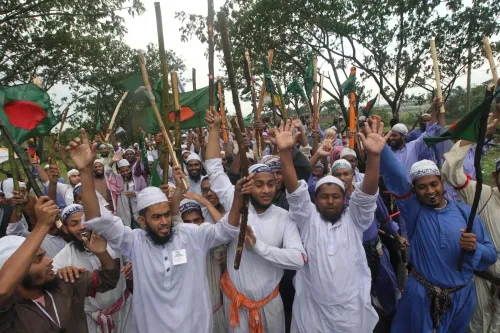
Odhikar's report found that most of the 33 mob-attack victims were beaten to death on suspicion of theft or robbery. Others were killed during informal village arbitration proceedings or over accusations of hurting religious sentiments. The rights body noted that these incidents reflect the persistent erosion of public trust in law enforcement and the formal justice system, driving communities to take the law into their own hands.
This pattern is not new to Bangladesh — mob justice has recurred across successive governments, often in areas where police presence is thin and court processes are seen as inaccessible or corrupt.
BNP Infighting Dominates Political Violence
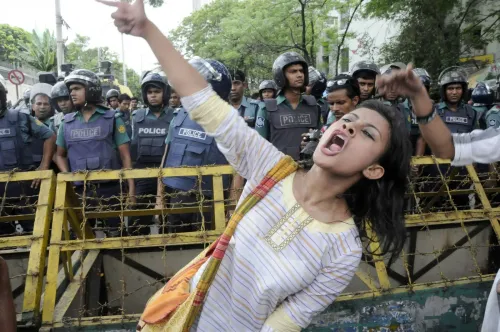
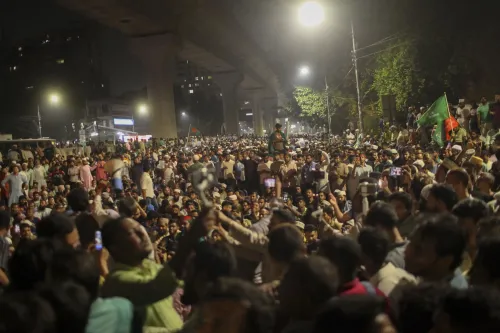
Of the 41 politically motivated deaths, a significant share stemmed from internal party conflict. The report recorded 57 incidents of intra-party clashes within the Bangladesh Nationalist Party (BNP), leaving 4 dead and 400 injured. A further two incidents within the National Citizen Party (NCP) left 16 people injured.
According to Odhikar, the BNP infighting was largely driven by disputes over extortion, territorial dominance, the sale of excavated soil, local election nominations, party conferences, and political programmes. Firearms and other lethal weapons were reportedly used in several of these incidents. The rights group further alleged that BNP leaders and activists were involved in a range of criminal activities — including land grabbing, abduction, rape, attacks on educational institutions and government offices, interference with police operations, and assaults on political opponents.
Rape, Prison Crisis, and Custodial Deaths
The report documented 255 rape victims during the quarter, comprising 93 women and 161 girls. Odhikar noted that justice in rape cases remains slow due to inadequate DNA testing facilities, delayed medical reports, the absence of legal protections for victims and witnesses, and severe court backlogs.
Bangladesh's 75 prisons held over 85,000 inmates as of 17 May, against a stated capacity of only 43,157 — nearly double the designed limit. Overcrowding, inadequate nutrition, and a shortage of doctors were cited as factors behind the deaths of 16 prisoners from illness during the quarter.
The report also documented three extrajudicial killings allegedly carried out by state agencies: one person was reportedly tortured to death by personnel from Bangladesh's Detective Branch, another was beaten to death during a Department of Narcotics Control operation, and a fisherman was allegedly shot dead by a Forest Department patrol team.
Press Freedom Under Pressure
Journalists were also targeted during the period, with 17 injured, five assaulted, four attacked, and seven threatened while performing their professional duties, according to the report.
Odhikar's Demands
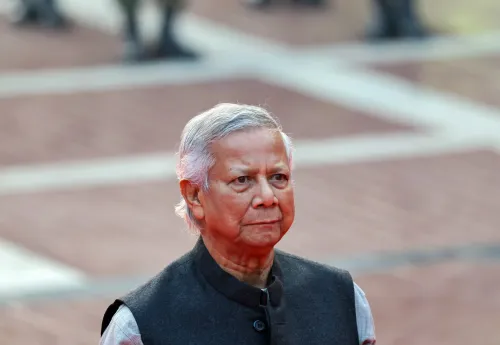
Odhikar has called for an independent probe into alleged extrajudicial killings, custodial torture, and other abuses by Bangladesh's law enforcement agencies, and demanded accountability for those responsible. The organisation's findings arrive at a time of heightened political uncertainty in Bangladesh, with institutional safeguards under strain. Whether the interim administration acts on these recommendations will be closely watched by regional human rights observers.
Point of View
A warning sign that should concern any future electoral calculus. The mob-killing figures, meanwhile, reveal something harder to fix: a population that has stopped believing courts or police will deliver outcomes. Bangladesh's prison system, running at nearly double capacity, is a rights crisis hiding in plain sight. The interim administration faces a choice between cosmetic reform and the kind of institutional overhaul these numbers demand.
NationPress
15 Sept 2026
Frequently Asked Questions
How many people were killed in Bangladesh's mob attacks and political violence in Q2 2025?
At least 74 people were killed in Bangladesh between April and June 2025 — 33 in mob attacks and 41 in political violence — while 970 others were injured, according to a quarterly report by human rights organisation Odhikar.
What caused the BNP infighting in Bangladesh?
The Bangladesh Nationalist Party's 57 internal clashes during the quarter were largely driven by disputes over extortion, territorial dominance, the sale of excavated soil, local election nominations, and party conferences, according to Odhikar. Firearms and lethal weapons were reportedly used in several incidents.
What is Odhikar and why does its report matter?
Odhikar is a Dhaka-based human rights organisation that publishes quarterly documentation of rights violations in Bangladesh. Its reports are widely cited by local and international observers as a benchmark for tracking mob violence, political clashes, custodial abuse, and press freedom conditions.
How overcrowded are Bangladesh's prisons?
Bangladesh's 75 prisons held over 85,000 inmates as of 17 May 2025, against a designed capacity of 43,157 — nearly double the limit. Overcrowding, inadequate nutrition, and a shortage of doctors contributed to the deaths of 16 prisoners from illness during the quarter.
What extrajudicial killings did the Odhikar report document?
The report documented three alleged extrajudicial killings by state agencies: one person reportedly tortured to death by Detective Branch personnel, another beaten to death during a Department of Narcotics Control operation, and a fisherman allegedly shot dead by a Forest Department patrol team. Odhikar has called for an independent investigation.