Bangladesh mob violence: 154 beaten to death in 2026 as lawlessness spreads
Synopsis
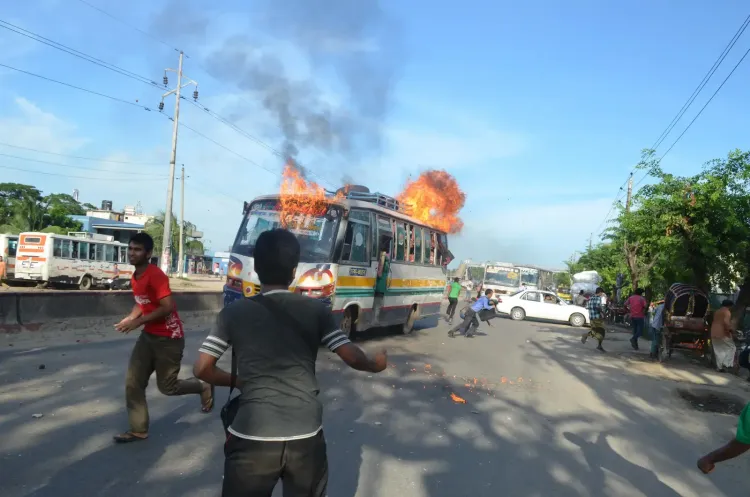
At least 154 people were beaten to death in mob violence across Bangladesh in just eight months of 2026 — a figure that captures the scale of an accountability crisis rooted in the July 2024 uprising. With police morale hollowed out and impunity unchecked, even journalists covering news are being attacked by crowds acting on unverified accusations.
Key Takeaways
At least 154 people were beaten to death in mob violence across Bangladesh between January and August 2026 , according to Ain o Salish Kendra (ASK) .
The trend of mob justice has persisted since the July 2024 uprising, continuing under both the interim administration and the current BNP -led government elected in February 2026 .
UN Special Rapporteur Irene Khan reportedly identified unchecked impunity as the key driver of mob violence in Bangladesh .
Journalist Rifat Alam Risan was attacked in December 2025 at Dhaka Medical College Hospital after a false accusation spread through a crowd.
Police preparedness has reportedly declined sharply since August 5, 2024 , according to journalist Jamal Ruhany .
Transparency International Bangladesh (TIB) documented mob-driven demand-making as an alarming systemic trend.
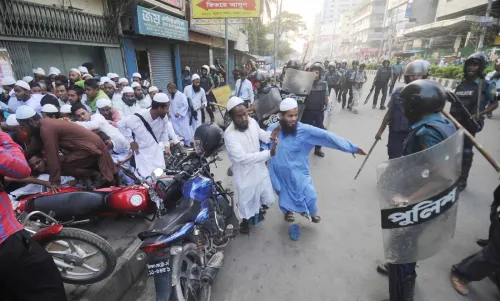
Bangladesh has been gripped by a worsening cycle of mob violence and institutional breakdown since the July 2024 political uprising, with at least 154 people beaten to death between January and August 2026, according to documentation by Ain o Salish Kendra (ASK), a Dhaka-based human rights organisation. The pattern reflects a deepening crisis of law enforcement and public accountability that has persisted across two successive governments.
Scale of the Crisis
Anti-corruption watchdog Transparency International Bangladesh (TIB) flagged an alarming and growing tendency among citizens to take the law into their own hands, evident both under the interim administration that assumed power after the 2024 upheaval and under the ruling Bangladesh Nationalist Party (BNP)-led government that took office following the February 2026 parliamentary elections. The findings were detailed in a report by Global Voices.
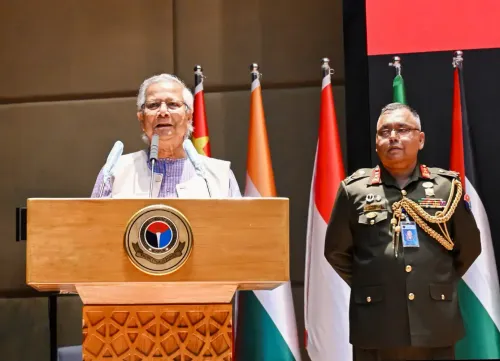
United Nations Special Rapporteur on freedom of expression Irene Khan has reportedly cited unchecked impunity as the primary driver of the trend, warning that the absence of accountability emboldens mob action.
Journalists Targeted: Firsthand Accounts
Broadcast journalist Rifat Alam Risan experienced the violence directly. In December 2025, he travelled to Dhaka Medical College Hospital to cover the shooting of radical Islamist leader Sharif Osman Bin Hadi in Dhaka. A member of the crowd falsely alleged that Risan himself was responsible for the shooting, and the accusation spread instantly.
'Someone said, ‘He shot Hadi, and now he has come back to attack us.’ The accusation spread through the crowd, and people who gathered around began attacking me without any judgment or consideration,' Risan told Global Voices in person in Dhaka on 20 September 2026.
'They beat me and forced me out of the hospital. At one point, I collapsed on the road, and they also tried to take my phone. I was eventually rescued by a fellow television reporter and other media workers who were there,' he added.
How Mob Violence Escalates: A Pattern Observed
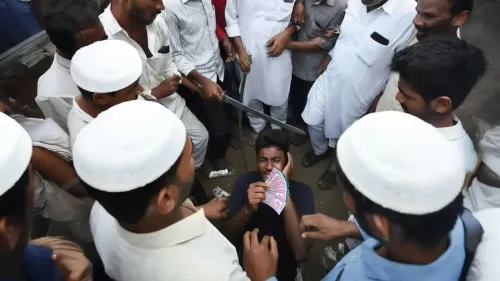
Broadcast journalist Jamal Ruhany, speaking to Global Voices, described a consistent behavioural pattern behind mob attacks. 'First, one or two people target a specific person. Once one or two people attack that person, many others nearby join in. The people doing the beating often do not even know whether the person is actually guilty, and the person being attacked may not even know what they are accused of. Someone simply says, ‘Beat him,’ and it happens,' Ruhany said.
The dynamic — accusation without evidence, violence without due process — reflects a collapse in public trust in formal legal mechanisms, analysts note. This is not an isolated surge; it represents a sustained shift in how disputes and accusations are resolved at street level.
Police Effectiveness Under Scrutiny
Ruhany also raised serious concerns about law enforcement readiness. 'The police no longer have the same morale they had before August 5. And in areas where mob violence occurs, the police are often not prepared. We do not see the police maintaining a constant state of preparedness,' he said.
The reference to August 5 points to the political rupture of 2024, which reportedly demoralised sections of the police force and disrupted institutional continuity. Critics argue that the BNP-led government has yet to rebuild police confidence or establish effective deterrence mechanisms against mob justice.
What Comes Next
With civil society organisations, UN officials, and journalists all independently documenting the same trend, pressure is mounting on Dhaka to deliver institutional reform. Whether the current government can restore police morale, enforce accountability for mob violence, and break the cycle of impunity will determine whether Bangladesh can reverse one of the most troubling legacies of its 2024 political upheaval.
Point of View
And it predates the current BNP government, meaning this is a structural problem, not a partisan one. What is striking is the consistency of testimony: journalists, civil society, and a UN rapporteur are all describing the same impunity loop, where accusation replaces evidence and crowd action replaces due process. Bangladesh’s police force appears to have lost not just capacity but legitimacy after the 2024 rupture — and no government has yet credibly addressed that. Without a visible accountability framework, the cycle will not break on its own.
NationPress
3 Oct 2026
Frequently Asked Questions
How many people have died in mob violence in Bangladesh in 2026?
At least 154 people were beaten to death in mob violence across Bangladesh between January and August 2026, according to documentation by Ain o Salish Kendra (ASK), a Dhaka-based human rights organisation. The figure underscores a sustained crisis of lawlessness rather than an isolated spike.
When did the rise in mob violence in Bangladesh begin?
The trend is traced to the July 2024 political uprising that toppled the previous government and installed an interim administration. It has continued under the BNP-led government elected in February 2026, suggesting the problem is systemic rather than tied to any single administration.
Why is the police unable to stop mob violence in Bangladesh?
Journalist Jamal Ruhany told Global Voices that police morale dropped sharply after August 5, 2024, and that officers in areas where mob violence occurs are frequently unprepared. The UN Special Rapporteur on freedom of expression, Irene Khan, has reportedly attributed the broader trend to unchecked impunity.
How are journalists being affected by mob violence in Bangladesh?
Broadcast journalist Rifat Alam Risan was attacked at Dhaka Medical College Hospital in December 2025 after a crowd member falsely accused him of being involved in the shooting of a radical Islamist leader. He was beaten, forced out of the hospital, and collapsed on the road before being rescued by media colleagues.
What has Transparency International Bangladesh said about the situation?
Transparency International Bangladesh (TIB) documented an alarming and growing tendency to form mobs to press demands, in its review of Bangladesh’s governance since the 2024 upheaval. The watchdog found the pattern persisted under both the post-2024 interim government and the current BNP-led administration.