15 killed in mob beatings in Bangladesh in October as justice failures persist
Synopsis
Fifteen people were killed in mob beatings in Bangladesh in October alone — yet official figures for the first nine months of 2026 show only 40 deaths, while independent rights groups counted up to 187. The chasm between government data and ground reality, combined with stalled prosecutions in high-profile cases, suggests institutional failure is actively enabling the violence.
Key Takeaways
At least 15 people were killed in mob beatings in Bangladesh in October 2026 alone, according to The Daily Star .
The Bangladesh Home Ministry recorded 40 deaths in 63 incidents between January and September 2026; independent groups Ain o Salish Kendra and HRSS counted 171 and 187 deaths respectively in the same period.
Home Minister Salahuddin Ahmed pledged firm action on 1 September , but critics say the assurances have had no measurable impact.
In the Tofazzal Hossain case at Dhaka University ( September 2024 ), only 6 of 22 accused have been arrested; no investigation report has been filed in the Shamim Ahmed case at Jahangirnagar University .
Rights activists warn that political and social justifications for mob violence, combined with impunity, are entrenching the cycle of killings.
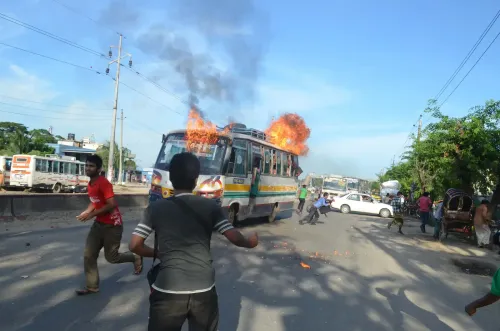
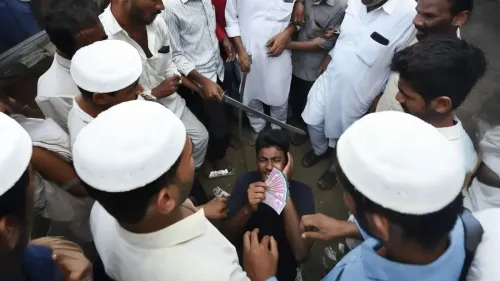
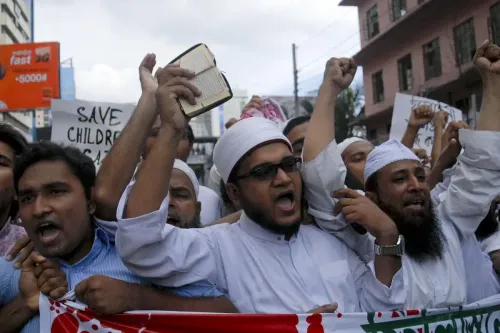
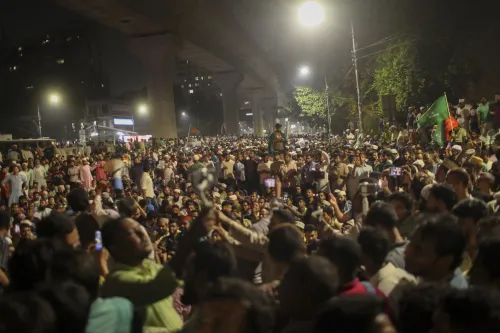
At least 15 people have been killed in mob beatings across Bangladesh in October 2026 alone, according to a report by leading Bangladeshi daily The Daily Star, which warned that the government's repeated pledges to curb such violence have done little to prevent the killings. The findings point to a deepening law-and-order crisis in the country, with rights organisations recording death tolls far higher than official figures.
Recent Incidents in Dhaka
The report highlighted two recent cases in Dhaka where individuals were beaten to death on suspicion of criminal activity. In the Jatrabari area of the capital, two pickup truck drivers — identified as Jony and Md Nishat — were allegedly beaten to death after being suspected of involvement in mugging. In a separate incident, Alam Sheikh, who had reportedly travelled to Dhaka in search of work and was said to have mental health issues, was beaten to death on the premises of Shaheed Suhrawardy Hospital after being suspected of being a kidnapper. 'These violent crimes reflect a dangerous disregard for the rule of law,' The Daily Star stated.
Stark Gap Between Official and Independent Data
A report released by the Bangladesh Home Ministry on 20 October recorded 40 deaths in 63 incidents of mob beating between January and September this year. The corresponding period last year had seen 63 people killed in 107 incidents, according to official figures. However, data compiled by independent rights organisations tells a significantly different story. Ain o Salish Kendra (ASK) documented 171 deaths in mob beatings during the first nine months of this year, while the Human Rights Support Society (HRSS) recorded 187 deaths and 401 injuries in 398 incidents. The newspaper noted that this wide discrepancy 'raises questions about the government's assessment of the problem.'
Government Assurances Falling Short
On 1 September, Home Minister Salahuddin Ahmed pledged to take firm action against mob violence, maintaining that existing legal provisions were sufficient to prosecute those involved. Critics argue those assurances have not translated into action. The Daily Star stated that 'the government's apparent failure to ensure justice in these cases is emboldening perpetrators and perpetuating the culture of mob violence.'
Justice Delayed in High-Profile Cases
The report also pointed to unresolved cases as evidence of systemic failure. Tofazzal Hossain was beaten to death at Dhaka University's Fazlul Huq Muslim Hall in September 2024 on suspicion of theft; while arrest warrants were issued against 22 accused, only six have been arrested so far. In another case, former Chhatra League leader Shamim Ahmed, also known as Shamim Molla, was killed at Jahangirnagar University in September 2024, yet no investigation report has been submitted to date. Rights activists have warned that a tendency to justify violence along social and political lines is fuelling such acts, and that when perpetrators believe they can evade punishment, mob violence becomes harder to contain.
What Rights Groups and The Daily Star Are Demanding
The Daily Star called for urgent government intervention, urging authorities to ensure every reported mob killing is promptly investigated, all those involved are identified, and effective prosecution follows. It also stressed the need for the government to reconcile its official figures with independent rights data to establish the true scale of the problem and formulate an effective policy response. As impunity persists and discrepancies in data go unaddressed, the prospect of meaningful accountability in Bangladesh's mob violence crisis remains uncertain.
Point of View
It cannot accurately diagnose the problem, let alone solve it. Bangladesh's Home Minister made a firm pledge in September; a month later, 15 more people were dead. The stalled prosecutions in the Dhaka University and Jahangirnagar cases send a loud signal to would-be perpetrators: mob justice carries low risk. Until the state closes that impunity gap — with arrests, convictions, and data transparency — its assurances will continue to be treated as exactly what they appear to be: rhetoric.
NationPress
1 Nov 2026
Frequently Asked Questions
How many people have been killed in mob beatings in Bangladesh in 2026?
According to independent rights organisations, the death toll is significantly higher than official records suggest. While the Bangladesh Home Ministry recorded 40 deaths in 63 incidents between January and September 2026, Ain o Salish Kendra documented 171 deaths and HRSS recorded 187 deaths in 398 incidents over the same period. An additional 15 people were reported killed in October 2026 alone.
Why is mob violence persisting in Bangladesh despite government pledges?
Rights activists and The Daily Star argue that delayed investigations, low arrest rates, and stalled prosecutions are emboldening perpetrators. Home Minister Salahuddin Ahmed pledged firm action in September 2026, but the killings have continued, suggesting enforcement has not matched the rhetoric.
What were the recent mob killing incidents highlighted in the report?
Two pickup truck drivers, Jony and Md Nishat, were allegedly beaten to death in Dhaka's Jatrabari area on suspicion of mugging. In a separate incident, Alam Sheikh — who reportedly had mental health issues — was beaten to death at Shaheed Suhrawardy Hospital after being suspected of kidnapping.
How do official and independent figures on mob violence in Bangladesh differ?
The Bangladesh Home Ministry recorded 40 deaths in 63 incidents from January to September 2026. In sharp contrast, Ain o Salish Kendra counted 171 deaths and the Human Rights Support Society recorded 187 deaths and 401 injuries in 398 incidents over the same period. The Daily Star said this discrepancy raises serious questions about the government's assessment of the problem.
What do rights groups and The Daily Star recommend to address mob violence?
The Daily Star has called on the Bangladesh government to ensure every reported mob killing is promptly investigated and effectively prosecuted. It also urged authorities to reconcile official data with independent figures to accurately gauge the scale of the problem and design a credible policy response.