Bangladesh mob violence surges in 2026: 537 incidents, 256 dead since January
Synopsis
Bangladesh has recorded 537 mob violence incidents in just the first ten months of 2026, with 256 dead — nearly triple the 2024 figure. From blasphemy lynchings to hospital land grabs allegedly linked to ruling BNP figures, the crisis has outlasted a government transition and is accelerating, with neither the Yunus interim administration nor the new BNP government having brought it under control.
Key Takeaways
Bangladesh recorded 537 mob violence incidents between 1 January and 17 October 2026 , leaving 256 dead and 575 injured , per the Human Rights Culture Foundation .
The figure is sharply higher than 428 incidents in 2025 and 169 in 2024 , marking a sustained year-on-year escalation.
Ain o Salish Kendra (ASK) separately recorded 171 deaths in mob violence from January to September 2026.
Violence has targeted shrines, newspaper offices, cultural organisations, and monuments linked to Bangladesh's 1971 Liberation War .
Ruling BNP leaders face accusations over a land-grab attack on a 50-year-old government maternity centre in Dhaka ; the party expelled several local leaders and forced a parliamentarian to resign.
Opposition Jamaat-e-Islami and its associates are under scrutiny over mob attacks linked to religious issues, including the killing of Wahiduzzaman Shamim in Satkhira .
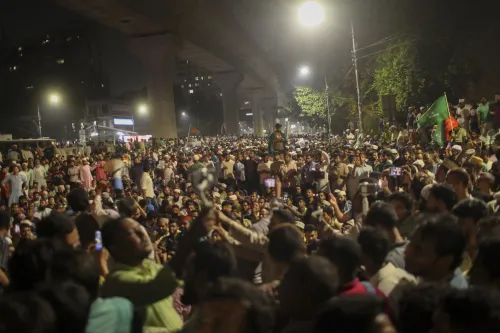
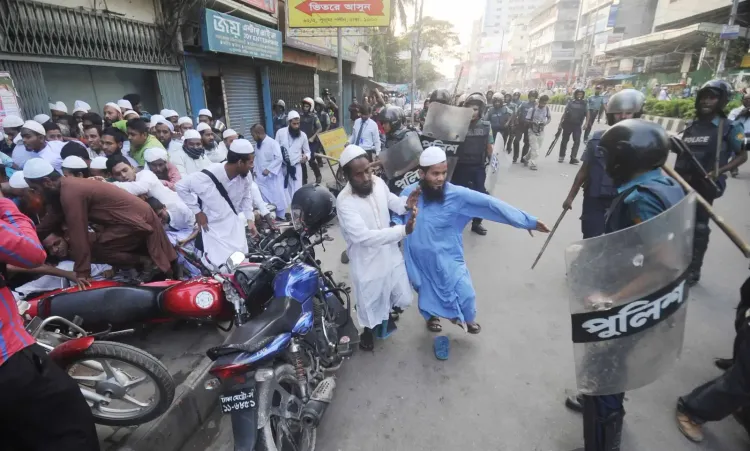
Bangladesh has recorded a sharp and sustained rise in mob violence in 2026, with 537 incidents logged between 1 January and 17 October leaving 256 people dead and 575 injured, according to data cited by The Diplomat from the Human Rights Culture Foundation. The surge marks a dramatic deterioration from 428 incidents in 2025 and 169 in 2024, pointing to a worsening public security crisis that has persisted across two governments.
A Pattern of Violence Since August 2024
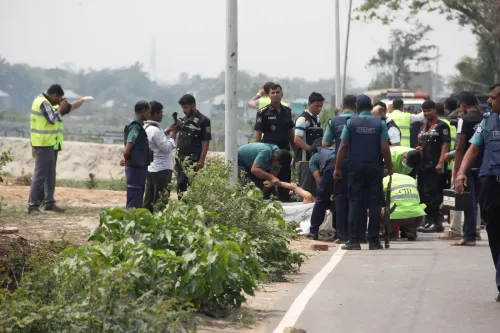
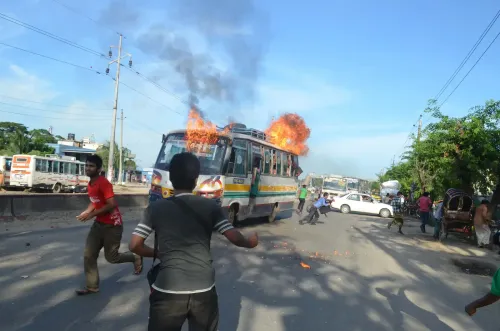
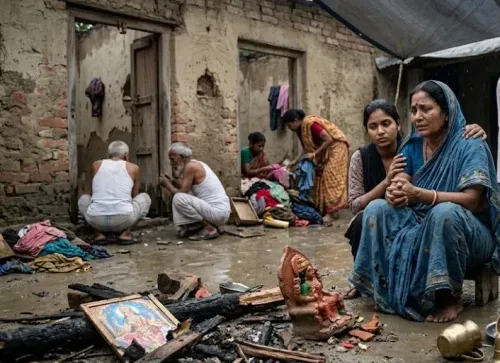
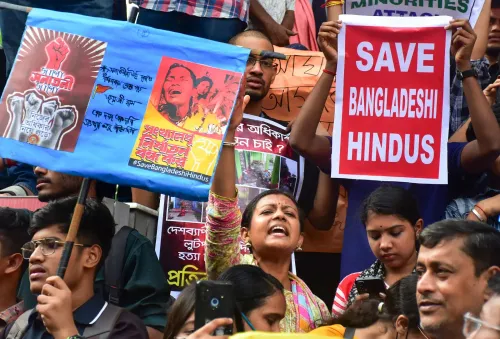
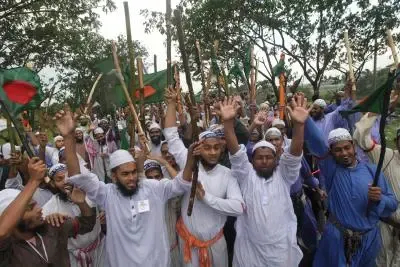
The escalation in mob attacks traces back to the fall of Sheikh Hasina's Awami League government on 5 August 2024. Since then, incidents have ranged from lynchings over blasphemy allegations to property grabs, personal vendetta-driven assaults, and attacks on shrines, newspaper offices, cultural organisations, and national monuments linked to Bangladesh's 1971 Liberation War. Reports have also noted the disturbing practice of exhuming bodies from graves.
Among the most recent cases was the killing of 38-year-old Wahiduzzaman Shamim in Satkhira, southwest Bangladesh, over blasphemy allegations — an incident The Diplomat described as emblematic of the broader crisis. Separately, a charitable maternity clinic in Dhaka was attacked, deepening public concern over the breakdown of civic order.
Data From Rights Bodies Tells a Consistent Story
Complementing the Human Rights Culture Foundation figures, the Dhaka-based rights organisation Ain o Salish Kendra (ASK) recorded 171 people killed in mob violence from 1 January to 30 September 2026, compared to 198 incidents in 2025 and 128 in 2024. While methodologies vary between organisations, the convergence of the data signals a grave and worsening trend. The Diplomat report noted: “Mob violence has become a grave public security crisis for Bangladesh. And it is not stopping.”
Failures Under the Yunus Interim Administration
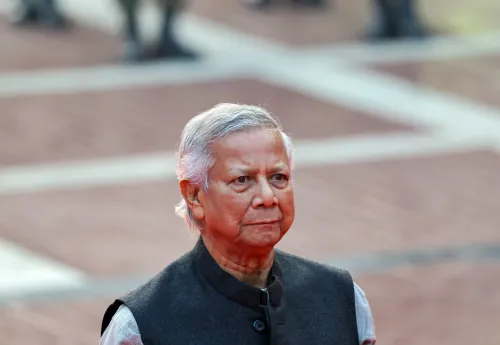
The report highlighted that the former interim administration led by Muhammad Yunus — which governed from August 2024 until February 2026 — failed to contain the deteriorating law and order situation during its tenure. Despite holding power through a critical transition period, the administration did not implement measures sufficient to stem the violence, according to the report.
BNP Government Faces Accusations Over Land Grabs
Although the Bangladesh Nationalist Party (BNP) formed an elected government in February 2026, incidents of mob violence have continued under its watch. Leaders and workers of the ruling BNP have reportedly been accused of involvement in property-grabbing incidents.
The most prominent case involved an attack on a 50-year-old government-run maternity centre in Dhaka — the sole medical facility serving women in a local slum — allegedly by a group of shopkeepers seeking to seize the hospital's land. The BNP subsequently expelled several local leaders implicated in the attack and forced a parliamentarian to resign, according to the report.
Jamaat-e-Islami's Role Under Scrutiny
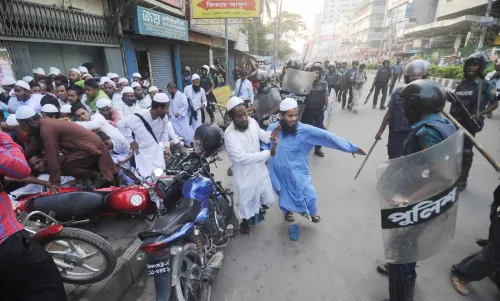
The report also raised questions about the role of the opposition Jamaat-e-Islami, described as Bangladesh's largest Islamist party, and its associates in mob violence connected to religious flashpoints. The killing of Wahiduzzaman Shamim “in the name of protecting Islam” was cited as one such example. Critics argue that political actors across the spectrum — from the ruling party to Islamist organisations — have yet to be held accountable for their alleged roles in enabling or instigating mob attacks.
With violence rising year-on-year and no credible accountability mechanism in place, Bangladesh's newly elected government faces mounting pressure to move beyond reactive measures and address the structural drivers of mob impunity.
Point of View
Accelerating across government transitions. The Yunus interim administration failed to address it; the BNP government has itself been implicated in one of the most egregious incidents. What the numbers from two independent rights bodies confirm is that impunity, not incitement, is the core problem: no political actor has faced meaningful accountability. Until Bangladesh builds a credible deterrence framework — one that does not exempt members of the ruling party — the data trajectory will only worsen.
NationPress
31 Oct 2026
Frequently Asked Questions
How bad is mob violence in Bangladesh in 2026?
Bangladesh recorded 537 incidents of mob violence between 1 January and 17 October 2026, resulting in 256 deaths and 575 injuries, according to the Human Rights Culture Foundation. This is a sharp rise from 428 incidents in 2025 and 169 in 2024, marking an accelerating crisis.
What triggered the surge in mob violence in Bangladesh?
The escalation is traced to the fall of Sheikh Hasina's Awami League government on 5 August 2024, which created a power vacuum exploited for land grabs, personal vendettas, and religiously motivated attacks. Neither the subsequent Yunus interim administration nor the current BNP government has effectively stemmed the violence, according to the report in The Diplomat.
Is the ruling BNP government linked to any of these incidents?
Yes — BNP leaders and workers have been accused of involvement in property-grabbing incidents. The most significant case involved an attack on a 50-year-old government maternity centre in Dhaka, allegedly by shopkeepers seeking to seize its land. The BNP expelled several local leaders and forced a parliamentarian to resign in connection with the incident.
What role does Jamaat-e-Islami play in the violence?
Questions have been raised about the opposition Jamaat-e-Islami — Bangladesh's largest Islamist party — and its associates in mob attacks linked to religious flashpoints. The killing of 38-year-old Wahiduzzaman Shamim in Satkhira over blasphemy allegations is cited as a prominent example in the report.
Which rights organisations are tracking Bangladesh mob violence?
Two Dhaka-based organisations — the Human Rights Culture Foundation and Ain o Salish Kendra (ASK) — are tracking the data. Their figures differ slightly due to varying methodologies, but both point to a consistent and worsening trend of mob violence across Bangladesh.