Bangladesh minorities face 257 attacks in H1 2026, 44 killed: rights body
Synopsis
A minority rights body in Bangladesh has recorded 257 communal violence incidents in just six months of 2026 — killing 44 people and displacing hundreds more. With 2,055 incidents logged since August 2024 and two successive governments accused of inaction, the figures point to a deepening crisis that neither the Yunus-era interim administration nor the current BNP government has meaningfully addressed.
Key Takeaways
The Bangladesh Hindu Buddhist Christian Unity Council documented 257 incidents of communal violence in January–June 2026 , resulting in 44 deaths .
Incidents included 62 attacks on places of worship , 47 attacks on homes and businesses , 5 cases of violence against women , and 10 abductions or extortion cases .
Between August 2024 and June 2026 , a cumulative 2,055 incidents targeted minority homes and business establishments.
The Council demanded the release of imprisoned Hindu leader Chinmoy Krishna Das , held since November 2024 , and condemned the arrest of Haridas Chandra Tarani Das .
The organisation alleged arbitrary dismissal of minority employees under the former Muhammad Yunus -led interim government, with 'no meaningful remedial measures' under the current BNP administration.
An eight-point demand was placed before the government, calling for zero tolerance on communal violence and stronger legal protections for minorities.
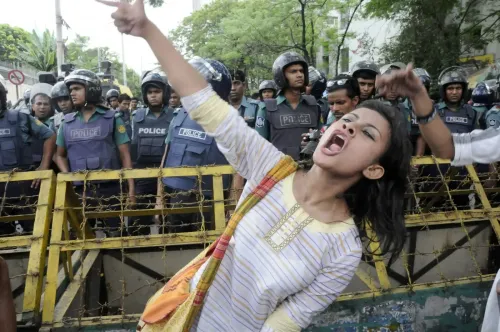
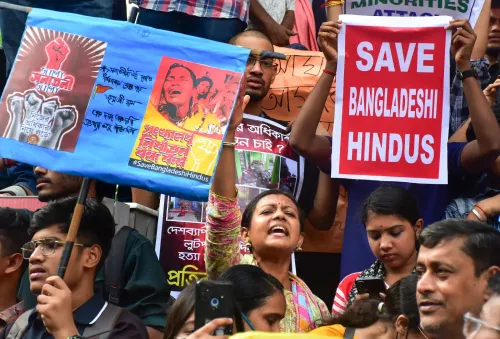
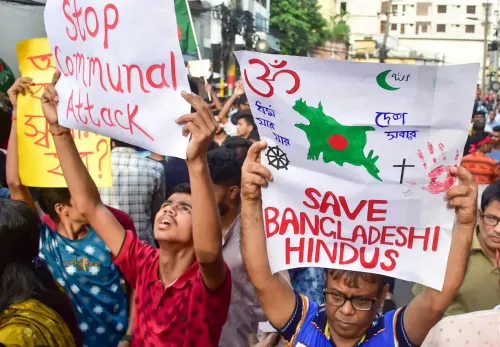
A leading minority rights organisation in Bangladesh has documented at least 257 incidents of communal violence in the country during the first half of 2026, resulting in 44 deaths — with attacks on places of worship, land seizures, and violence against women among the categories recorded. The findings were presented at the National Press Club in Dhaka on Monday, 28 July 2026, by the Bangladesh Hindu Buddhist Christian Unity Council.
Key Findings from the Report
According to the Council's Acting General Secretary, Monindra Kumar Nath, the 257 documented incidents break down as follows: 40 cases resulted in 44 deaths; 5 incidents involved violence against women, including rape and gang rape; and 10 cases involved abduction, extortion, and torture.
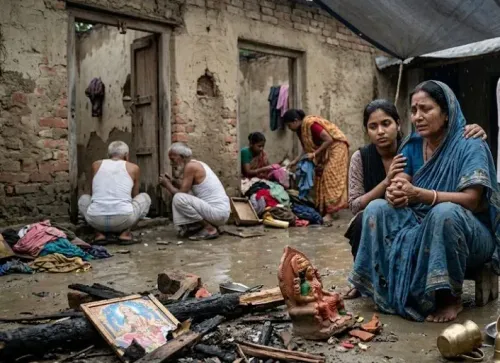
The report further catalogued 42 cases of attacks, death threats, and physical abuse against minorities; 62 attacks on places of worship — including idol vandalism, looting, and arson; 15 cases involving occupation or attempted occupation of land belonging to religious institutions; and 47 incidents targeting homes and business establishments. An additional 9 incidents involved arrests and harassment on blasphemy allegations, 21 cases involved forcible occupation of homes, land, and business properties, and 6 incidents were categorised as other forms of communal violence.
A Worsening Pattern Since August 2024
The Council noted that the overall pattern of violence had remained 'largely unchanged' compared with 2025, but said that 2026 witnessed increases specifically in killings, attacks on places of worship, idol vandalism, looting, arson, threats, physical assaults, and attempts to seize land belonging to religious institutions.
Between August 2024 and June 2026, a total of 2,055 incidents affected homes and business establishments of minority communities across Bangladesh. The organisation said these incidents have caused widespread displacement, prolonged economic hardship, growing communal mistrust, and declining confidence in the rule of law.
Specific Cases the Council Raised
The Council criticised the arrest of Haridas Chandra Tarani Das, who had proposed the construction of an 81-foot-tall statue of Lord Ram within the premises of the Sri Sri Radha Govinda and Kali Temple in Palashbari upazila of Gaibandha district. It described his detention as 'inconsistent with religious freedom and the rule of law.'
The Council also reiterated its demand for the release of Chinmoy Krishna Das, a prominent Hindu leader and spokesperson of Bangladesh Sammilito Sanatani Jagaran Jote, who has been imprisoned since November 2024.
Allegations Against Successive Governments
The organisation alleged that under the former Muhammad Yunus-led interim government, large numbers of minority employees — particularly from the Hindu community, and especially teachers — were reportedly dismissed or removed from service arbitrarily. It expressed regret that 'no meaningful remedial measures' have yet been taken under the current Bangladesh Nationalist Party (BNP) government.
Eight-Point Demand and the Road Ahead
The Council urged the Bangladesh government to immediately recognise religious and ethnic minorities and indigenous peoples as 'highly vulnerable communities,' adopt effective security measures, and declare a policy of zero tolerance toward communal violence. It placed an eight-point demand calling for stronger legal and institutional safeguards to protect minority rights.
With violence figures rising year-on-year and two successive governments accused of inaction, international rights observers are likely to face growing pressure to formally engage Dhaka on minority protections.
Point of View
But the more revealing number is 2,055 — the cumulative toll since August 2024, spanning two governments that have each been accused of inaction. The pattern suggests this is not episodic unrest but a structural failure of minority protection in Bangladesh. What is particularly notable is the Council's willingness to name both the Yunus-era interim administration and the current BNP government as having fallen short — a signal that the crisis transcends partisan politics. Without an independent monitoring mechanism and credible prosecutions, eight-point demands risk becoming a ritual of documentation without consequence.
NationPress
26 Oct 2026
Frequently Asked Questions
How many communal violence incidents were recorded in Bangladesh in the first half of 2026?
The Bangladesh Hindu Buddhist Christian Unity Council documented at least 257 incidents of communal violence between January and June 2026, resulting in 44 deaths. The incidents included attacks on places of worship, violence against women, abductions, and land seizures.
Who is Chinmoy Krishna Das and why is his release being demanded?
Chinmoy Krishna Das is a prominent Hindu leader and spokesperson of Bangladesh Sammilito Sanatani Jagaran Jote who has been imprisoned since November 2024. The Bangladesh Hindu Buddhist Christian Unity Council has repeatedly demanded his release, describing his detention as part of a broader pattern of targeting minority community leaders.
What is the cumulative scale of minority violence in Bangladesh since August 2024?
According to the Council, a total of 2,055 incidents affected homes and business establishments of minority communities between August 2024 and June 2026. The organisation says these incidents have caused widespread displacement, economic hardship, and a breakdown of interfaith harmony.
What has the BNP government done to address minority violence in Bangladesh?
The Council expressed regret that 'no meaningful remedial measures' have been taken under the current Bangladesh Nationalist Party (BNP) government. It urged the administration to declare zero tolerance toward communal violence and recognise minorities as highly vulnerable communities requiring special legal protections.
What are the eight-point demands placed by the Bangladesh Hindu Buddhist Christian Unity Council?
The Council's eight-point demand calls for stronger legal and institutional measures to protect minority rights and security, immediate recognition of religious and ethnic minorities as highly vulnerable communities, and a formal zero-tolerance policy on communal violence. Specific details of all eight points were not disclosed at the press conference.