Bangladesh minority violence surges post-election: 505 incidents in 4 months
Synopsis
More than 505 incidents of violence against minorities were documented across Bangladesh in just four months following the February 2025 elections — killings, temple attacks, sexual violence, and land grabs spanning all eight divisions. With Jamaat-e-Islami holding nearly a third of the vote and the BNP government yet to act, rights groups warn Bangladesh is sliding into a dangerous climate of impunity.
Key Takeaways
505 incidents of minority violence were documented across 62 districts in Bangladesh between January and April 2025 , per HRCBM data.
95 temple attacks and acts of religious vandalism were recorded across 43 districts .
28 incidents of sexual violence, including rape and gang rape, were reported across 23 districts .
Violence has intensified since the February 2025 elections and the ouster of former PM Sheikh Hasina .
Jamaat-e-Islami secured just under a third of the vote; community leaders say attacks are concentrated in Jamaat-dominated areas.
Justice Makers Bangladesh in France (JMBF) has called for an independent judicial commission, a Minority Protection Act , and an independent Minority Commission .
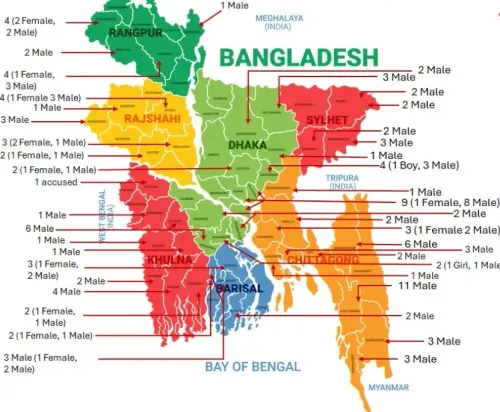
Violence against religious and ethnic minorities in Bangladesh has sharply escalated following the country's February 2025 elections, with rights organisations documenting over 505 incidents across 62 districts between January and April, according to reports by the Human Rights Congress for Bangladesh Minorities (HRCBM). The pattern of attacks — spanning physical assaults, temple vandalism, sexual violence, and land grabbing — has drawn condemnation from international human rights bodies.
Scale of the Violence
The Human Rights Congress for Bangladesh Minorities (HRCBM) documented 505 incidents spanning all eight divisions of Bangladesh. These included killings and suspicious deaths, physical assaults, kidnappings, sexual violence, attacks on temples and religious institutions, land grabbing, arson, looting, intimidation, and blasphemy-related persecution.
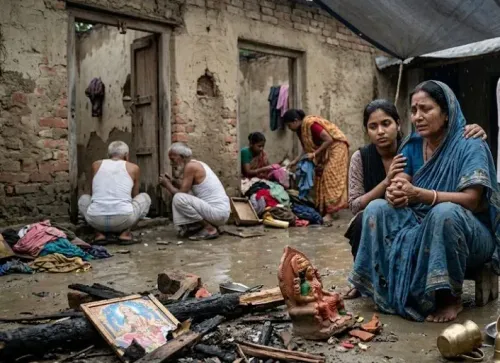
Notably, 95 incidents of temple attacks and religious vandalism were recorded across 43 districts, while 28 incidents of sexual violence — including rape and gang rape — were documented across 23 districts. Six blasphemy-related incidents were also reported across six districts, according to the rights body.
Post-Election Context
Bangladesh held its first elections after the ouster of former Prime Minister Sheikh Hasina, who had maintained a zero-tolerance stance toward Islamism. Since her removal from power, both Christians and Hindus have reported a marked increase in attacks — particularly targeting those who have converted from Islam, according to a report in Christian Today.
The Bangladesh Nationalist Party (BNP) won the elections, but Jamaat-e-Islami still secured just under a third of the vote. Community leaders have reported that violence has been especially concentrated in areas where Jamaat-e-Islami holds significant influence. Since the February election, more than 50 incidents have been reported, according to Open Doors UK and Ireland, which monitors persecution of Christians globally.
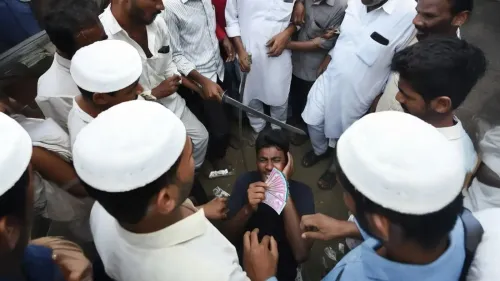
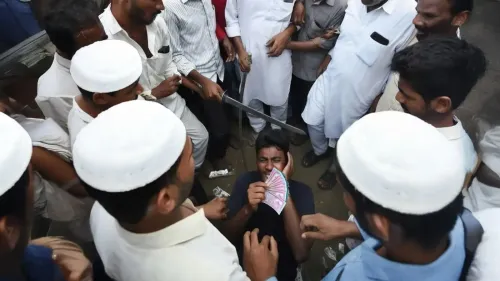
Among the documented attacks, a Catholic priest was robbed of his passport and the equivalent of approximately £1,000 and assaulted at St. Eugene de Mazenod in Dhaka.
International Condemnation
Justice Makers Bangladesh in France (JMBF) on Monday strongly condemned what it described as an 'alarming and systematic wave of violence' against minority communities. Shahanur Islam, JMBF founder and President, said: 'These widespread and coordinated violations reflect a dangerous climate of intolerance, discrimination, and institutional failure that threatens the fundamental principles of human rights, equality, secularism, and the rule of law in Bangladesh. The situation is deteriorating day by day, and unfortunately, the current BNP-led government has failed to take effective measures to prevent violence and ensure protection for religious and ethnic minority communities.'
Demands and Recommendations
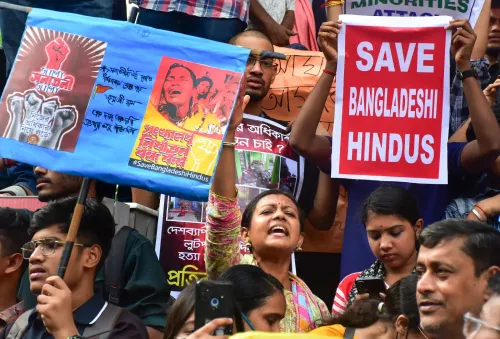
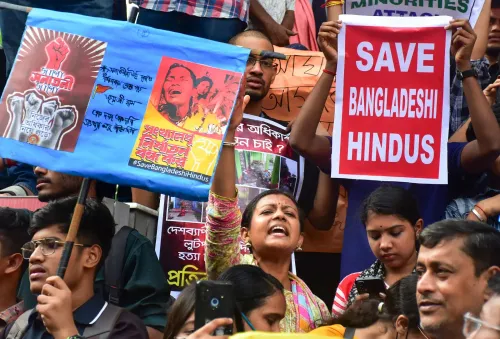
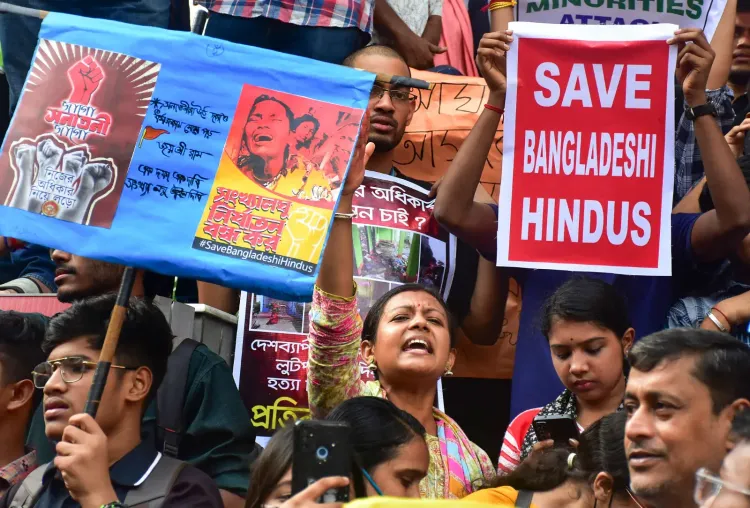
In March, Hindu and Christian leaders held a protest in Dhaka, calling on the BNP government to guarantee minority protections. The JMBF has called on the Bangladesh government to immediately establish an independent judicial commission to investigate all reported incidents. It has also urged the enactment of a Minority Protection Act and the creation of an independent Minority Commission to safeguard the rights and dignity of all religious and ethnic minorities.
The rights body further appealed for accountability for perpetrators regardless of political affiliation, and for urgent protection, compensation, and rehabilitation for victims and affected communities. With no independent commission yet constituted, observers warn the situation could worsen ahead of any political realignment.
Point of View
And that distinction matters. Bangladesh's post-Hasina transition was always going to test the state's capacity to protect minorities, but the BNP government's inaction in the face of documented temple attacks, sexual violence, and land grabs suggests either complicity or paralysis. Jamaat-e-Islami's near-third vote share gives it structural leverage that the ruling party appears unwilling to confront. Without an independent judicial commission and a statutory Minority Protection Act, accountability will remain selective — and the violence will continue to be treated as a law-and-order problem rather than the systemic rights crisis it is.
NationPress
19 Sept 2026
Frequently Asked Questions
How many incidents of minority violence have been reported in Bangladesh in 2025?
The Human Rights Congress for Bangladesh Minorities (HRCBM) documented 505 incidents across 62 districts spanning all eight divisions of Bangladesh between January and April 2025. These included killings, physical assaults, temple attacks, sexual violence, land grabbing, arson, and blasphemy-related persecution.
Why has minority violence increased in Bangladesh after the elections?
Violence against minorities escalated following the February 2025 elections and the earlier ouster of former Prime Minister Sheikh Hasina, who had maintained a zero-tolerance policy toward Islamism. Rights groups say the political vacuum and Jamaat-e-Islami's influence in certain regions have contributed to a climate of impunity.
Which communities are being targeted in Bangladesh?
Hindus and Christians are the primary targets, with attacks particularly severe against those who have converted from Islam, according to reports. Indigenous communities are also among those affected, according to the JMBF condemnation.
What has Justice Makers Bangladesh in France demanded?
JMBF has called on the Bangladesh government to establish an independent judicial commission to investigate all reported incidents, enact a Minority Protection Act, and set up an independent Minority Commission. It has also demanded accountability for perpetrators regardless of political affiliation.
What role does Jamaat-e-Islami play in the violence?
Community leaders say violence has been especially concentrated in areas where Jamaat-e-Islami holds significant influence. The party secured just under a third of the vote in the February 2025 elections, giving it substantial political leverage despite the BNP's overall victory.