Bangladesh minorities face 505 violence incidents in 4 months: HRCBM report
Synopsis
A leading minority rights body has documented 505 incidents of violence against Bangladesh's minority communities in just four months — spanning murder, temple attacks, rape, and land grabbing across all 8 divisions. With a second organisation independently recording 133 incidents in the same period, the data points to a structural crisis that has outlasted multiple governments.
Key Takeaways
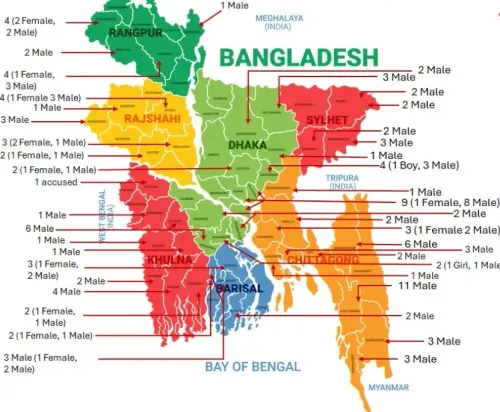
The HRCBM recorded 505 incidents of minority violence across 62 districts and all 8 divisions of Bangladesh between January and April 2026 .
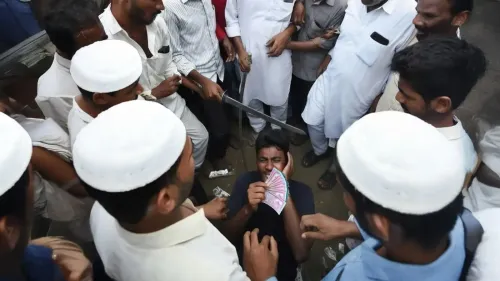
Violations included 100 murders and suspicious deaths , 144 kidnappings and assaults , 95 temple attacks , and 28 cases of sexual violence .
The HRCBM cited persistent failures including delayed response, weak investigations, and intimidation of victims by authorities.
The Bangladesh Hindu Buddhist Christian Unity Council separately documented 133 communal incidents between January and March 2026 , including 25 killings .
Violence has reportedly continued under both the former Muhammad Yunus -led interim government and the current BNP administration.
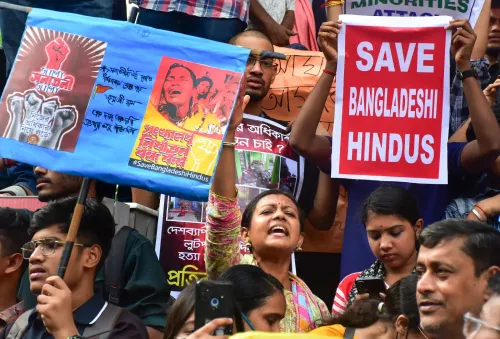
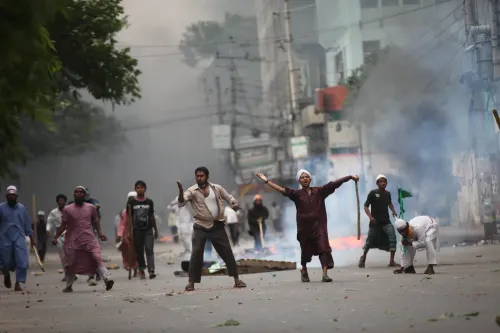
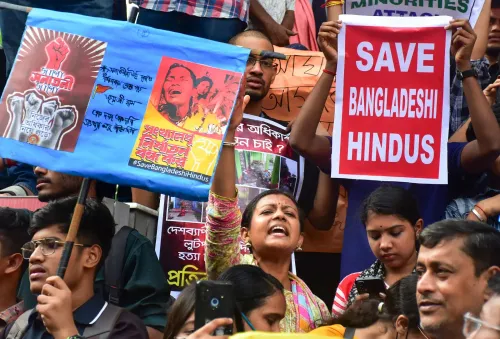
The Human Rights Congress for Bangladesh Minorities (HRCBM) on Thursday, 21 May 2026, documented 505 incidents of violence against minority communities across Bangladesh between January and April 2026, raising urgent alarm over what it describes as a systematic and recurring pattern of persecution. The incidents span 62 districts and all 8 divisions of the country.
Scale and Scope of Documented Violations
The HRCBM report, titled The Persecution Continues: Minority Communities Under Sustained Attack in Bangladesh, breaks down the 505 incidents into six major categories. The largest share comprised 144 cases of kidnapping and physical assault, followed by 132 incidents of property attacks, including land grabbing, arson, and looting. 100 cases of murder and suspicious death were also recorded.
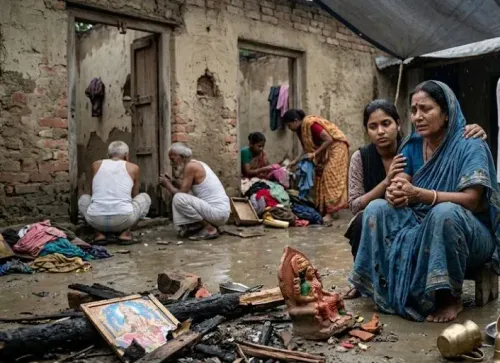
Additionally, the report documented 95 temple attacks and incidents of religious violence, 28 cases of sexual violence — including rape and gang rape — and 6 blasphemy-related incidents. The breadth of categories signals that the violence is not confined to any single form of persecution.
HRCBM: A Pattern of Institutional Failure
The organisation was pointed in its criticism of the Bangladeshi state's response. According to the report, the documented incidents 'reveal a continuing failure of protection, accountability, and equal access to justice for vulnerable minority communities.' The HRCBM flagged recurring concerns including delayed law enforcement response, weak investigations, intimidation of victims and their families, and 'lack of visible accountability in many cases.'
This is not the first such alarm raised in 2026. In April, the Bangladesh Hindu Buddhist Christian Unity Council separately documented 133 incidents of communal violence between 1 January and 31 March 2026, citing media reports. That tally included 25 killings, 4 incidents of rape and violence against women, 35 temple attacks and looting incidents, and 69 other incidents targeting indigenous communities.
Political Context and Escalating Trend
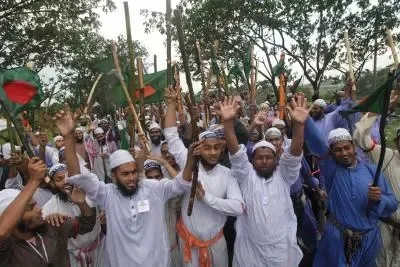
The violence against minorities — including Hindus, Buddhists, and Christians — reportedly escalated during the eighteen-month tenure of the former Muhammad Yunus-led interim government, drawing condemnation from human rights organisations internationally. The recurring incidents have continued under the Bangladesh Nationalist Party (BNP) government, according to the HRCBM, underscoring what critics describe as a deepening structural problem rather than episodic unrest.
Notably, the combined figures from both organisations — the HRCBM's 505 incidents and the Unity Council's 133 — suggest overlapping but independently corroborated documentation of a crisis that has persisted across successive administrations.
What Comes Next
Human rights groups are calling on Bangladeshi authorities to establish credible accountability mechanisms and ensure equal access to justice for minority communities. With national elections having recently concluded, pressure is mounting on the BNP government to demonstrate a measurable shift in its protection of vulnerable communities. International observers and diaspora organisations are expected to intensify scrutiny in the months ahead.
Point of View
And the numbers are damning regardless of which tally you use. What is striking is not just the scale — 505 incidents across every division of the country — but the consistency of the institutional failures cited: delayed police response, intimidated victims, and absent accountability. This pattern has persisted across the Yunus interim period and now into the BNP government, which suggests the problem is structural, not incidental. Bangladesh's international partners, including those who backed the political transition, face a credibility test: continued silence on minority protection risks making them complicit in a documented crisis.
NationPress
14 Oct 2026
Frequently Asked Questions
How many incidents of minority violence were recorded in Bangladesh in 2026?
The HRCBM documented 505 incidents of violence against minority communities across Bangladesh between January and April 2026, spanning 62 districts and all 8 divisions. A separate organisation, the Bangladesh Hindu Buddhist Christian Unity Council, independently recorded 133 communal incidents in the January–March 2026 period.
What types of violence were documented in the HRCBM report?
The report covers six categories: 144 kidnappings and physical assaults, 132 property attacks including arson and land grabbing, 100 murders and suspicious deaths, 95 temple attacks and religious violence incidents, 28 cases of sexual violence including rape and gang rape, and 6 blasphemy-related incidents.
Which minority communities are affected in Bangladesh?
The violence primarily affects religious and ethnic minority communities, including Hindus, Buddhists, Christians, and indigenous communities. The HRCBM describes the pattern as affecting minority communities broadly across the country rather than being localised to specific regions.
What does the HRCBM say about the government's response?
The HRCBM has criticised Bangladeshi authorities for a 'continuing failure of protection, accountability, and equal access to justice.' The organisation specifically flagged delayed law enforcement response, weak investigations, and intimidation of victims or their families as recurring concerns.
Has minority violence in Bangladesh been reported under previous governments as well?
Yes. According to reports, violence against minorities escalated during the eighteen-month tenure of the former Muhammad Yunus-led interim government. The HRCBM states that recurring incidents have continued under the current BNP government, indicating the problem spans successive administrations.