Blasphemy charges weaponised against Bangladesh minorities, 17 cases in 6 months: Rights body
Synopsis
A rights body has documented 17 blasphemy cases against Bangladesh's minorities in just six months — and warns the pattern is the same every time: a social media post, a mob, an arrest, and collective punishment before a single byte of forensic evidence is examined. With 73 minority youths arrested last year alone, the HRCBM is calling it a national emergency.
Key Takeaways
The Human Rights Congress for Bangladesh Minorities (HRCBM) documented 17 blasphemy-related cases against minorities between January and June 2025 .
Hindu minority youth Dipto Ray of Tahirpur upazila, Sunamganj district , is the latest accused; his family and eyewitnesses say the allegation was false.
HRCBM found the FIR materials did not establish forensic proof that Dipto authored or posted the alleged content at the time of arrest.
The rights body previously reported 73 minority youths arrested in Bangladesh under blasphemy allegations in the prior year.
HRCBM has called on the Bangladesh government , the UN , diplomatic missions, and social media companies to treat blasphemy misuse as a 'national minority-protection emergency.'
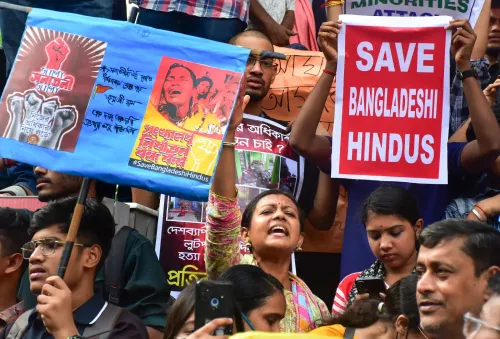
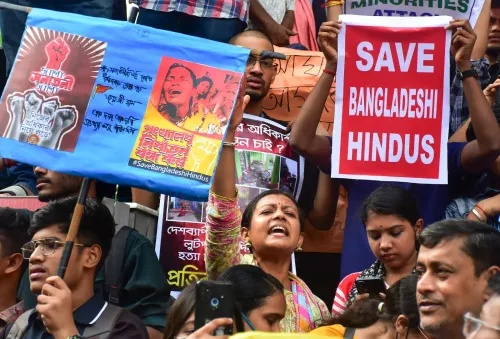
A leading minority rights organisation has warned of a systematic pattern of blasphemy accusations being deployed as a weapon against religious minorities in Bangladesh, documenting 17 such cases between January and June 2025. The Human Rights Congress for Bangladesh Minorities (HRCBM) issued the warning on Saturday, 4 July, citing the latest case involving Hindu minority youth Dipto Ray from Tahirpur upazila in Sunamganj district as emblematic of a broader crisis.
The Tahirpur Case
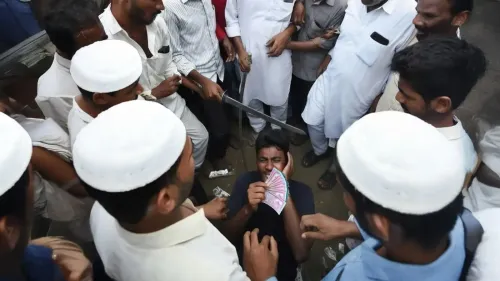
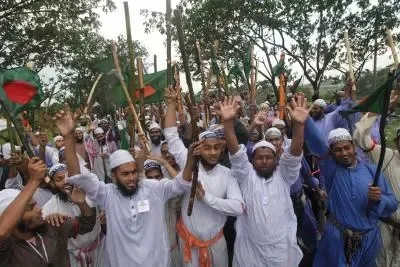
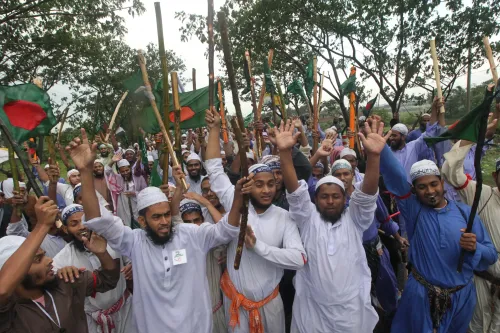
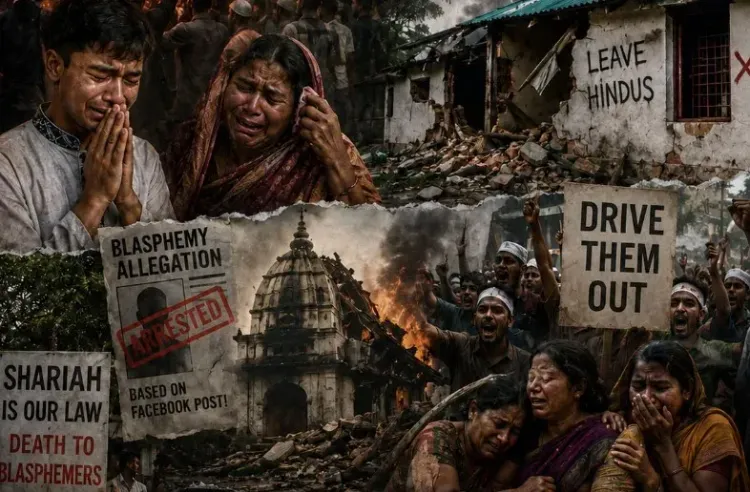
According to HRCBM, the case against Dipto Ray follows a now-familiar sequence: a social media allegation surfaces, a crowd assembles, police move swiftly against the accused, and — before any digital forensic examination is completed — homes, shops, temples, and entire families are plunged into fear. The victim's family and eyewitnesses, as cited by the rights body, maintained that the allegation was 'false and made on a pretext.'
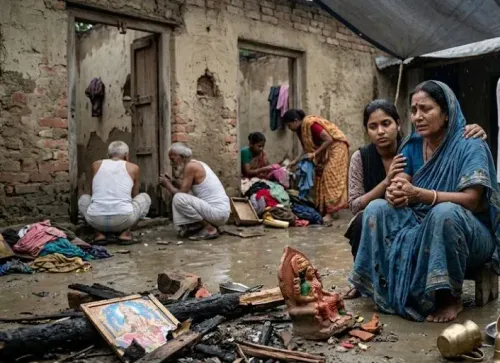
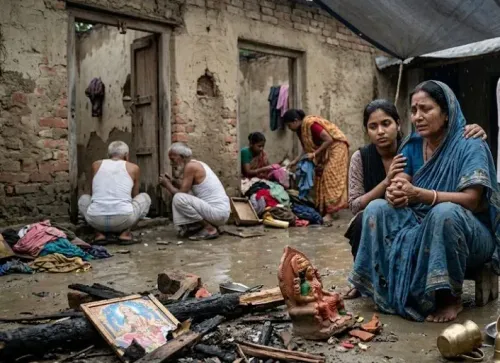
Reviewing the First Information Report (FIR) materials, HRCBM said the case involves an alleged social media post, police custody, seizure of a mobile phone, and legal provisions under Bangladesh's Penal Code and cyber-related law. Critically, the rights body noted that the FIR materials did not appear to establish, at the time of arrest, forensic proof that Dipto personally authored, posted, controlled, or intended the alleged content. According to accounts from the family and eyewitnesses, the accusation triggered public pressure and attacks that damaged the youth's family home, livelihood, and a local religious site.
A Recurring Mechanism, Not an Isolated Incident
HRCBM was unequivocal in its characterisation of the pattern. 'For Bangladesh's minorities, this is no longer an isolated episode. It has become a recurring mechanism of social destruction,' the organisation stated. It further noted that over the years, hundreds of minority youths and families in Bangladesh have reportedly suffered from blasphemy allegations made on 'false, manipulated, hacked, impersonated, or otherwise unverified digital pretexts.'
The rights body had previously reported that 73 minority youths were arrested in Bangladesh last year under blasphemy allegations — a figure that contextualises the 17 cases already logged in just the first half of 2025.
The Human Rights Crisis at the Core
HRCBM stressed that the deeper issue is not simply whether offensive content was posted, but that an accusation alone functions as a form of punishment. 'Before a court determines facts, before forensic specialists verify whether an account was hacked, impersonated, manipulated, or falsely attributed, the accused may be taken into custody, family members may be threatened, property may be attacked, and a local minority community may be collectively terrorised,' the organisation stated.
This pre-conviction punishment cycle, critics argue, renders due process effectively meaningless for minority communities facing mob pressure. The pattern also raises questions about the speed with which law enforcement responds to social media allegations versus the pace of forensic scrutiny applied to the underlying evidence.
Calls for Emergency Action
HRCBM has called on the government of Bangladesh, police authorities, the judiciary, the National Human Rights Commission, UN human rights mechanisms, diplomatic missions, international digital rights organisations, and social media companies to treat the misuse of blasphemy allegations as a 'national minority-protection emergency.'
'The Tahirpur case should not disappear as another local incident. It should become a warning. In Bangladesh today, a single accusation can destroy a minority youth's life, endanger a family, damage a temple, and place an entire community under siege. Until the state breaks this cycle, blasphemy allegations will remain not only a legal issue but also a mechanism of fear, displacement, economic destruction, and collective punishment,' the rights body stressed. The international community's response — or absence of one — in the weeks ahead will test whether these warnings carry any weight.
Point of View
Not a policing anomaly. What is striking is the sequencing: mob pressure precedes forensic examination every time, which means the legal process is effectively being used to ratify extrajudicial punishment. Bangladesh's cyber laws, designed ostensibly to curb online harm, appear to be functioning as an accelerant for minority persecution when wielded without evidentiary standards. The international community's silence on this pattern, given its scale and consistency, is itself a form of complicity that the HRCBM's emergency declaration is designed to break.
NationPress
3 Oct 2026
Frequently Asked Questions
What is the HRCBM and what has it reported about Bangladesh?
The Human Rights Congress for Bangladesh Minorities (HRCBM) is a minority rights organisation that has documented 17 blasphemy-related cases against religious minorities in Bangladesh between January and June 2025. It warns that blasphemy accusations are being systematically misused as a tool of social destruction against minority communities.
Who is Dipto Ray and what happened in the Tahirpur case?
Dipto Ray is a Hindu minority youth from Tahirpur upazila in Sunamganj district, Bangladesh, who faces a blasphemy allegation over an alleged social media post. According to his family and eyewitnesses cited by HRCBM, the allegation was false; the rights body also noted that FIR materials did not establish forensic proof of his authorship at the time of arrest.
How many minority youths have been arrested under blasphemy charges in Bangladesh?
HRCBM previously reported that 73 minority youths were arrested in Bangladesh under blasphemy allegations last year. In the first six months of 2025 alone, the rights body has already documented 17 such cases.
What pattern does HRCBM say it has identified in these cases?
HRCBM describes a recurring sequence: a social media allegation appears, a crowd gathers, police act swiftly against the accused, and — before any digital forensic examination — the accused's home, livelihood, and local religious sites face attack. The organisation argues that the accusation itself functions as punishment, well before any court determination.
What action has HRCBM demanded over the blasphemy misuse crisis?
HRCBM has called on the Bangladesh government, police, the judiciary, the National Human Rights Commission, UN human rights mechanisms, diplomatic missions, international digital rights organisations, and social media companies to treat the misuse of blasphemy allegations as a national minority-protection emergency.