CM Dhami Champions Folk Arts at Uttarakhand Kauthig-2026
Synopsis
Uttarakhand Chief Minister Pushkar Singh Dhami attended the Akhil Garhwal Sabha's Kauthig-2026 festival in Dehradun, cheering folk artists and reaffirming his government's commitment to pairing development with heritage conservation, temple restoration, and global promotion of the state's cultural identity.
Key Takeaways
CM Pushkar Singh Dhami personally attended and addressed Uttarakhand Kauthig-2026 in Dehradun on 31 October 2026 .
The event was organised by the Akhil Garhwal Sabha , a community body dedicated to Garhwali cultural promotion.
Dhami pledged to carry Uttarakhand's folk music, dance, and traditional arts to the next generation and establish the state's identity globally.
The government's stated priorities span temple restoration, conservation of religious and cultural sites, and improved connectivity to heritage locations.
The remarks reinforce a consistent BJP-Uttarakhand policy pattern linking infrastructure development with the 'Devbhoomi' cultural and religious tourism brand.
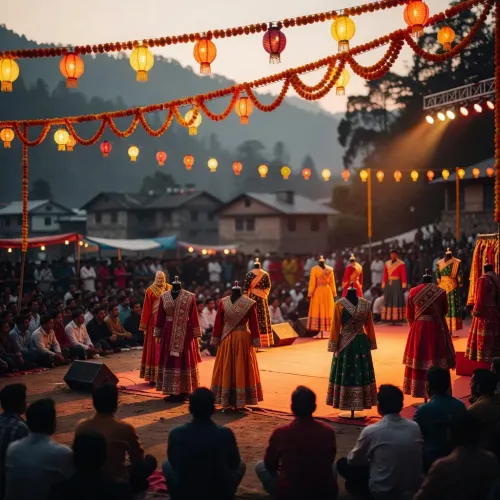
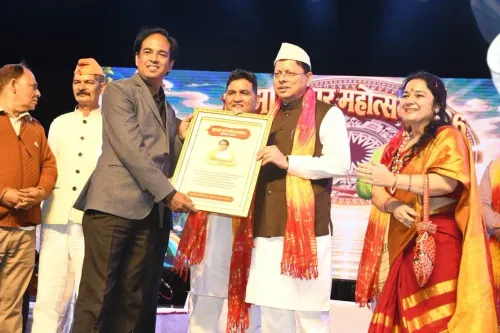
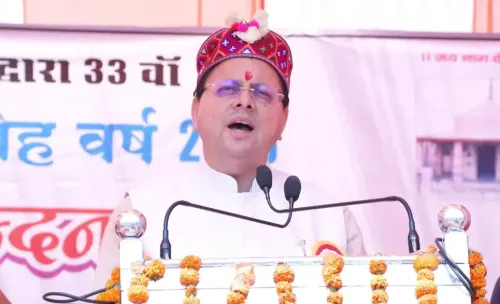
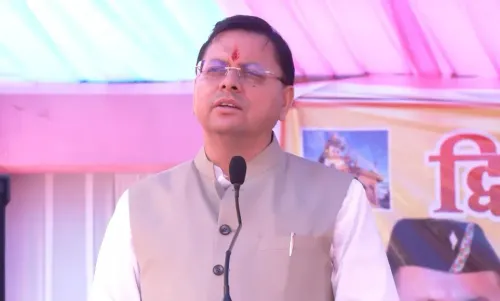
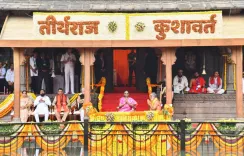
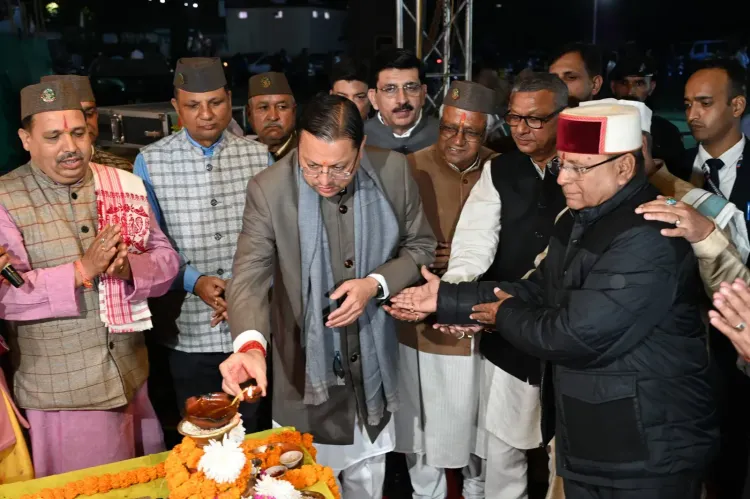
Folk music filled the winter air in Dehradun on Saturday, 31 October 2026, as Uttarakhand Chief Minister Pushkar Singh Dhami took to the stage at Uttarakhand Kauthig-2026 — the annual cultural festival hosted by the Akhil Garhwal Sabha — to cheer on folk artists and speak directly to what he called a 'devtulya janta' (a people worthy of reverence).
What CM Dhami said at Kauthig-2026
Addressing the gathering, Dhami framed Uttarakhand's fairs, folk songs, dances, and traditional arts as the defining markers of the state's 'vast cultural heritage.' 'Our government moves forward with the resolve to preserve our heritage alongside development,' he said, laying out a vision that ties temple restoration, religious and cultural site conservation, and stronger connectivity into a single cultural mission.
The chief minister was explicit about the end goal: ensuring that the state's rich culture reaches the next generation and that Uttarakhand's identity is established on a global stage.
Garhwali identity and the Kauthig tradition
The Akhil Garhwal Sabha has long served as a custodian of Garhwali cultural expression, organising events that gather communities spread across the hills and the diaspora in the plains. Kauthig — the word itself evokes a traditional Garhwali fair or gathering — brings folk performers, craftspeople, and audiences together in Dehradun, the state capital, giving the region's living traditions a visible urban platform.
Uttarakhand was carved out as a separate state in 2000, and with statehood came a sharper political focus on preserving the distinct Garhwali and Kumaoni identities that set the Himalayan region apart from the larger plains geography it once shared administratively.
Heritage as a pillar of the Devbhoomi push
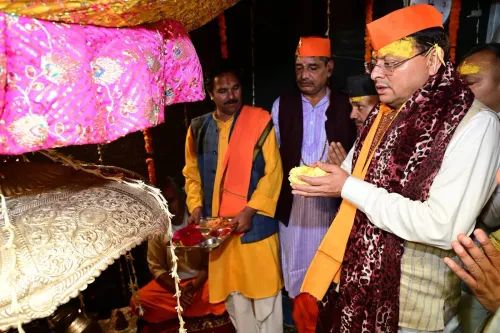
Dhami's remarks slot into a deliberate, years-long pattern for the Uttarakhand BJP government. Since 2017, state policy has consistently yoked infrastructure upgrades to what officials frame as the 'Devbhoomi' — land of the gods — brand: temple restoration drives, improved road and ropeway links to pilgrimage and cultural sites, and festivals like Kauthig positioned as both heritage events and soft-power assets.
The logic is straightforward: for a mountain state where terrain limits conventional industry, religious tourism and folk-culture programming carry real economic weight, not just symbolic value. Getting younger audiences and international visitors to engage with Garhwali and Kumaoni traditions extends the reach of that brand far beyond the hills.
Folk artists in the spotlight
Perhaps the most immediate signal from Saturday's event was Dhami's decision to appear on stage and personally encourage folk artists — a gesture that carries weight in communities where practitioners of traditional music and dance often struggle for institutional support. Placing the chief minister in the same frame as local performers sends a clear message about where the state government wants cultural policy to land.
Whether that encouragement translates into sustained funding, dedicated performance infrastructure, or wider outreach to younger practitioners is the question the Garhwali cultural community will be watching through the months ahead. The stage is set — the spotlight now falls on what follows the applause.
Point of View
Culture is not soft policy — it is infrastructure by another name. The real test will be whether 'global recognition' for Garhwali and Kumaoni traditions translates into measurable support for the folk artists he applauded on Saturday.
NationPress
31 Oct 2026
Frequently Asked Questions
What is Uttarakhand Kauthig-2026?
Uttarakhand Kauthig-2026 is an annual cultural festival organised by the Akhil Garhwal Sabha in Dehradun, showcasing the folk arts, music, and dance traditions of the Garhwal region.
Who is the Akhil Garhwal Sabha?
The Akhil Garhwal Sabha is a community organisation focused on promoting and preserving Garhwali cultural heritage through events and programmes in Uttarakhand.
What did CM Dhami say at Kauthig-2026?
CM Pushkar Singh Dhami said his government is committed to preserving Uttarakhand's heritage alongside development, mentioning temple restoration, conservation of cultural sites, and better connectivity as key efforts to pass the state's rich culture to younger generations and promote it globally.
What is the Devbhoomi initiative in Uttarakhand?
Devbhoomi — meaning 'land of the gods' — is a framework used by the Uttarakhand government since 2017 to promote religious tourism and cultural heritage conservation, combining temple restoration with infrastructure upgrades to pilgrimage and cultural sites.
When was Uttarakhand formed and why does cultural preservation matter there?
Uttarakhand became a separate state in 2000, and with statehood came a renewed political focus on preserving the distinct Garhwali and Kumaoni identities of the Himalayan region, which are also central to the state's tourism economy.