Bangladesh mob violence: Mistrust, revenge and hate fuel 171 deaths in 2026
Synopsis
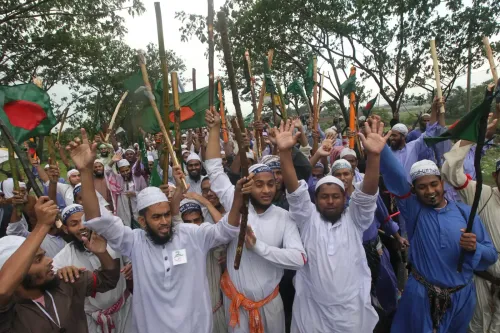
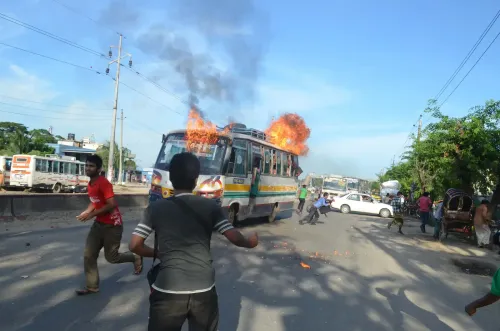
Official figures say 40 — rights groups say 171. The gaping discrepancy in Bangladesh's mob violence death toll for 2026 is itself the story: a state struggling to count its own casualties, let alone prevent them, as a post-transition law enforcement vacuum emboldens vigilante killing rooted in political revenge, religious hatred and near-total impunity.
Key Takeaways
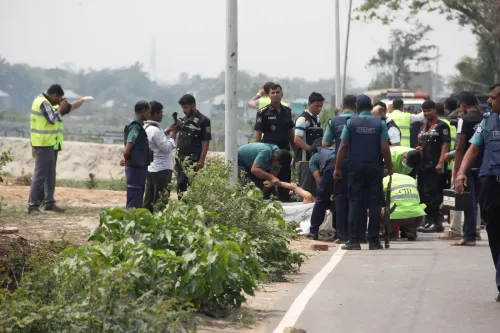
At least 171 people were killed by mobs in Bangladesh in the first nine months of 2026 , according to Ain o Salish Kendra — roughly four times the government's official count of 40 deaths .
The Human Rights Support Society reported 187 deaths and 401 injuries across 398 incidents in the same period.
Mob deaths rose to 32 in October 2026 , up from 23 in September , per Manabadhikar Shongskriti Foundation (MSF) .
Gang-rape incidents jumped 75 per cent month-on-month, from 12 to 21 in October, according to MSF.
The 2024 ouster of Sheikh Hasina created a law enforcement vacuum, with the EU Agency for Asylum documenting attacks on Awami League supporters and Hindu community members.
Experts warn of a growing culture of impunity that is normalising mob justice as a politically acceptable form of action.
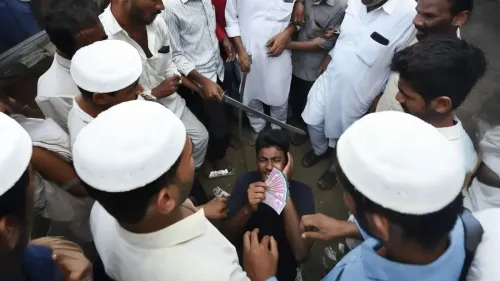
An analysis of more than 100 incidents spanning 2018 to 2026 has found that mob violence in Bangladesh is driven by deep mistrust of the police, political vendettas, religious and identity-based hatred, and a widespread belief that perpetrators face no consequences. The findings, detailed in an opinion piece published by Dhaka-based daily New Age, paint a troubling picture of eroding rule of law in the country.
Scale of the Crisis
According to Ain o Salish Kendra, at least 171 people were killed by mobs in the first nine months of 2026 alone — roughly four times the figure reported by the government. The Human Rights Support Society recorded an even higher toll during the same period: 187 deaths and 401 injuries across 398 incidents.
The Bangladesh Home Ministry placed the official count at 40 deaths in 63 incidents between January and September 2026, citing a 41.12 per cent drop in incidents compared to the same period last year, when 63 fatalities were recorded in 107 incidents. Critics argue the significant gap between government data and human rights organisation figures raises serious questions about the credibility and completeness of official reporting.
Post-Transition Law and Order Vacuum
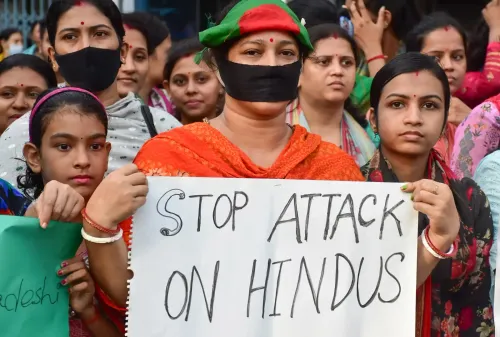
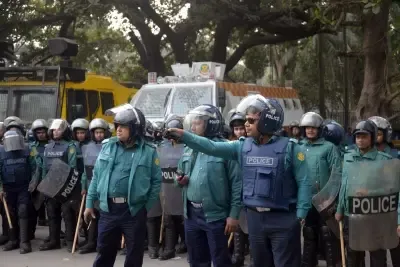
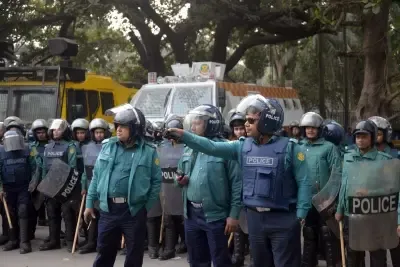
The ouster of former Prime Minister Sheikh Hasina's government in 2024 delivered a severe blow to law enforcement across Bangladesh. Widespread attacks on police stations and the mass withdrawal of officers from active duty created what observers describe as a vacuum in law and order. The European Union Agency for Asylum documented retaliatory attacks on the homes and businesses of alleged Awami League supporters, as well as targeted violence against members of the Hindu community. At least 21 people were killed in mob violence between 11 August and 19 September 2024 in the immediate aftermath of the transition.
The analysis notes that in mob violence, individuals are treated as criminals before any investigation is conducted. Triggers range from accusations of theft and alleged offences against religious sentiments to personal grudges and political rivalries — meaning virtually any person can become a target.
October Data Shows Worsening Trend
A monthly monitoring report released by human rights body Manabadhikar Shongskriti Foundation (MSF) found that mob violence deaths climbed to 32 in October 2026, up from 23 in September. Gang-rape incidents rose from 12 to 21 over the same period — a 75 per cent increase. The incidents were linked to verbal altercations, theft allegations, extortion, land disputes, drug-related conflicts, and muggings, according to The Daily Star's coverage of the report. Overall violence against women and children edged up from 354 to 357 cases, while sexual harassment and abuse cases rose from 16 to 25.
Expert Warning on Culture of Impunity
Rajib Nandy, an Associate Professor of communication and journalism at the University of Chittagong, warned that the problem runs deeper than individual incidents. 'Bangladesh must now address not only mob attacks but also the social and political culture that normalises violence and sustains impunity. When the state fails to protect its citizens, evidence is superseded by allegations and violence becomes a politically acceptable form of action; no one is safe. This is not simply a question of public anger; it is a question of accountability and whether the law applies equally to everyone,' he stated in his piece published by New Age.
Analysts note that the concern is not merely a quantitative rise in violence, but the growing social and political acceptability of mob-led punishment — a culture of vigilante justice that, left unchecked, risks becoming institutionalised.
What Needs to Happen Next
Rights organisations and academic observers are calling on the interim administration to rebuild public trust in formal law enforcement, ensure independent data collection on mob violence, and prosecute perpetrators to dismantle the culture of impunity. Without systemic accountability, analysts warn that Bangladesh risks normalising extrajudicial violence as an instrument of political and social control — a trajectory with consequences for democratic stability across the region.
Point of View
But the failure to rebuild it and the documented rise in religiously and politically motivated mob killings suggest the problem is now structural. The growing social acceptability of vigilante punishment — documented across more than 100 incidents — is precisely the kind of norm shift that takes years to reverse. Regional observers and India in particular should watch closely: a Bangladesh that cannot guarantee equal protection under the law is a Bangladesh that becomes increasingly susceptible to extremist mobilisation.
NationPress
15 Nov 2026
Frequently Asked Questions
How many people have been killed in mob violence in Bangladesh in 2026?
According to Ain o Salish Kendra, at least 171 people were killed in mob violence in Bangladesh in the first nine months of 2026 — approximately four times the government's official figure of 40 deaths. The Human Rights Support Society reported an even higher toll of 187 deaths in the same period.
What are the main causes of mob violence in Bangladesh?
An analysis of more than 100 incidents between 2018 and 2026 identifies mistrust of the police, political revenge, religious and identity-based hatred, and a perception of impunity as the primary drivers. Triggers include theft accusations, alleged insults to religious sentiments, and personal or political grudges.
How did the 2024 political transition affect law and order in Bangladesh?
The ouster of former Prime Minister Sheikh Hasina's government in 2024 caused widespread attacks on police stations and mass absenteeism among officers, creating a significant vacuum in law enforcement. The EU Agency for Asylum documented subsequent retaliatory attacks on Awami League supporters and members of the Hindu community.
Why is there a large gap between official and rights group data on mob deaths?
The Bangladesh Home Ministry cited a 41.12 per cent drop in mob violence incidents for January–September 2026, while Ain o Salish Kendra and the Human Rights Support Society recorded figures roughly four times higher. Critics say the discrepancy raises serious questions about the credibility and completeness of government data collection.
Did mob violence and sexual violence worsen in October 2026?
Yes. The Manabadhikar Shongskriti Foundation reported that mob violence deaths rose from 23 in September to 32 in October 2026, while gang-rape incidents increased by 75 per cent — from 12 to 21. Overall cases of violence against women and children also edged upward during the same month.