Bangladesh minority attacks surge in 2026, 50 incidents in first half
Synopsis
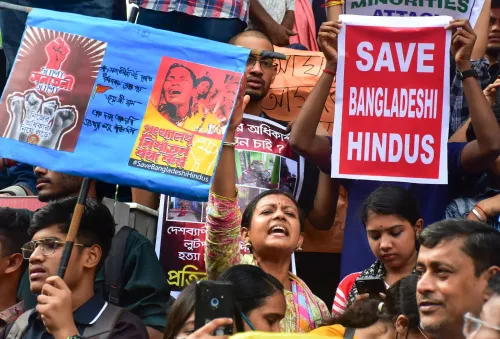
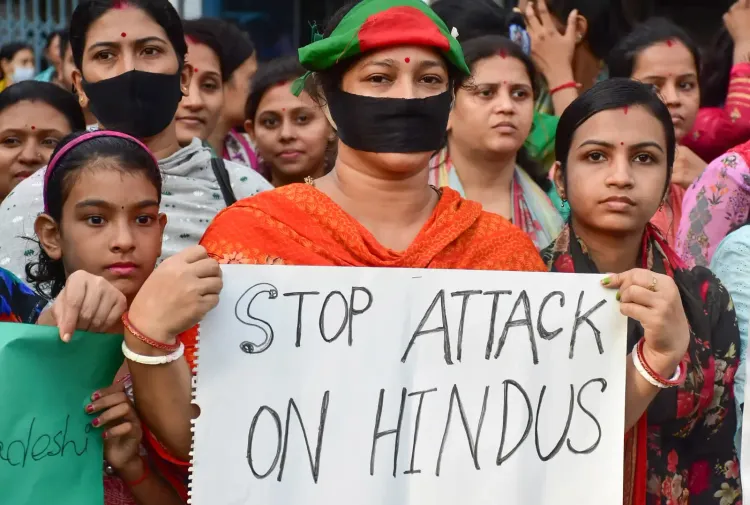
Bangladesh recorded 50 attacks on religious minorities in just the first half of 2026 — five times the figure for the same period in 2025. SATP and HRSS data reveals a violence curve that has not flattened despite a change in government, pointing to systemic failures in accountability that go well beyond any single administration.
Key Takeaways
50 attacks on religious minorities were recorded in Bangladesh in the first half of 2026 , up from 10 in the same period of 2025 , per HRSS data.
Injuries surged from 4 to 56 over the same comparison period.
In July–September 2026 , at least 6 attacks were recorded, with 2 temples , 5 idols , and 4 homes vandalised.
In 2024 , 112 incidents were documented, including 284 homes and 240 businesses damaged.
A Hindu man, Rabendra Rishi , 43 , was allegedly stabbed to death in Mymensingh last month.
Violence has persisted across both the interim Muhammad Yunus government and the current BNP administration.
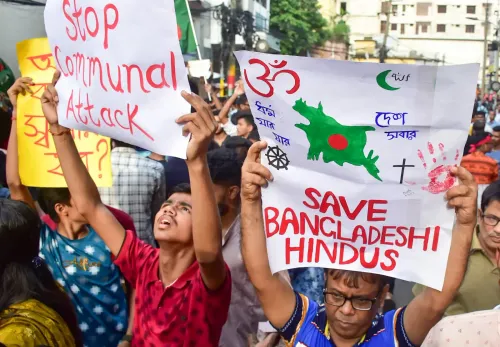
Bangladesh has witnessed a sharp escalation in communal violence targeting religious and ethnic minorities since the country's 2024 political upheaval, with attacks increasingly intertwined with politically motivated reprisals, according to a report by the South Asia Terrorism Portal (SATP). Data compiled by the Dhaka-based Human Rights Support Society (HRSS) shows the violence has intensified markedly into 2026, raising urgent concerns over minority safety in Bangladesh.
Scale of Violence in 2026
The situation deteriorated significantly in the first half of 2026, when HRSS documented 50 attacks on religious minorities — a fivefold increase from the 10 incidents recorded during the corresponding period in 2025. The number of injured persons surged from 4 to 56 over the same comparison period, according to the SATP report.
In the most recent quarter covered — July to September 2026 — HRSS recorded at least six attacks, leaving six people injured. The incidents also involved the vandalism of two temples, five idols, and four homes.
A Pattern Rooted in the 2024 Upheaval
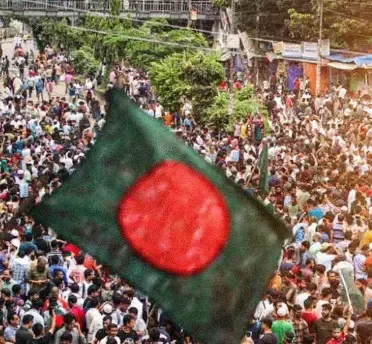
The SATP report traces the surge to the fall of former Prime Minister Sheikh Hasina's government in August 2024, which created what it describes as 'a period of political uncertainty and a vacuum in which attacks on minority communities became a prominent concern.' Hindus in particular were widely perceived as politically aligned with the Awami League, making them targets of both communal and politically motivated violence.
'The insecurity faced by religious minorities in Bangladesh cannot be attributed to a single cause, but rather to overlapping dynamics of political instability, religious intolerance, competing narratives of national identity, local disputes and weaknesses in law enforcement, specifically after the July 2024 uprising,' the SATP report stated.
It added that 'the uprising complicated the situation of minority communities, as they were linked to Awami League politics, leading to questions of national loyalty.'
Year-on-Year Data Tells a Grim Story
In 2025, HRSS recorded 28 incidents targeting religious and ethnic minorities, claiming one life and leaving 16 others injured, while more than 56 shrines were reportedly attacked, vandalised, or looted. The scale of violence was significantly higher in 2024, when the rights body documented 112 incidents, two deaths, and 83 injuries, alongside damage to 28 temples, 31 idols, 284 homes, and 240 shops and business establishments.
Recent Incidents in Focus
Last month, a Hindu man identified as Rabendra Rishi, 43, who owned a salon, was allegedly stabbed to death by a man after reportedly refusing to provide a haircut on credit in Bhaluka upazila of Mymensingh, local media reported.
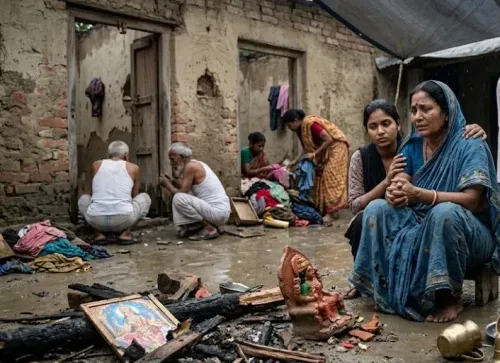
In a separate incident, three homes belonging to Hindu families were allegedly vandalised and looted in Chak Karimpur village of Pirganj upazila in Rangpur district, following a social media post that allegedly offended religious sentiments, according to local media citing police.
Accountability and What Lies Ahead
These attacks have persisted across both the former Muhammad Yunus-led interim government and the current Bangladesh Nationalist Party (BNP) administration, critics argue. The SATP report underscored 'the need for effective protection and accountability from the administration and law enforcement agencies.' Rights groups warn that unless structural weaknesses in policing and governance are addressed, the trajectory of violence is unlikely to reverse.
Point of View
Not merely political transition. What is missing from most coverage is accountability data: how many attackers have been prosecuted? The SATP report flags law enforcement weakness, but without prosecution rates, the accountability argument remains abstract. India has a direct stake here — the status of Hindus in Bangladesh is a live domestic political issue, and every fresh data point feeds that narrative regardless of diplomatic niceties.
NationPress
12 Nov 2026
Frequently Asked Questions
How many attacks on minorities have been recorded in Bangladesh in 2026?
At least 50 attacks on religious minorities were documented in Bangladesh in the first half of 2026 alone, according to data compiled by the Human Rights Support Society (HRSS). An additional six attacks were recorded between July and September 2026, bringing continued concern over the trajectory of violence.
What triggered the surge in communal violence in Bangladesh?
The SATP report links the surge to the fall of former Prime Minister Sheikh Hasina's government in August 2024, which created political uncertainty and a law enforcement vacuum. Hindus were widely perceived as aligned with the Awami League, making them targets of both communal and politically motivated attacks.
How does the 2026 violence compare to previous years?
In 2025, HRSS recorded 28 incidents with one death and 16 injuries. The year 2024 saw the highest documented violence, with 112 incidents, 2 deaths, 83 injuries, and damage to 284 homes and 240 businesses. The 50 attacks in just the first half of 2026 suggest the annual total could exceed 2024 levels.
Who are the most recent victims of minority attacks in Bangladesh?
Last month, a 43-year-old Hindu salon owner, Rabendra Rishi, was allegedly stabbed to death in Bhaluka upazila of Mymensingh after reportedly refusing to offer a haircut on credit, according to local media. Separately, three Hindu families' homes were vandalised in Chak Karimpur village, Rangpur district, following an inflammatory social media post.
Has the situation improved under the current Bangladesh government?
According to the SATP report, attacks on minorities have persisted under both the former Muhammad Yunus-led interim government and the current Bangladesh Nationalist Party (BNP) administration. Critics and rights groups argue that structural weaknesses in law enforcement and accountability have not been adequately addressed by either administration.