Bangladesh Adivasi Forum demands rights, end to oppression of indigenous peoples
Synopsis
Nearly three decades after the CHT Accord was signed, Bangladesh’s indigenous communities — over four million people — remain without constitutional recognition, facing land eviction and daily rights violations. The Bangladesh Adivasi Forum’s International Indigenous Peoples’ Day rally in Dhaka made clear that patience is running out and a time-bound roadmap is now the minimum demand.
Key Takeaways
The Bangladesh Adivasi Forum held a public rally at Central Shaheed Minar, Dhaka on 10 August 2025 marking International Indigenous Peoples’ Day .
More than four million indigenous people in Bangladesh still lack constitutional recognition, according to Forum general secretary Sanjeeb Drong .
The CHT Accord , signed on 2 December 1997 , is approaching 29 years without full government implementation.
Former parliamentarian Ushatan Talukder said fundamental rights of indigenous communities remain unmet 55 years after independence.
The Forum demanded a time-bound roadmap for CHT Accord implementation and withdrawal of all cases it described as false against community members.
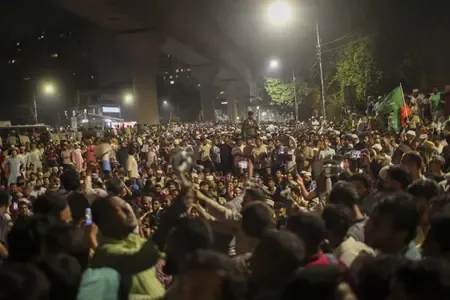
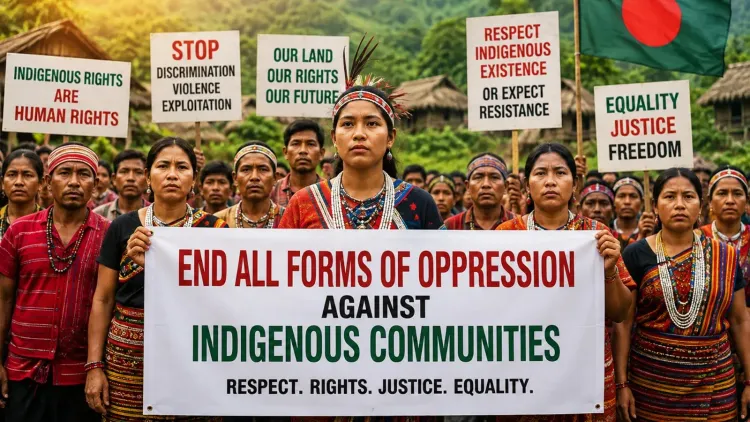
The Bangladesh Adivasi Forum on 10 August 2025 called on the Bangladeshi government to take concrete steps to protect the constitutional, cultural, land, and legal rights of the country's indigenous communities, warning that numerous groups in both the hill regions and plains face serious threats to their very existence. The appeal was made at a public rally and discussion meeting held at the Central Shaheed Minar in Dhaka, marking International Indigenous Peoples' Day.
Key Demands at the Rally
The event brought together academicians, lawyers, human rights and women's rights activists, writers, and researchers. Sanjeeb Drong, general secretary of the Bangladesh Adivasi Forum, addressed the gathering and underscored the scale of the crisis. “For three decades now, we have been campaigning for indigenous peoples’ right to self-determination. More than four million indigenous people live in Bangladesh. We believe the Bangladeshi state must grant them constitutional recognition to protect their language, identity, land, culture, and self-identity,” he said.
Drong also stressed that linguistic and cultural plurality is a national asset. “The coexistence of different ethnic communities is what makes Bangladesh rich in linguistic, cultural, and traditional diversity — and that diversity is our country’s beauty and strength. To protect indigenous peoples’ language, culture, and heritage, we must stop seizing and evicting them from their land in the name of development,” he added.
55 Years On: Rights Still Unmet
Former Bangladeshi parliamentarian and Vice President of Parbatya Chittagong Jana Samhati Samiti (PCJSS), Ushatan Talukder, said that despite being an integral part of Bangladesh’s diversity, indigenous communities continue to face discrimination over constitutional recognition, land rights, language, culture, and identity. He noted that even after 55 years of independence, many of their fundamental rights remain unmet, according to reports in the Dhaka Tribune.
A written statement from the Forum’s president — read out by PCJSS staff member Trijinad Chakma in the president’s absence — drew attention to the situation in the Chittagong Hill Tracts (CHT), where communities reportedly face land dispossession and daily human rights violations under what the Forum described as “military rule and state oppression.”
CHT Accord: Nearly 29 Years, Still Unimplemented
The statement highlighted that the CHT Accord, signed on 2 December 1997 to resolve the long-standing problems of hill indigenous peoples, is approaching its 29th anniversary with no full implementation in sight. “The government has shown no real will to fully implement it,” the statement said. For plainland indigenous communities, the situation is described as even more precarious, with reports of eviction, violence against women, discrimination, and impunity pushing them further to the margins.
What the Forum Is Asking For
The Bangladesh Adivasi Forum urged the authorities to grant indigenous peoples constitutional recognition, including the right to self-determination, and to announce a time-bound roadmap for the full and effective implementation of the CHT Accord. It also called for an immediate end to all forms of oppression and persecution against indigenous communities, and demanded the withdrawal of all cases it described as false, filed against community members.
With the CHT Accord nearing three decades without resolution, advocates say the government’s next steps will determine whether Bangladesh’s indigenous communities can reclaim their place in the country’s constitutional framework.
Point of View
Now entering its fourth decade. The CHT Accord of 1997 was supposed to be the resolution; instead it has become the symbol of state inaction. What is striking is that the ask has not escalated to confrontation but remains firmly within constitutional and legal channels — recognition, a roadmap, withdrawal of cases. That restraint deserves a reciprocal seriousness from Dhaka that has, by all accounts, not materialised. The longer constitutional recognition is deferred, the harder it becomes to argue that Bangladesh’s celebrated diversity is anything more than rhetorical.
NationPress
25 Sept 2026
Frequently Asked Questions
What is the Bangladesh Adivasi Forum demanding?
The Bangladesh Adivasi Forum is demanding constitutional recognition for indigenous communities, including the right to self-determination, full implementation of the 1997 CHT Accord through a time-bound roadmap, an end to land evictions, and withdrawal of cases it describes as false against community members. The demands were made at a public rally in Dhaka on 10 August 2025.
How many indigenous people live in Bangladesh?
According to Bangladesh Adivasi Forum general secretary Sanjeeb Drong, more than four million indigenous people live in Bangladesh. Despite this, they currently lack constitutional recognition of their language, identity, land, and culture.
What is the CHT Accord and why does it matter?
The Chittagong Hill Tracts (CHT) Accord was signed on 2 December 1997 to resolve the long-standing problems of hill indigenous peoples in Bangladesh. Nearly 29 years on, the Forum says the government has shown no real will to fully implement it, leaving communities in the CHT exposed to land dispossession and rights violations.
What conditions do indigenous communities face in the Chittagong Hill Tracts?
According to the Bangladesh Adivasi Forum, indigenous communities in the CHT face land dispossession, daily human rights violations, and what the Forum describes as military rule and state oppression. Plainland indigenous communities reportedly face eviction, violence against women, discrimination, and impunity.
Where and when was the International Indigenous Peoples’ Day event held in Bangladesh?
The event was held on Sunday, 10 August 2025, at the Central Shaheed Minar in Dhaka. It included a discussion meeting, public rally, and cultural programme, attended by academicians, lawyers, human rights activists, writers, and researchers.