Bangladesh madrasa abuse: 6 schools, 16 days, widespread outrage
Synopsis
Six madrasas across Bangladesh reported rape and sexual abuse allegations in just 16 days, with victims as young as seven. The cases have ignited protests, vigilante attacks on accused teachers, and urgent demands from rights groups for mandatory child protection committees — exposing a systemic failure in safeguarding students at religious institutions.
Key Takeaways
Allegations of rape, attempted rape, and sexual abuse at six madrasas in Bangladesh were reported between 8 and 23 October 2025 .
Incidents span Gazipur , Savar , Kushtia , and Pabna ; victims include children as young as seven years old .
Teacher Md Oliullah Islam, 23 , was arrested for allegedly raping an eight-year-old at Darul Hedayah Qawmi Madrasa on three consecutive nights.
Religious Affairs Minister Kazi Shah Mofazzal Hossain Kaikobad called the incidents 'extremely distressing and shameful' and pledged preventive action.
Manusher Jonno Foundation warned the actual number of cases is likely higher due to fear, stigma, and pressure on victims to stay silent.
Rights groups have demanded mandatory Sexual Harassment Prevention Committees in all educational institutions across Bangladesh.
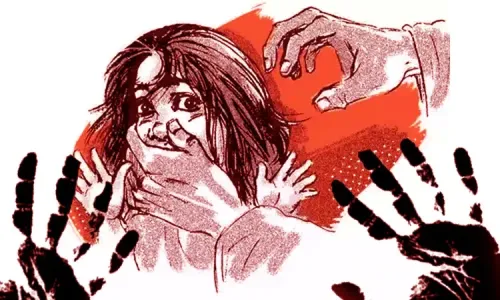
Allegations of rape, attempted rape, and sexual abuse at six madrasas across Bangladesh within a span of 16 days have triggered widespread public outrage, protests, and violent reprisals against accused teachers. The incidents, reported between 8 and 23 October 2025, span multiple regions including Gazipur, Savar in Dhaka, Kushtia, and Pabna, and involve victims as young as seven years old, comprising both boys and girls.
Key Incidents Across Regions
In Gazipur's Gacha, a teacher identified as Md Oliullah Islam, 23, allegedly raped an eight-year-old residential student at Darul Hedayah Qawmi Madrasa on three consecutive nights — October 10, 11, and 12 — and threatened the child into silence. The boy disclosed the abuse to his mother on October 13, prompting her to file a case. Police arrested Oliullah and governing body member Mohammad Mizan, 38, on October 22; both were sent to jail the following day. A third accused, Md Abdul Quddus Sheikh, 45, reportedly remains at large.
In Tongi, Moslem Ahmed, 30, a teacher at Qariul Quran International Madrasa, allegedly sexually abused a seven-year-old Class-I girl on October 19. According to her family, the child was threatened with a beating if she spoke out, and stayed away from classes for three days before informing her parents. In Savar, Abdul Bari, 50, the owner and headteacher of a madrasa, allegedly raped a 13-year-old residential student on October 21, threatening to kill her if she disclosed the assault.
Public Reaction and Community Fallout
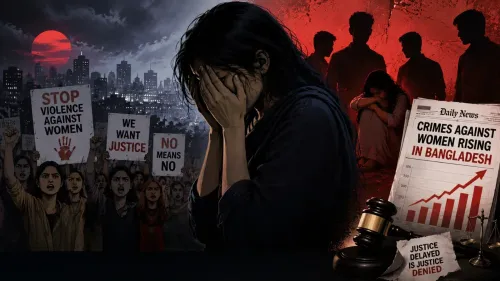
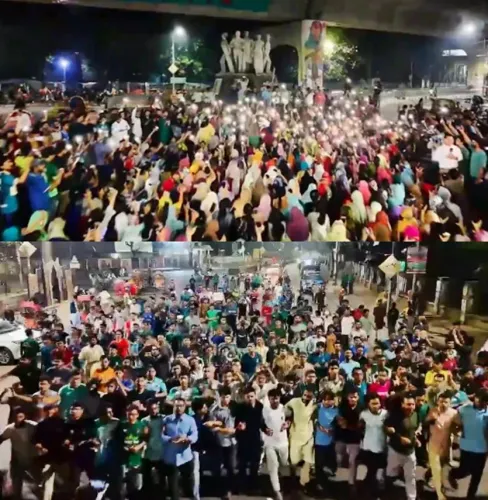
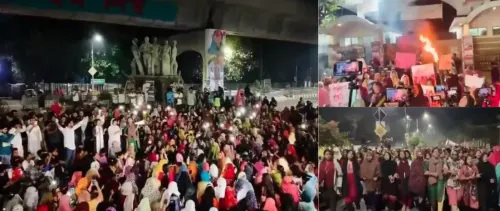
The cluster of cases has set off protests across affected areas, along with reported assaults on accused teachers, vandalism, and arson. Rights advocates have cautioned that community outrage, while understandable, cannot substitute for institutional child protection mechanisms. Several victims were allegedly subjected to threats designed to prevent them from coming forward — a pattern that rights groups say suppresses the actual scale of abuse.
Government Response
Bangladesh's Religious Affairs Minister Kazi Shah Mofazzal Hossain Kaikobad described the incidents as 'extremely distressing and shameful' and pledged to introduce preventive measures, without specifying a timeline or mechanism. The ministerial acknowledgement marks a rare public admission at the cabinet level, though critics argue that statements must be followed by structural reforms.
Rights Groups Demand Systemic Reforms
Dhaka-based rights organisation Manusher Jonno Foundation (MJF) called for stronger child protection frameworks within madrasas, impartial investigations, swift legal action against perpetrators, and the mandatory establishment of Sexual Harassment Prevention Committees in all educational institutions. MJF warned that reported cases represent only a fraction of the actual incidence, as fear, stigma, and institutional pressure discourage disclosure.
MJF Executive Director Shaheen Anam said: 'No child should fear the people responsible for their care and education. When a child reports abuse, we must listen, take immediate action and ensure their safety.' She urged parents to speak out and assured them that children would receive support.
As Bangladesh's civil society amplifies calls for accountability, the central question is whether the government will move beyond condemnation toward enforceable child safety standards in religious educational institutions.
Point of View
Where residential settings, power asymmetry, and the absence of oversight committees create conditions for repeated harm. The ministerial statement of distress, while notable, risks being symbolic unless paired with a legislative mandate for child protection committees and independent monitoring. Bangladesh's rights community has made this case before; the question is whether a cluster this visible finally produces enforceable policy rather than cyclical outrage. The pattern of threats used to silence victims also points to institutional complicity that goes beyond individual perpetrators.
NationPress
29 Oct 2026
Frequently Asked Questions
What happened at the six madrasas in Bangladesh?
Allegations of rape, attempted rape, and sexual abuse were reported at six madrasas across Bangladesh between 8 and 23 October 2025. Victims include children as young as seven, and several were allegedly threatened to prevent them from disclosing the abuse.
Where did the Bangladesh madrasa abuse incidents occur?
The incidents were reported across multiple regions including Gazipur, Savar in Dhaka, Kushtia, and Pabna. The cases span both urban and semi-urban areas, indicating the issue is not confined to a single locality.
What action has the Bangladesh government taken?
Religious Affairs Minister Kazi Shah Mofazzal Hossain Kaikobad described the incidents as 'extremely distressing and shameful' and pledged preventive measures. Police arrested at least two accused individuals in the Gazipur case and sent them to jail, though a third accused remains at large.
What are rights groups demanding in response to the madrasa abuse cases?
Manusher Jonno Foundation (MJF) has called for stronger child protection frameworks, impartial investigations, swift legal action, and the mandatory establishment of Sexual Harassment Prevention Committees in all educational institutions in Bangladesh. MJF also warned that actual case numbers are likely higher than reported.
Why do child abuse cases in Bangladesh madrasas go unreported?
According to rights organisations, victims — often very young children in residential settings — are frequently threatened by accused teachers and face fear, social stigma, and institutional pressure that discourages disclosure. MJF has warned that this means official case counts substantially underrepresent the true scale of abuse.