Fuel Crisis Deepens in Bangladesh as Panic Buying Leads to Long Lines at Petrol Stations
Synopsis
As fuel prices in Bangladesh escalate, panic buying continues to create long queues at petrol stations, disrupting daily life. Despite government assurances of stable supply, locals face significant challenges in refueling. Read on to explore the impacts and expert warnings regarding the ongoing crisis.
Key Takeaways
Fuel prices in Bangladesh have surged, affecting daily life.
Long queues at petrol stations are a common sight due to panic buying.
The government insists there is no nationwide fuel shortage.
Experts warn of potential future crises without systemic improvements.
Public trust in the government's management of fuel supply is waning.
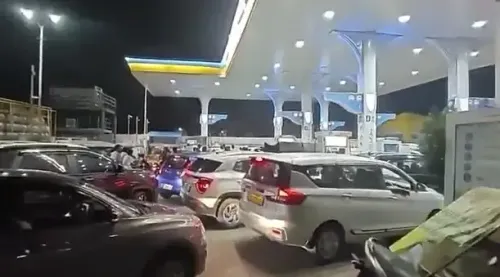
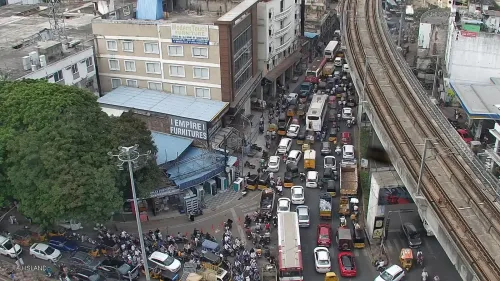
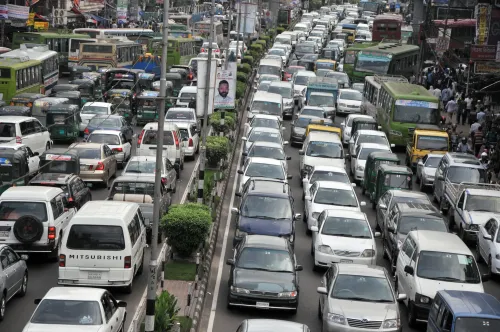
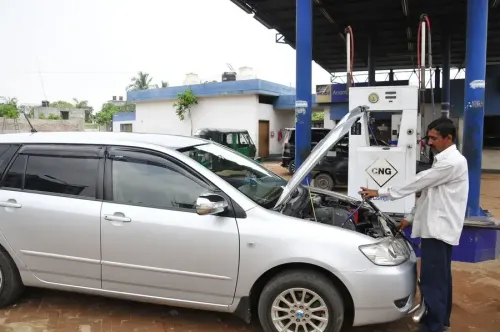
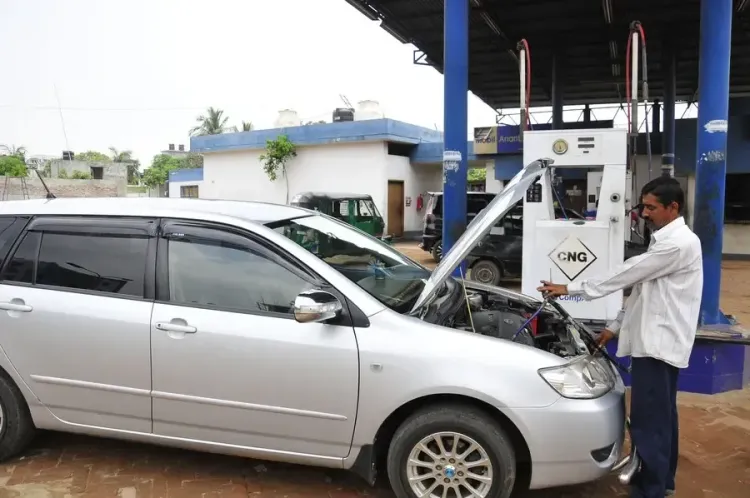
Dhaka, April 20 (NationPress) The fuel crisis in Bangladesh is escalating as soaring prices lead to long lines at petrol stations due to panic buying, significantly disrupting daily routines. This situation persists despite local media reports stating that authorities have assured a steady fuel supply.
The government officially announced the price increases via a gazette notification from the Power, Energy and Mineral Resources Division on April 18, attributing it to rising trends in the global oil market.
New prices include an increase of Bangladeshi taka (Tk) 15 per litre for diesel, Tk 20 for octane, Tk 19 for petrol, and Tk 18 for kerosene, which came into effect on Sunday night.
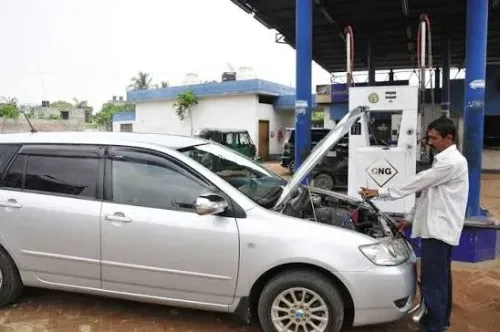
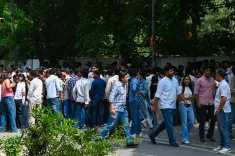
Many individuals, including personal vehicle owners, public transport providers, and small business operators, are reportedly spending hours in line to refuel, resulting in substantial losses in productivity and income.
Abdul Karim, a ride-sharing driver from Mirpur, expressed that the extended wait times have adversely affected his earnings. “I usually complete 12 to 14 trips a day, but now I lose two to three hours just waiting for fuel. My daily income has fallen by nearly 30%,” he told the Dhaka Tribune.
Shahana Begum, a school teacher from Uttara, shared her frustration over managing daily commutes: “I waited nearly an hour and a half to refuel last night. It’s increasingly stressful to plan my day since the queue lengths are unpredictable,” she added.
A senior official from the Bangladesh Petroleum Corporation (BPC) explained that short-term distribution changes and a spike in demand have strained operations. “While there's no nationwide fuel shortage, demand has surged recently. Some stations are experiencing supply issues due to transport scheduling challenges,” the official stated under anonymity when speaking to Dhaka Tribune.
During a press briefing in Dhaka, Minister Iqbal Hassan Mahmood Tuku referred to the situation as “wartime,” noting that adjustments in global markets have already occurred. “Fuel purchases must be made with foreign currency. By slightly raising prices, we aim to maintain stability,” he said, acknowledging the global repercussions of ongoing conflicts.
M. Shamsul Alam, an energy advisor to the Consumers Association of Bangladesh, criticized the fuel price hike as a betrayal of public trust, pointing out that the government had assured citizens against mid-month price increases. “By disregarding their monthly adjustment policy, they have compromised their credibility,” he commented.
Despite official claims of no national fuel shortage, the ongoing long queues at petrol stations highlight the flaws within the distribution framework and diminishing public trust. Experts warn that without improvements in logistics, enhanced communication, and long-term energy strategies, similar crises are likely to recur, particularly amid global market fluctuations.
Point of View
The ongoing fuel crisis in Bangladesh represents a significant challenge to daily life and economic stability. While government officials claim that there is no nationwide shortage, the reality of long queues and public frustration suggests a deeper issue within the fuel distribution system that must be addressed promptly.
NationPress
19 Sept 2026
Frequently Asked Questions
What caused the recent fuel price hike in Bangladesh?
The government attributed the increase to rising trends in the global oil market, with diesel prices rising by Tk 15 per litre, octane by Tk 20, petrol by Tk 19, and kerosene by Tk 18.
Are there reports of fuel shortages in Bangladesh?
While government officials state there is no nationwide fuel shortage, many petrol stations are experiencing supply gaps due to increased demand and logistical challenges.
How has the fuel crisis affected daily life?
The crisis has led to long wait times at petrol stations, causing significant disruptions to people's daily routines, impacting income for many individuals and businesses.
What are experts saying about the future of fuel supply in Bangladesh?
Experts warn that without improvements in logistics and energy planning, similar fuel crises could occur, especially with ongoing global market volatility.
What measures is the government taking to address the situation?
The government is attempting to maintain fuel prices at a tolerable level while ensuring that there is no nationwide shortage, despite the challenges in distribution.