Hindu man's body found in drum in Mymensingh, minorities' safety at risk
Synopsis
A 50-year-old Hindu jeweller was found dead inside a sealed drum floating in Mymensingh, Bangladesh — the latest in a series of attacks on minorities that critics say has gone unchecked under both the former interim government and the current BNP administration. With no arrests and no stated motive, the case is drawing fresh international attention to the safety of Hindus in Bangladesh.
Key Takeaways
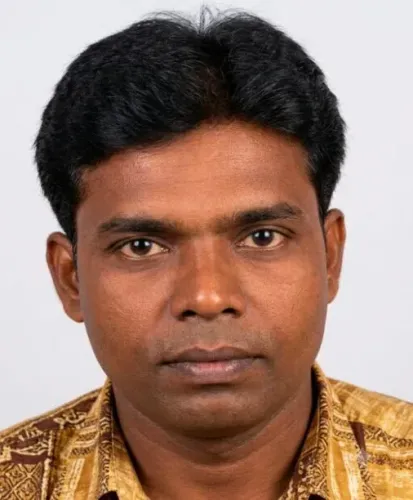
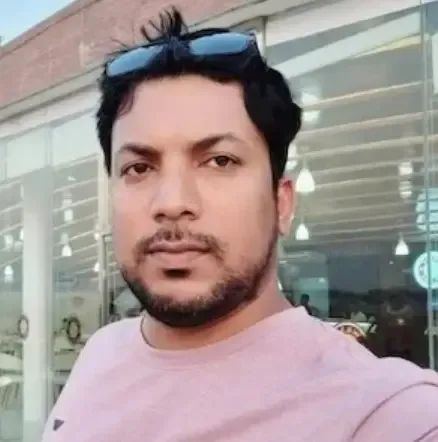
Niranjan Chandra Sutradhar , a 50-year-old Hindu jeweller , was found dead inside a floating drum in Begunbari, Mymensingh , Bangladesh.
The body bore sharp-weapon injury marks on the head and chest; police believe he was killed before being placed in the drum.
A token from the Mymensingh Hindu Cooperative Credit Union Limited helped establish the victim's identity.
As of Friday, 26 September 2026 , no arrests have been made and no motive has been established.
The incident follows the killing of retired Hindu teacher Ganapati Chakraborty and his family in Rangpur earlier this month.
The Awami League has drawn parallels to the BNP-Jamaat period of 2001–2006 , alleging a renewed pattern of minority persecution under the current BNP government .
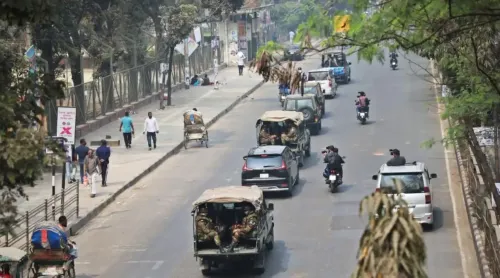
The body of a 50-year-old Hindu man, identified as Niranjan Chandra Sutradhar, was recovered from inside a floating drum near a sluice gate in the Begunbari area of Mymensingh district, Bangladesh, local media reported on Friday, 26 September 2026. The grim discovery has intensified concerns over the safety of religious minorities in the country.
How the Body Was Discovered
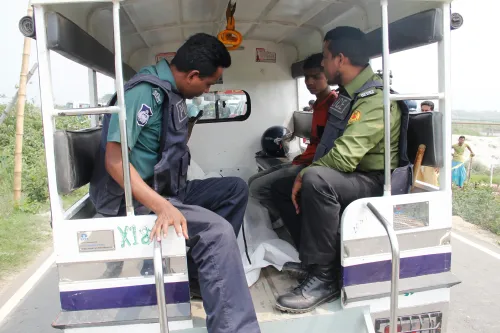
Locals spotted the sealed drum floating in the water near the sluice gate on Wednesday morning and alerted the authorities. Police recovered the body, which bore sharp-weapon injury marks on the head and chest. According to Kotwali Model Police Station Officer-in-Charge Muhammad Shibirul Islam, investigators believe Niranjan was killed before his body was placed inside the drum and submerged.
A token issued by the Mymensingh Hindu Cooperative Credit Union Limited was found in the trouser pocket of the deceased. Officers contacted the organisation, which helped establish the victim's identity. His wife, Sumita Rani Sutradhar, and son, Joy Sutradhar, subsequently confirmed the identification at the mortuary.
Sub-Inspector Ruhul Amin of the Kotwali Model Police Station was quoted as saying: 'After receiving the token, the Mymensingh Hindu Cooperative Credit Union Limited was contacted. The people of the institution helped identify Niranjan after seeing the token. Later, his identity was confirmed by contacting the family.'
No Arrests, Motive Unknown
As of Friday, police had made no arrests and had not determined a motive. Niranjan reportedly ran a jointly owned jewellery shop in the Atharbari Building area of Mymensingh. The case has been registered with the Kotwali Model Police Station, and an investigation is ongoing.
A Pattern of Violence Against Minorities
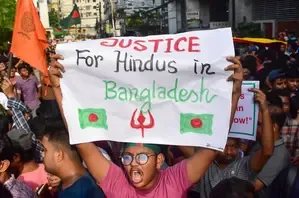
The incident is the latest in what observers describe as a troubling escalation of violence targeting Hindu minority communities across Bangladesh. Reports indicate this trend gained momentum during the period of the former Muhammad Yunus-led interim government and has persisted under the current Bangladesh Nationalist Party (BNP) administration.
This comes amid the killing of retired Hindu teacher Ganapati Chakraborty and his entire family in Rangpur city earlier this month — a case that drew widespread condemnation. Critics argue the ruling BNP government's response to such incidents has been inadequate.
Awami League Draws Historical Parallel
The Awami League has drawn sharp comparisons to the BNP-Jamaat-e-Islami alliance's five-year rule from 2001 to 2006, alleging that minority persecution witnessed during that era is recurring. 'Attacks on temples, homes being set on fire, land grabbing, brutal sexual violence against women, and countless Hindus being forced to leave Bangladesh. That picture is appearing before our eyes again today, in 2026,' the party said in a statement.
The party characterised the ruling government's inaction as part of a broader pattern of state indifference toward religious minority communities — a charge the BNP administration has not publicly addressed.
What Happens Next
With no arrests made and the investigation at an early stage, human rights monitors and minority community representatives are calling for a swift and transparent inquiry. The killing of Niranjan Chandra Sutradhar is expected to further fuel demands for international scrutiny of minority rights conditions in Bangladesh.
Point of View
Dumped near a sluice gate — signals a brazenness that routine law enforcement inaction can only encourage. What is missing from the official response is urgency: no arrests, no named suspects, no stated timeline. Bangladesh's minority communities have endured cyclical waves of violence that tend to intensify during political transitions, and the current BNP administration has yet to demonstrate it will break that pattern. International human rights bodies have repeatedly flagged the impunity surrounding such cases; without accountability, each incident lowers the threshold for the next.
NationPress
26 Sept 2026
Frequently Asked Questions
Who was Niranjan Chandra Sutradhar?
Niranjan Chandra Sutradhar was a 50-year-old Hindu man from Mymensingh, Bangladesh, who co-owned a jewellery shop in the Atharbari Building area. His body was found inside a floating drum near a sluice gate in the Begunbari area of Mymensingh district.
How was the body identified?
Police found a token issued by the Mymensingh Hindu Cooperative Credit Union Limited in the victim's trouser pocket. Contacting the organisation led investigators to establish the identity as Niranjan Chandra Sutradhar, which was subsequently confirmed by his wife Sumita Rani Sutradhar and son Joy Sutradhar.
Have any arrests been made in the Mymensingh drum murder case?
No. As of Friday, 26 September 2026, police had made no arrests and had not determined a motive. The investigation remains at an early stage, with the case registered at Kotwali Model Police Station.
How does this incident fit into the broader situation of minorities in Bangladesh?
It is the latest in a series of reported attacks on Hindu minority communities in Bangladesh. Earlier in September 2026, retired Hindu teacher Ganapati Chakraborty and his entire family were killed in Rangpur. Critics argue that violence against minorities has continued under both the former Yunus-led interim government and the current BNP administration.
What has the Awami League said about minority violence in Bangladesh?
The Awami League has alleged that the persecution of minority communities seen during the BNP-Jamaat-e-Islami alliance's rule from 2001 to 2006 is recurring in 2026. The party cited temple attacks, arson, land grabbing, sexual violence, and forced displacement of Hindus as evidence of a systematic pattern.