Why is the Islamist Alliance in Bangladesh Facing Turmoil Over Seat Disputes?
Click to start listening
Synopsis
As Bangladesh gears up for the February elections, the Jamaat-e-Islami-led coalition faces profound challenges in finalizing their seat-sharing arrangements. Reports indicate significant overlaps in candidate nominations, resulting in internal strife among member parties. The political landscape remains fraught with tensions as these factions grapple with unity and strategy ahead of the polls.
Key Takeaways
- Seat-sharing disputes within the Islamist coalition are causing significant political tension.
- Over 240 constituencies are affected by overlapping nominations.
- Internal conflicts may jeopardize the coalition's prospects in the upcoming elections.
- Key leaders are contesting against each other, highlighting divisions within the alliance.
- The integrity of the coalition is challenged by last-minute changes and new party inclusions.
Dhaka, Jan 8 (NationPress) As Bangladesh approaches the February election, the challenge of finalizing a seat-sharing agreement has grown increasingly complex within the Jamaat-e-Islami-led alliance of radical Islamist parties, heightening uncertainty within the freshly formed coalition, according to local media reports on Thursday.
Both Jamaat and Islami Andolan Bangladesh are reportedly contesting in over 240 overlapping constituencies.
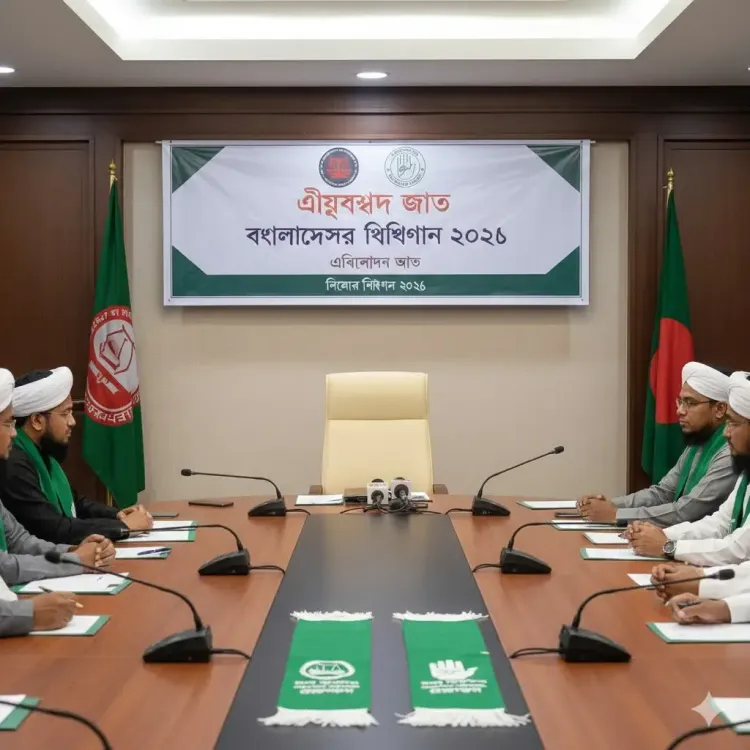
Jamaat and Islami Andolan -- two of the most significant Islamist factions in the nation -- have been in discussions for more than three months to unify Islamist votes under a coalition of eight major Islamist parties, as reported by Bangladesh's leading newspaper, The Daily Star.
Despite lengthy negotiations, the discussions fell through just before the December 29, 2025 nomination deadline, leading both parties to file nominations for hundreds of seats and causing turmoil within the alliance.
As per the Election Commission data, Jamaat submitted nominations in 276 seats by the final day, while Islami Andolan filed nomination papers for 268 seats.
The findings indicated that candidates from Jamaat and Islami Andolan are set to compete against each other in at least 240 constituencies nationwide, including seats where senior leaders of both parties are contesting.
Reports indicate that the Chattogram district has the highest overlap, with 49 constituencies featuring rival candidates from the two parties.
Dhaka follows with 40 overlapping seats, Khulna with 34, Rajshahi and Mymensingh with 33 each, Rangpur with 30, and Barishal with 17, while Sylhet has the least overlap, with eight constituencies.
The expansion of the coalition to include 11 parties just a day before the nomination deadline, incorporating the National Citizen Party (NCP) and others, reportedly heightened tensions.
Leaders of Islami Andolan expressed dissatisfaction with Jamaat's seat-sharing proposal, demanding a larger share of seats and criticizing the focus on the newly formed NCP, which has been promised up to 30 seats in the upcoming elections.
Islami Andolan Secretary General Maulana Yunus Ahmad acknowledged the strain, stating, "We were united," and noted that last-minute decisions had stirred discontent among several parties.
According to Ahmad, the original members of the alliance were not consulted before new parties were included or commitments of seat allocation were made.
"It's not just Islami Andolan; other parties also expressed their displeasure," he added.
The divisions are reportedly more noticeable in constituencies where key leaders are competing against one another.
Meanwhile, the NCP is preparing to participate in its first national election amidst internal strife, following a series of resignations over its decision to ally with Jamaat.
This internal discord has left critical structures weakened and exposed a leadership void within the party.
A faction within the NCP reportedly considers the alliance with Jamaat to be deeply anti-ideological and a politically 'suicidal decision', prompting several resignations, and many top leaders within the party have become inactive.
Bangladesh's elections scheduled for February 12 are unfolding amid escalating political tensions, with divisions widening across party lines.
Point of View
It's imperative to stress the importance of unity and collaboration among political factions in Bangladesh. The current rifts within the Jamaat-e-Islami-led alliance could significantly impact the election outcomes, challenging the cohesive representation of Islamist interests. Ensuring a united front is essential for the parties involved to maintain their influence in the political arena.
NationPress
09/01/2026
Frequently Asked Questions
What is the current political situation in Bangladesh?
Bangladesh is approaching its elections scheduled for February 12, with significant tensions within the Islamist coalition led by Jamaat-e-Islami. Seat-sharing disputes have emerged, causing conflicts among parties.
Why are Jamaat and Islami Andolan in conflict?
Jamaat and Islami Andolan are competing for candidate nominations in overlapping constituencies, leading to internal strife and dissatisfaction over seat-sharing agreements.
How many constituencies are affected by the seat-sharing issue?
Reports indicate that at least 240 constituencies nationwide are experiencing overlaps in nominations from both parties.
What impact could these tensions have on the elections?
The internal conflicts may weaken the coalition's chances in the elections, as divided parties could lead to fragmented votes among Islamist supporters.
What steps are being taken to resolve the disputes?
While discussions have been ongoing for months, the late inclusion of new parties and disagreements over seat allocations have complicated negotiations.