Is Sheikh Hasina and Her Family Facing Justice in Bangladesh?
Click to start listening
Synopsis
In a shocking turn of events, Bangladesh's former Prime Minister Sheikh Hasina has been sentenced to five years in prison for corruption linked to the Purbachal New Town project. Her family members also face severe penalties amid claims of politically motivated charges. This unfolding drama raises critical questions about justice in Bangladesh. Stay tuned for further developments.
Key Takeaways
- Sheikh Hasina sentenced to five years
- Family members face severe penalties
- Claims of political motivation surround the charges
- Awami League defends its leaders against allegations
- Continued scrutiny of Bangladesh's political landscape
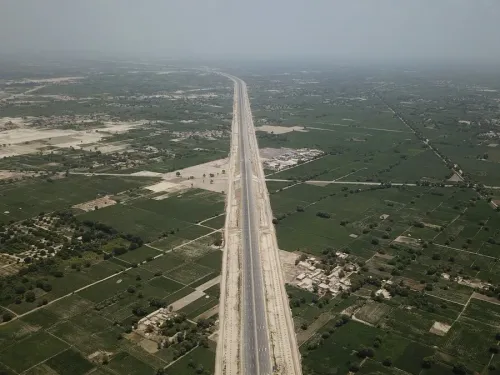
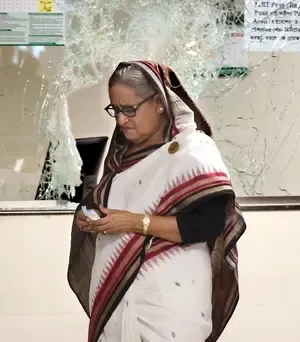
Dhaka, Dec 1 (NationPress) A court in Bangladesh has sentenced former Prime Minister Sheikh Hasina to five years in prison due to irregularities in the distribution of plots in the Purbachal New Town project, according to local media.
Her sister, Sheikh Rehana, was given a seven-year sentence, while her niece, British MP Tulip Siddiq, was sentenced to two years.
Judge Md Rabiul Alam of the Special Judge's Court-4 in Dhaka delivered the verdict without the presence of the accused, amid heightened security outside the court.
In addition, 14 other defendants received five-year sentences in the same case, with all 17 accused, including Hasina, Rehana, and Tulip, fined Bangladeshi Taka 1 lakh each, facing an additional six months in jail for failing to pay the fines, as reported by The Daily Star.
The Anti-Corruption Commission (ACC) of Bangladesh had filed six separate cases between January 12 and 14 at Dhaka Integrated District Office-1, citing irregularities in plot allocation.
This latest ruling follows a previous sentence on November 27, where Hasina received 21 years in prison in three corruption cases filed by the ACC regarding the same project.
After the verdict, Hasina and her family condemned the corruption allegations, labeling them as “malicious, politically motivated and unfounded.” They stated, “We firmly deny all allegations of corruption, claiming they are driven by political motivations from our adversaries. The ACC operates under an unelected government, relying on biased and partial evidence, and has denied us the chance to defend ourselves.”
Criticizing the interim government led by Mohammad Yunus, they added, “These charges are clearly malicious and politically motivated, and it is disappointing that the interim government is trying to implicate innocent family members who are not involved in politics.”
Earlier, the Awami League party, led by Hasina, also strongly condemned what it termed the “baseless and fabricated corruption case” against the former Prime Minister and her family, asserting that it was intended to defame them.
Point of View
The sentencing of Sheikh Hasina and her family marks a pivotal moment in Bangladesh's political climate. The allegations of corruption, whether politically motivated or not, highlight the ongoing struggles within the nation's governance and accountability. We must remain vigilant in ensuring that justice is served impartially, reflecting the interests of the people of Bangladesh.
NationPress
01/12/2025
Frequently Asked Questions
What were the charges against Sheikh Hasina?
Sheikh Hasina was charged with irregularities in the allocation of plots under the Purbachal New Town project.
What was the sentence given to her family members?
Her sister, Sheikh Rehana, received a seven-year sentence, and her niece, Tulip Siddiq, was sentenced to two years.
What are the implications of this verdict?
The verdict raises questions about the political motivations behind the charges and the implications for future governance in Bangladesh.
How has the Awami League responded?
The Awami League has condemned the charges as baseless and politically motivated, asserting that they are intended to defame the party.
What does the Anti-Corruption Commission's involvement indicate?
The ACC's involvement suggests ongoing scrutiny and attempts to address corruption within the Bangladeshi political system.