Bangladesh-Turkey defence ties risk extremist blowback, warns Eurasia Review report
Synopsis
A new Eurasia Review report delivers a stark warning to Dhaka: Turkey's embrace may be suffocating. From alleged militant recruitment in Rohingya camps to the vandalisation of Liberation War statues, the report argues that Ankara's extremist patronage — driven by Erdogan's ambitions in the Muslim world — makes Turkey a destabilising, not stabilising, partner for Bangladesh.
Key Takeaways
An Eurasia Review report warns that Bangladesh 's defence cooperation with Turkey carries significant risk due to Ankara 's alleged backing of extremist Islamist groups.
Former counter-terrorism officials, speaking anonymously, cited Turkish patronage of extremist ecosystems in Bangladesh over the past twenty months .
Turkish Foreign Minister Hakan Fidan 's pledge to support Rohingya repatriation was dismissed as a 'hoax'; the report alleges Turkish intelligence has links to militant recruitment in Rohingya camps.
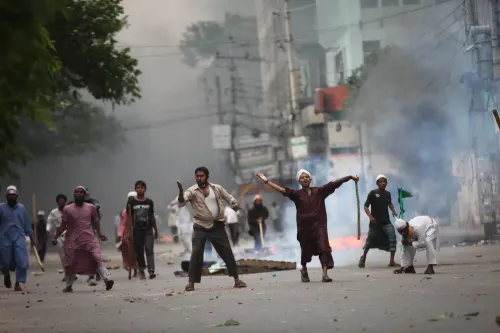
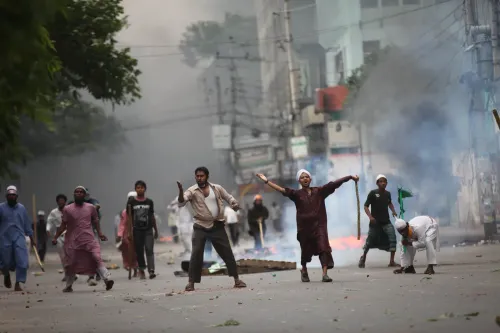
Thousands of statues tied to Bangladesh's 1971 Liberation War have reportedly been vandalised by groups allegedly backed by Ankara , described by activists as 'cultural genocide'.
The report warns that excessive reliance on Turkey could leave Bangladesh 'more complicated and vulnerable', despite a new MoU on cultural cooperation.
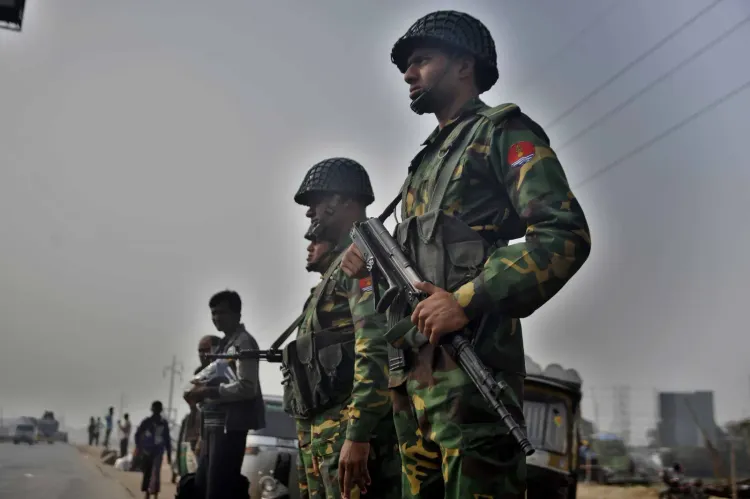
Bangladesh's growing defence cooperation with Turkey poses serious strategic risks, according to a report by Eurasia Review, which warns that Ankara's documented backing of extremist Islamist networks could leave Dhaka more vulnerable — not more secure. The report, published on 14 June, comes as millions of Bangladeshis remain mired in poverty following last year's economic deterioration.
Core Concerns Over Ankara's Extremist Ties
The Eurasia Review report alleges that Turkey has actively promoted extremist elements aimed at destabilising Bangladesh, encouraged Islamist groups in minority persecution, and emboldened militant networks that target liberal voices. According to the report, several former counter-terrorism officials — speaking on condition of anonymity, citing fear of retribution — have raised alarms over the deepening military and strategic relationship, pointing to what they describe as Turkish patronage of extremist ecosystems in Bangladesh over the past twenty months.
The report frames these activities as part of a broader geopolitical strategy by Turkish President Recep Tayyip Erdogan to position himself as a dominant voice in the Muslim world, with regional destabilisation serving as a tool of influence.
The Fidan Visit and the Rohingya Pledge
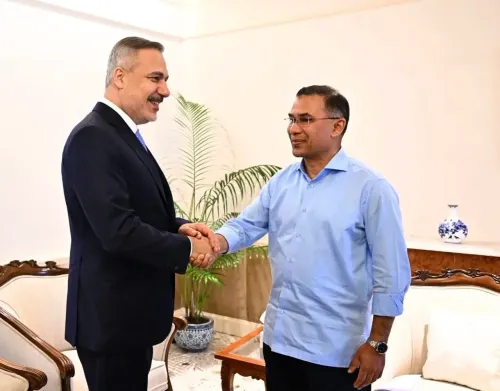
Turkish Foreign Minister Hakan Fidan's recent visit to Dhaka, where he met his Bangladeshi counterpart Khalilur Rahman, drew pointed criticism in the report. Fidan described Bangladesh as 'extremely important for a stable South Asia' — a characterisation the report called 'plainly ironic' given the alleged Turkish role in regional instability.
The report also cast doubt on Fidan's pledge of support for Rohingya repatriation, describing it as 'another hoax'. It alleged that Turkish intelligence has been linked to extremist outfits recruiting militants inside Rohingya camps, exploiting the humanitarian vacuum created by cuts to international aid.
Cultural Heritage Under Threat
The bilateral visit also produced a memorandum of understanding (MoU) on cultural cooperation, committing both nations to the preservation and promotion of shared heritage. However, the Eurasia Review report noted a stark contradiction: over the same twenty-month period, thousands of statues connected to Bangladesh's 1971 Liberation War heritage have reportedly been vandalised by groups allegedly backed by Ankara. Activists cited in the report described these acts as 'tantamount to cultural genocide'.
Strategic Calculus for Dhaka
The report acknowledged that Bangladesh has a legitimate interest in expanding defence partnerships to build self-reliance. However, it cautioned that over-dependence on a partner whose conduct is built on what it termed 'lies and deception' could leave the country in a more complicated and vulnerable position.
Summing up the risk, the report warned: 'Turkey is like a bear offering a warm woollen embrace, but Bangladesh will do well to realise that this could be really suffocating.' As Dhaka navigates its foreign policy choices, the report's findings are likely to intensify domestic debate over the true costs of the Turkey partnership.
Point of View
But the choice of Turkey as a primary partner deserves harder scrutiny given Erdogan's documented Islamist foreign policy playbook. The Rohingya angle is particularly damaging — if Turkish intelligence is indeed active in those camps, any repatriation pledge is not diplomacy but leverage. Bangladesh's policymakers need to weigh short-term partnership gains against the long-term cost of importing a patron whose regional ambitions may not align with Dhaka's stability.
NationPress
19 Sept 2026
Frequently Asked Questions
What does the Eurasia Review report say about Bangladesh-Turkey defence ties?
The report warns that Bangladesh's defence cooperation with Turkey carries serious risks because Ankara allegedly backs extremist Islamist groups, encourages minority persecution, and supports militant networks in Bangladesh. It argues that over-reliance on Turkey could leave Bangladesh more vulnerable, not more secure.
What did Turkish Foreign Minister Hakan Fidan promise during his Dhaka visit?
Fidan pledged Turkish support for Rohingya repatriation during his meeting with Bangladeshi counterpart Khalilur Rahman in Dhaka. The Eurasia Review report dismissed this as a 'hoax', alleging that Turkish intelligence has been linked to extremist outfits recruiting militants inside Rohingya camps.
How does Turkey's role in Bangladesh's cultural heritage factor into the report?
Despite signing an MoU on cultural cooperation, groups allegedly backed by Ankara have reportedly vandalised thousands of statues linked to Bangladesh's 1971 Liberation War over the past twenty months. Activists cited in the report called these acts 'tantamount to cultural genocide'.
Why is Turkey allegedly backing extremist groups in Bangladesh?
According to the report, these activities are part of Turkish President Recep Tayyip Erdogan's broader ambition to position himself as a leading figure in the Muslim world, using regional destabilisation as a tool of geopolitical influence.
Who raised concerns about Bangladesh's military cooperation with Turkey?
Several former counter-terrorism officials in Bangladesh, speaking on condition of anonymity due to fear of retribution, expressed concern over the growing military and strategic cooperation with Turkey, according to the Eurasia Review report.