Secular voices under threat as extremists gain ground in Bangladesh
Synopsis
A Bangladesh newspaper report paints a troubling picture: secular citizens and women face organised harassment while extremist networks reportedly regroup in Dhaka, exploit a post-transition political vacuum, and find public defenders. The case of a schoolteacher hounded for a dance video — set against campaigns for convicted militants — captures the alarming inversion at the heart of Bangladesh's current moment.
Key Takeaways
Bangladesh's Daily Sun report warns of growing pressure on secular voices , women's rights , and freedom of expression as of 8 August .
IEDs and explosive materials have been recovered across Dhaka ; police warn of possible militant strikes.
Intelligence inputs indicate extremist groups are recruiting via digital platforms ; several people reportedly arrested for suspected TTP links.
Head teacher Beauty Rani Pal of Sylhet district faced coordinated online harassment after posting a dance video on social media.
International research organisations warn extremists are exploiting the political vacuum following the ouster of former PM Sheikh Hasina 's Awami League government.
Foreign embassies have updated travel advisories for Bangladesh amid the deteriorating security and civil liberties environment.
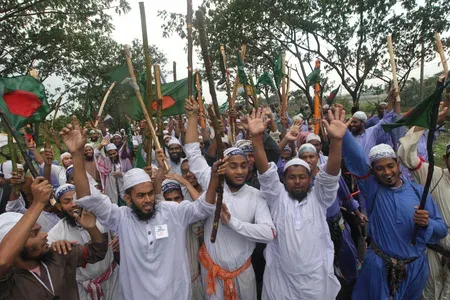
Bangladesh is experiencing a troubling transformation, with secular voices, women's rights advocates, and freedom of expression facing mounting pressure, even as individuals linked to extremist violence reportedly receive growing sympathy and organised backing, according to a report published in Bangladesh's Daily Sun newspaper on 8 August.
Extremist Networks on the Rise
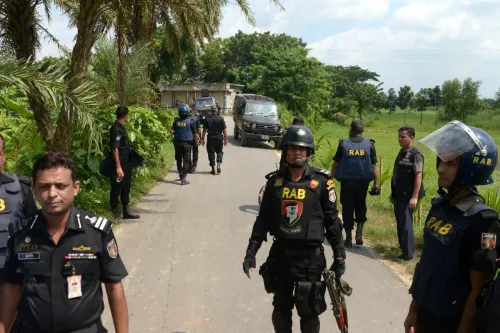
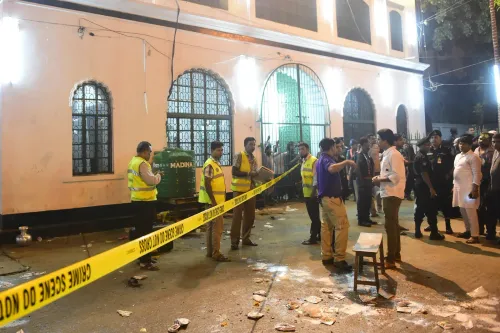
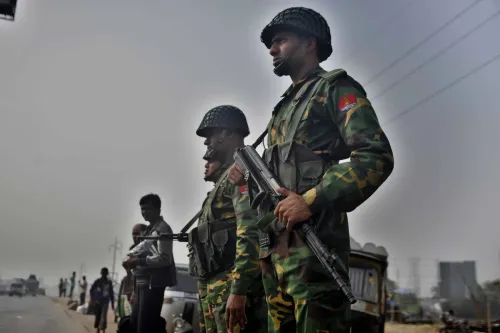
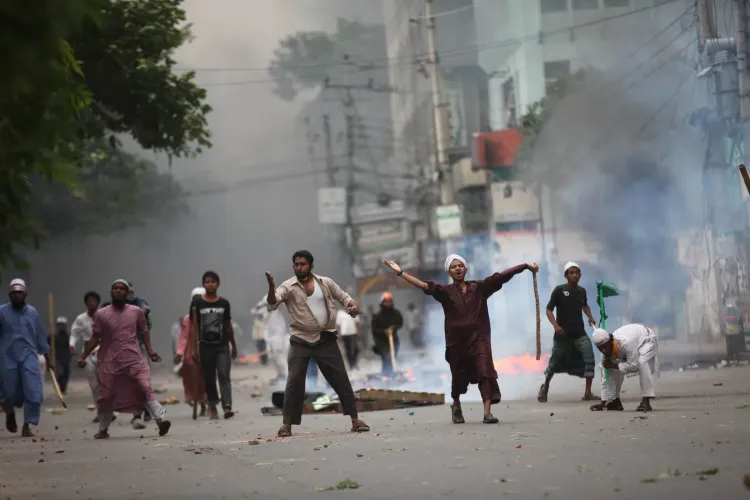
Counter-terrorism units in Dhaka have received intelligence inputs suggesting that extremist groups are actively attempting to rebuild their networks by recruiting through digital platforms. Police headquarters has issued warnings about the possibility of militant strikes, following the recovery of Improvised Explosive Devices (IEDs) and explosive-making materials across the capital in recent months. Authorities have also reportedly detained several individuals over suspected links to Tehrik-e-Taliban Pakistan (TTP).
Adding to public unease, rumours have circulated that some former militants were released during Bangladesh's recent political transition. 'Experience suggests that extremist organisations often remain dormant, waiting for favourable circumstances before exploiting weaknesses in state institutions,' the Daily Sun report noted.
International Community on Alert
Several foreign embassies have updated their travel advisories for Bangladesh, reflecting the international community's close monitoring of developments. International research organisations have warned that extremist groups are attempting to exploit the political vacuum that emerged following the ouster of former Prime Minister Sheikh Hasina's Awami League government. The report urged a balanced approach: 'It would be unwise to accept every such assessment uncritically. Equally, dismissing them as irrational fears of outsiders would also be a mistake.'
Women and Free Expression Under Pressure
A particularly stark illustration of the shifting social climate involves Beauty Rani Pal, head teacher of a primary school in Sylhet district. After she posted a video of herself dancing to a classic Bengali song on social media, she was subjected to a coordinated wave of online harassment, moral policing, and abusive commentary. Though she subsequently received support from various quarters, the episode highlighted the acute vulnerability of women in Bangladesh to intimidation and social pressure.
A Troubling Inversion of Priorities
The Daily Sun report drew a sharp contrast between the treatment of ordinary citizens and those linked to extremist violence. 'A woman faces widespread condemnation for posting a harmless dance video, while campaigns seeking impunity for a fugitive convicted in multiple murder cases appear to enjoy institutional support,' it stated. The report described this as 'an inversion of public priorities' that, it argued, should concern all stakeholders — civil society, the state, and the international community alike.
As Bangladesh navigates a fragile post-transition period, the trajectory of civil liberties and the state's capacity to contain extremist resurgence will be closely watched both domestically and abroad.
Point of View
The problem is no longer just security — it is cultural. Bangladesh's secular founding identity is being contested in real time, and the state's response, or lack thereof, will set a precedent that is difficult to reverse. The international community's travel advisories are a lagging indicator; the more urgent signal is the domestic silence from institutions that should be pushing back.
NationPress
23 Sept 2026
Frequently Asked Questions
What does the Bangladesh Daily Sun report say about extremism?
The report warns that extremist groups are attempting to revive their networks in Bangladesh by recruiting through digital platforms, exploiting the political vacuum left after the ouster of the Awami League government. It also notes the recovery of IEDs and explosive materials in Dhaka, and the alleged arrest of individuals with suspected links to Tehrik-e-Taliban Pakistan.
Who is Beauty Rani Pal and why is her case significant?
Beauty Rani Pal is the head teacher of a primary school in Sylhet district, Bangladesh. She faced a coordinated wave of online harassment and moral policing after posting a video of herself dancing to a Bengali song — a case the Daily Sun cited as emblematic of the growing intolerance and vulnerability of women in Bangladesh to social intimidation.
How is the international community responding to developments in Bangladesh?
Several foreign embassies have updated their travel advisories for Bangladesh. International research organisations have also flagged the risk of extremist groups exploiting the post-transition political vacuum, prompting calls for serious domestic reflection from within Bangladesh itself.
What is the political context behind the reported extremist resurgence?
The extremist resurgence is reportedly linked to the political transition that followed the ouster of former Prime Minister Sheikh Hasina's Awami League government. Rumours that some former militants were released during this transition have added to public anxiety, according to the Daily Sun report.
Why are secular voices and women particularly at risk in Bangladesh right now?
According to the report, individuals linked to extremist violence are receiving growing sympathy and organised support, while ordinary citizens — especially women — face harassment for everyday expressions of personal freedom. This 'inversion of public priorities,' as the Daily Sun described it, reflects a broader erosion of the social and institutional protections that secular citizens rely on.