Bangladesh militant threat grows as new extremist group 'Ittihadul Ummah' surfaces
Synopsis
A new extremist outfit named 'Ittihadul Ummah', reportedly planning to establish a Caliphate, has surfaced in Bangladesh after 23 people were detained from a Dhaka mosque. With three internationally listed fugitive extremists still at large, a Bangladesh Air Force warrant officer traced to a TTP hideout, and the UN warning of AQIS activity in the country, Bangladesh's security situation is deteriorating on multiple fronts simultaneously.
Key Takeaways
A new militant group, 'Ittihadul Ummah' , has been uncovered in Bangladesh , with alleged plans to establish a Caliphate.
23 individuals were detained from a mosque at Tejgaon College, Dhaka on suspicion of links to banned organisations.
A Bangladesh Air Force warrant officer who went missing from a Chattogram base was traced to a hideout of the banned Tehrik-i-Taliban Pakistan (TTP) .
The UN Security Council warned in August that Al-Qaida in the Indian Subcontinent (AQIS) is attempting to use Bangladesh as a base for terrorist cells.
Three internationally listed extremist leaders who fled prison after the July 2024 uprising remain at large.
Arson attacks and crude bomb blasts in Dhaka following the Tejgaon arrests have heightened security concerns.
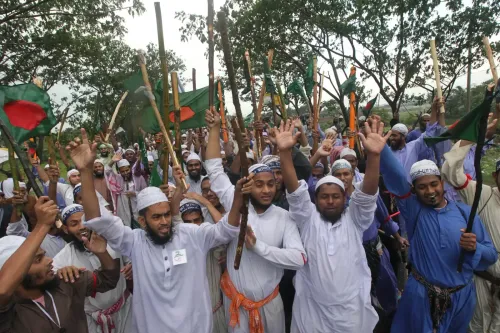
A new militant organisation calling itself 'Ittihadul Ummah' has emerged in Bangladesh, with the country's intelligence agencies probing its alleged links to foreign extremist networks, according to a report in Bangladeshi newspaper Daily Sun. The development comes against a backdrop of rising religious fundamentalism in the country since the July 2024 uprising and the subsequent ascent of an interim administration.
The Tejgaon Arrests and What They Revealed
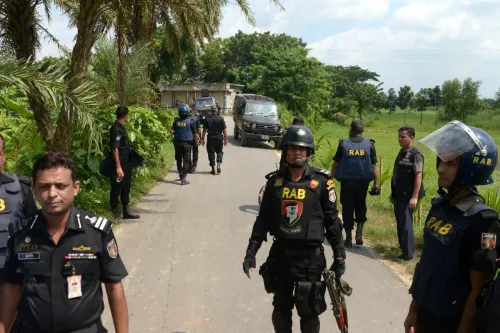
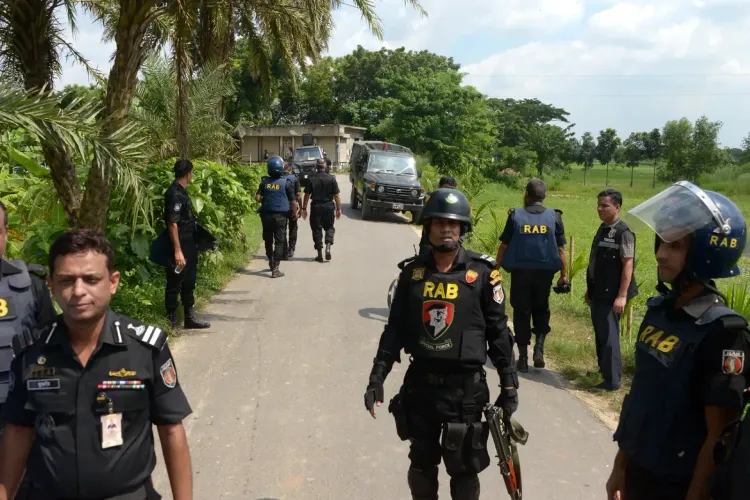
Police recently detained 23 individuals from a mosque at Tejgaon College in Dhaka on suspicion of links to banned militant organisations. According to reports, the arrests were made during a covert gathering based on prior intelligence. Officials from the Anti-Terrorism Unit (ATU) and the Counter Terrorism and Transnational Crime (CTTC) unit subsequently took the detainees into custody for questioning.
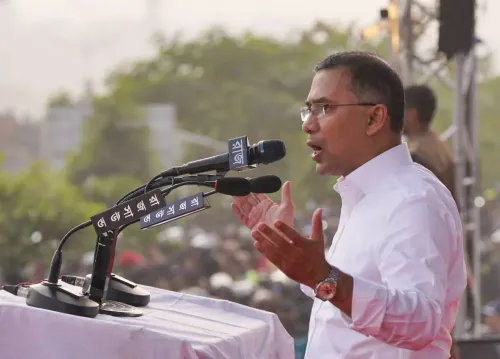
Forensic examination of the detainees' mobile phones, along with their interrogation, reportedly uncovered plans to formally constitute the group and organise activities aimed at 'establishing a Caliphate.' Bangladesh's Home Minister Salahuddin Ahmed confirmed the findings, stating: 'Through forensic analysis of the mobile phones of the individuals taken into custody in Tejgaon and their subsequent interrogation, we obtained information about plans to form an organisation named 'Ittihadul Ummah.' They are accused of organising extremist activities aimed at establishing a Caliphate.'
Arson and Explosions Raise Security Alarm
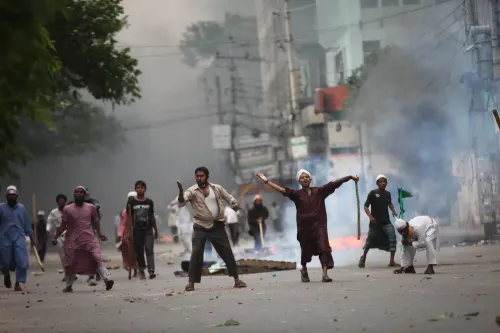
A wave of violence in Dhaka has followed the Tejgaon arrests, further alarming authorities. On 19 September, three buses were set ablaze in Mirpur and Madhya Badda, while a pickup van was torched in South Keraniganj, according to the report. Crude bomb explosions were also reported at multiple locations across the capital, with further blasts recorded the following day. The incidents have raised concerns about a coordinated effort to spread fear and panic in the city.
Wider Militant Landscape Since July 2024
The report notes that several militants have been moving freely since the July 2024 uprising, and three internationally listed extremist leaders who escaped from prison remain at large. Citing unnamed sources, the Daily Sun report warned that 'under the patronage of fundamentalists, militant activity has been on the rise in Bangladesh,' and flagged what it described as a 'deep conspiracy' to destabilise the country through religious mobilisation and foreign backing.
Notably, the threat has extended to the Bangladesh Air Force: a warrant officer who disappeared from a base in Chattogram earlier this year was reportedly traced to a hideout linked to the banned Tehrik-i-Taliban Pakistan (TTP) — a significant indicator of transnational militant networks operating inside Bangladesh.
UN Security Council Warning and International Dimension
The domestic developments align with a broader international concern. In August, the United Nations Security Council warned in its 38th report of the UN Analytical Support and Sanctions Monitoring Team that Al-Qaida in the Indian Subcontinent (AQIS) was allegedly attempting to exploit Bangladesh as a base to establish terrorist cells. The report was submitted to the Security Council committee overseeing matters related to the Islamic State, Al-Qaida, and associated groups.
As investigations into 'Ittihadul Ummah' continue and the three fugitive extremist leaders remain unaccounted for, Bangladesh's security agencies face mounting pressure to contain what analysts describe as a fast-evolving threat environment.
Point of View
Which is a qualitatively different threat from street-level radicalism. Bangladesh's interim administration under Muhammad Yunus inherited this volatility but has yet to demonstrate a coherent counter-terrorism doctrine. With AQIS flagged by the UN Security Council and three fugitive extremist leaders unaccounted for, the window for a containment strategy is narrowing — and the regional implications for India and the broader South Asian security architecture are significant.
NationPress
15 Oct 2026
Frequently Asked Questions
What is 'Ittihadul Ummah' and why is it significant?
'Ittihadul Ummah' is a newly identified militant group in Bangladesh that allegedly plans to organise extremist activities aimed at establishing a Caliphate. It came to light after Bangladeshi authorities detained 23 people from a mosque at Tejgaon College in Dhaka and conducted forensic analysis of their phones.
Why has militancy increased in Bangladesh since July 2024?
Militant activity in Bangladesh reportedly escalated following the July 2024 uprising, after which several militants began moving freely and three internationally listed extremist leaders who had escaped prison remained at large. Reports suggest foreign backing and exploitation of religious sentiments have contributed to the deteriorating security environment.
What did the UN Security Council say about Bangladesh and Al-Qaida?
In August, the UN Security Council's 38th monitoring report warned that Al-Qaida in the Indian Subcontinent (AQIS) was attempting to use Bangladesh as a base to establish terrorist cells. The report was submitted to the committee overseeing Islamic State, Al-Qaida, and associated groups.
What is the link between the Bangladesh Air Force and the TTP?
A Bangladesh Air Force warrant officer who went missing from a base in Chattogram earlier this year was reportedly traced to a hideout associated with the banned Tehrik-i-Taliban Pakistan (TTP), according to the Daily Sun report. The development signals possible transnational militant infiltration into Bangladesh's security forces.
What violence followed the Tejgaon mosque arrests in Dhaka?
Following the Tejgaon arrests, a series of arson attacks and crude bomb explosions occurred across Dhaka. On 19 September, three buses were set on fire in Mirpur and Madhya Badda, a pickup van was torched in South Keraniganj, and bomb blasts were reported at multiple capital locations over two consecutive days.