Extremist networks resurging in Bangladesh amid bomb recoveries, UNSC alert

Synopsis
Bangladesh's security landscape is fracturing — bomb blasts, IED recoveries near metro stations and a minority festival in Dhaka, over 2,000 prison escapees including seasoned militants, and nearly 400 terror-accused individuals bailed between late 2024 and mid-2025. Now the UNSC has directly linked AQIS to the November 2025 Red Fort attack in Delhi, naming Bangladesh as the group's staging ground. The threat is no longer contained within one country's borders.
Key Takeaways
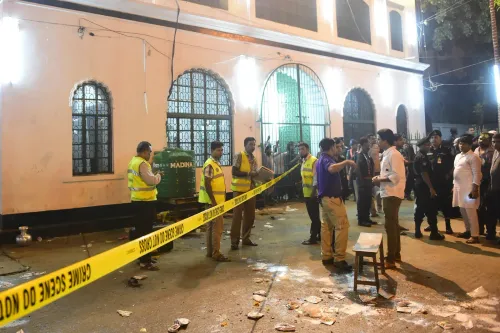
At least two bomb blasts have killed one person and security forces have recovered IEDs from more than half a dozen locations in Dhaka over the past month.
Primary suspect is Neo-JMB , an Afghan Taliban-aligned offshoot; a madrasa in Keraniganj was linked to Neo-JMB operatives following a premature blast.
The 2024 political crisis led to attacks on at least 17 prisons , freeing more than 2,000 prisoners , including dozens of militants.
Between late 2024 and mid-2025 , nearly 400 terrorism-accused individuals — including members of Neo-JMB, Ansar al-Islam, and Hizb ut-Tahrir — were reportedly granted bail.
The UNSC warned last week that AQIS is using Bangladesh as a base for terrorist cells, and linked the group to the November 2025 Red Fort attack in Delhi .
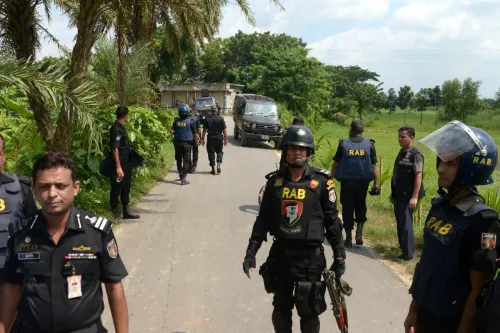
Bangladeshi authorities have placed field police on heightened alert and intensified intelligence surveillance.
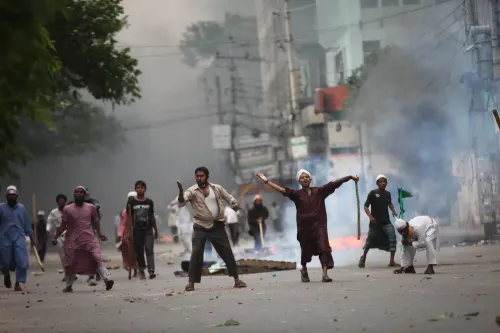
Bangladesh is confronting a troubling resurgence of extremist activity, with at least two bomb blasts claiming one life and security forces recovering explosive devices from more than half a dozen locations across Dhaka over the past month, according to a report by Bangladeshi newspaper Daily Waadaa. The discoveries — spanning busy transit hubs including metro stations and public gathering sites — point to what analysts describe as an 'orchestrated' revival of militant networks, not a series of isolated incidents.
Pattern of Explosions and Recoveries
The recovered devices include pressure-cooker bombs, pipe bombs, and other improvised explosive devices (IEDs) found at multiple sites across the capital. Notably, explosives were also recovered near the Hindu minority community's Rath Yatra festival in Dhaka. While government officials have characterised the timing as coincidental, security analysts and the Daily Waadaa report argue the pattern indicates coordinated intent rather than random occurrence.
A precursor to the current wave reportedly occurred months earlier at a madrasa in Keraniganj, where a premature blast wounded several individuals. Subsequent arrests directly linked the site to operatives of Neo Jamaat-ul Mujahideen Bangladesh (Neo-JMB), an ideological offshoot aligned with the doctrines of the Afghan Taliban, according to the report.
How the 2024 Political Crisis Enabled the Resurgence
The report traces the roots of the current threat to the severe political volatility that gripped Bangladesh in 2024. As protests and civil unrest intensified, at least 17 prisons were attacked across the country, enabling more than 2,000 prisoners to escape — among them, reportedly, dozens of seasoned militants. The breakdown extended into the judicial system: between late 2024 and mid-2025, nearly 400 individuals accused of serious terrorism-related offences — including members of Neo-JMB, Ansar al-Islam, and pan-Islamist group Hizb ut-Tahrir — were reportedly granted bail.
'This toxic combination of escaped convicts and bailed extremists has injected experienced leadership back into Bangladesh's underground networks,' the Daily Waadaa report stated. Intelligence agencies, already reeling from political restructuring, have reportedly struggled to maintain effective surveillance on these high-risk individuals, leaving their whereabouts and communication networks unclear.
UNSC Flags AQIS Threat, Links to Delhi Attack
The domestic security concern has drawn international attention. Last week, the United Nations Security Council (UNSC) warned that Al-Qaida in the Indian Subcontinent (AQIS) has been attempting to use Bangladesh as a base to establish terrorist cells. The warning appeared in the 38th report of the UN Analytical Support and Sanctions Monitoring Team, submitted to the Security Council committee dealing with the Islamic State, Al-Qaeda, and associated groups.
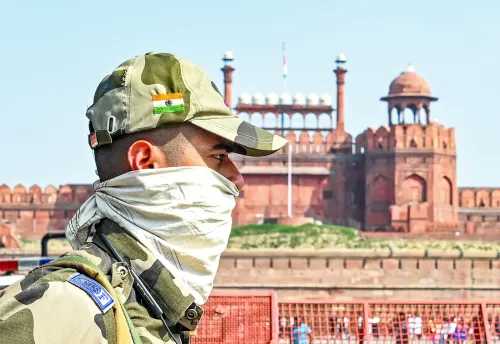
Significantly, the UNSC report linked the November 2025 Red Fort attack in Delhi to AQIS, and flagged the group's efforts to leverage Bangladesh as a launchpad for building broader regional terrorist networks. This represents a direct security concern for India, given the proximity and cross-border implications of the threat.
Security Response and What Comes Next
Bangladeshi authorities have responded by placing field police on heightened alert and strengthening intelligence surveillance. However, analysts quoted in the Daily Waadaa report caution that dismissing explosive recoveries as isolated events amounts to 'a dangerous strategy of institutional denial.' The report warned that Bangladesh stands at a precarious juncture, with the structural conditions — escaped militants, bailed extremists, and weakened intelligence capacity — still very much in place.
How quickly Bangladesh's security establishment can rebuild its surveillance architecture and re-establish control over high-risk individuals will be critical in determining whether the current wave escalates further.
Point of View
A bailed extremist pool, and a structurally weakened intelligence apparatus is not a coincidence — it is a predictable consequence of political upheaval that security planners failed to anticipate or contain. What makes this moment especially consequential is the UNSC's explicit linkage of AQIS to the November 2025 Red Fort attack, which transforms what might otherwise be treated as Bangladesh's internal security problem into a direct regional threat. India's security establishment cannot afford to treat this as Dhaka's problem alone. The real question — one mainstream coverage has largely glossed over — is whether Bangladesh's interim administration has both the political will and the institutional capacity to reassert control over a security apparatus that was deliberately dismantled during the 2024 transition.
NationPress
6 Oct 2026
Frequently Asked Questions
What is driving the resurgence of extremist activity in Bangladesh?
According to a report by Bangladeshi newspaper Daily Waadaa, the resurgence is directly linked to the political crisis of 2024, which led to attacks on at least 17 prisons and the escape of more than 2,000 prisoners, including seasoned militants. This was compounded by the bail of nearly 400 terrorism-accused individuals between late 2024 and mid-2025, effectively reinjecting experienced extremist leadership into underground networks.
Which extremist groups are suspected of involvement in the Dhaka bomb recoveries?
Neo Jamaat-ul Mujahideen Bangladesh (Neo-JMB), an ideological offshoot aligned with Afghan Taliban doctrines, is identified as the primary suspect. Other groups whose members received bail during the period include Ansar al-Islam and the pan-Islamist Hizb ut-Tahrir, according to the Daily Waadaa report.
What did the United Nations Security Council warn about Bangladesh?
The UNSC warned last week that Al-Qaida in the Indian Subcontinent (AQIS) has been attempting to use Bangladesh as a base to establish terrorist cells. The warning appeared in the 38th report of the UN Analytical Support and Sanctions Monitoring Team, which also linked AQIS to the November 2025 Red Fort attack in Delhi.
How is the Bangladesh extremist threat connected to India?
The UNSC's 38th monitoring report explicitly linked AQIS — which is reportedly using Bangladesh as an operational base — to the November 2025 Red Fort attack in New Delhi. This cross-border connection elevates the Bangladesh security situation into a direct regional concern for India.
What measures have Bangladeshi authorities taken in response?
Authorities have placed field police on heightened alert and strengthened intelligence surveillance following the series of bomb recoveries across Dhaka. However, analysts warn that the structural conditions enabling the resurgence — escaped convicts, bailed extremists, and a weakened intelligence apparatus — remain largely unaddressed.