Bangladesh bomb recoveries near Dhaka fuel Neo-JMB militant regrouping fears
Synopsis
At least 16 explosives — including pressure-cooker bombs — have been recovered near Dhaka in two weeks, with investigators linking the incidents to Neo-JMB operatives across 11 separate events since December. Experts warn that peripheral urban zones like Savar and Ashulia are being exploited as militant staging grounds, raising the spectre of a coordinated extremist resurgence in Bangladesh.
Key Takeaways
At least 16 explosives recovered from Savar and Ashulia near Dhaka over the past two weeks, including two pressure-cooker-type devices and 14 pipe bombs .
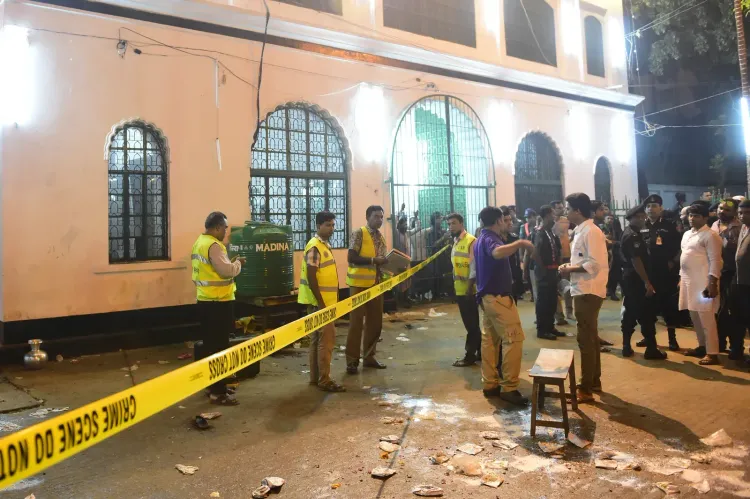
Investigators have linked suspected Neo-JMB operatives to at least 11 incidents since an explosion at Al-Qura Madrasa, South Keraniganj on 26 December .
Dhaka District SP Shamima Parveen confirmed intelligence inputs preceded the recoveries, indicating militants had prepared two large destructive bombs.
Crime expert Touhidul Haque of Dhaka University flagged Savar, Narayanganj and Gazipur as emerging criminal and militant shelter zones.
Human rights activist Nur Khan Liton warned against dismissing the threat as staged, cautioning that extremist ideologies can lie dormant before re-emerging.
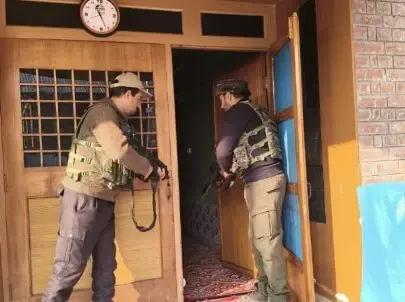
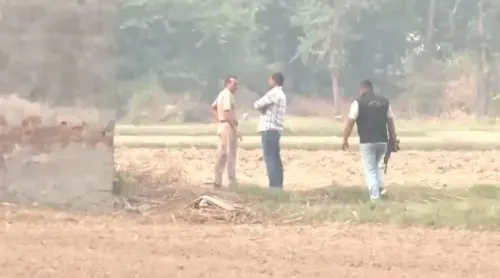
Bangladesh is confronting a fresh wave of security concerns after at least 16 explosives were recovered from the Savar and Ashulia areas near Dhaka over the past two weeks, with investigators linking several incidents to suspected Neo-Jamatul Mujahideen Bangladesh (Neo-JMB) operatives. Authorities have warned of possible plans for major acts of sabotage, according to reports citing Bangladeshi security officials.
Scale of Recoveries
The haul includes two powerful pressure-cooker-type devices and 14 pipe bombs, along with bomb-making materials seized in separate police operations last week. One particularly alarming find was a powerful device recovered near a madrasa and mosque in Savar, underscoring the proximity of the threat to civilian religious spaces.
Dhaka District SP Shamima Parveen confirmed that intelligence inputs had flagged the presence of suspected militants in the area before the recoveries. We had some information. We learned that militants might be staying here. As you know, those who were involved in the Keraniganj madrasa incident came from there and took shelter with us here. We had information that they had made two big and destructive bombs. We were able to recover both of them,
Parveen was quoted as saying.
Broader Pattern Since December 2024
Investigators believe the current incidents are not isolated. According to reports, Neo-JMB members may have links to at least 11 incidents since an explosion at Al-Qura Madrasa in South Keraniganj on 26 December, encompassing bomb attacks, weapons recoveries, and explosives found across Dhaka and surrounding districts.
Police have intensified intelligence surveillance, patrols, and search operations in response. However, critical questions remain unresolved — including who is producing the explosives, the source of raw materials, and whether these incidents represent a coordinated effort to rebuild militant networks.
Expert Assessment
Crime expert Touhidul Haque of Dhaka University said peripheral urban zones have become preferred hideouts for extremist elements. Areas around Dhaka like Savar, Narayanganj and Gazipur have become a kind of shelter for criminals. They choose these areas because it is relatively easy to live on little money, blend in with locals, and make bomb cocktails. Criminals are also brought here from other places and kept here,
he said. Haque called for stronger intelligence collection, tighter tenant verification procedures, and closer monitoring of materials that could be used in explosives.
Credibility Debate and Rights Concerns
Bangladeshi human rights activist Nur Khan Liton cautioned against dismissing the discoveries as staged events, even as public scepticism persists. He attributed lingering doubts to controversies over alleged militant incidents during the previous government. Since people have seen or suspected many staged dramas in the past, they have a suspicion in this case too. But as much as there was reason to suspect in the context of that time, there is less reason to suspect in today's context. No thought or ideology actually dies. It can be temporarily stagnant for various reasons,
Khan said.
He assessed that extremist elements may be working to re-establish themselves, recruit new members, and secure avenues for training — a warning that security agencies will be under pressure to address with verifiable, transparent action.
Point of View
And the geographic clustering around Dhaka's peri-urban fringe — Savar, Ashulia, Narayanganj — suggests deliberate operational planning rather than opportunistic criminality. What is striking is the credibility gap: Bangladesh's security establishment must now demonstrate transparency in its investigations to overcome public scepticism shaped by past alleged 'staged' militant incidents. The unresolved questions around explosive sourcing and production are the most troubling — they point to a supply chain that remains intact and undetected. If Neo-JMB is indeed reconstituting, the window for disruption is narrowing.
NationPress
5 Oct 2026
Frequently Asked Questions
What explosives have been recovered near Dhaka in Bangladesh?
At least 16 explosives have been recovered from Savar and Ashulia near Dhaka over the past two weeks, including two pressure-cooker-type devices and 14 pipe bombs, along with bomb-making materials seized in separate police operations.
Who is suspected to be behind the bomb recoveries in Bangladesh?
Investigators have linked several incidents to suspected Neo-Jamatul Mujahideen Bangladesh (Neo-JMB) operatives. Authorities believe Neo-JMB members may have connections to at least 11 incidents since an explosion at Al-Qura Madrasa in South Keraniganj on 26 December.
Why are areas like Savar and Ashulia considered high-risk zones?
According to Dhaka University crime expert Touhidul Haque, peripheral urban areas like Savar, Narayanganj, and Gazipur offer low living costs, easy blending with local populations, and relatively loose oversight — making them attractive operational bases for militants and criminals.
What steps have Bangladesh authorities taken in response?
Police have stepped up intelligence surveillance, patrols, and search operations. Dhaka District SP Shamima Parveen confirmed that prior intelligence inputs enabled the recovery of two large destructive bombs. Experts have additionally called for tighter tenant verification and monitoring of explosive precursor materials.
Is there scepticism about whether the militant threat is genuine?
Human rights activist Nur Khan Liton acknowledged public doubt stemming from controversies over alleged staged militant incidents under the previous government, but cautioned that the current context offers less reason for such scepticism, warning that extremist ideologies can lie dormant and re-emerge.