7 IEDs seized in Abujhmad as Chhattisgarh Police-ITBP operation scores major find
Synopsis
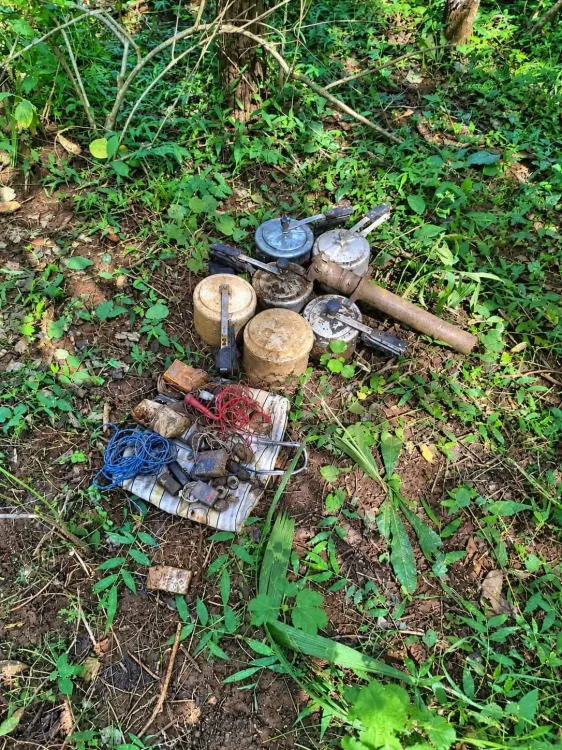
Seven IEDs — including six pressure cooker bombs and a pipe bomb — have been recovered from a suspicious dump in Chhattisgarh's remote Abujhmad forest, along with IED-assembly tools. The joint Narayanpur Police-ITBP find signals an active pre-positioned threat in one of India's most sensitive LWE corridors.
Key Takeaways
A joint Narayanpur Police and ITBP 29th Battalion operation in Abujhmad, Chhattisgarh recovered 7 IEDs on 6 October 2025 .
Devices comprised six pressure cooker IEDs and one pipe bomb IED , all found at a suspicious dump in the Bhatbeda area .
Fabrication materials — including a multimeter, soldering iron, and three vehicle-opening keys — were also seized, suggesting an active assembly setup.
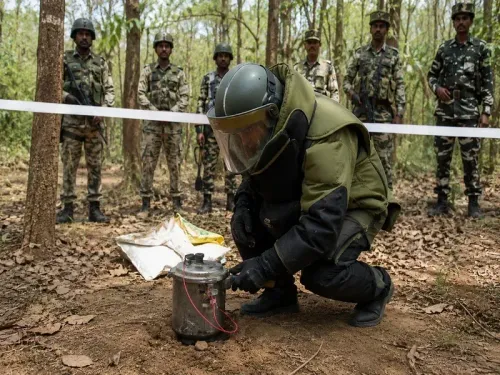
All explosives were safely destroyed on the spot by the Bomb Detection and Disposal Squad led by ASI Mohan .
The operation was led by SP Sandeep Kumar Patel , ITBP Commandant Abhishek Sood , and ASP (Operations) Akshay Sabdra .
Residents in the region have been advised to report any suspicious activity to the nearest police or security post.
A joint security operation in the remote and sensitive Abujhmad region of Chhattisgarh has yielded the recovery of seven improvised explosive devices (IEDs) — six pressure cooker IEDs and one pipe bomb IED — along with fabrication materials, officials confirmed on Monday, 6 October 2025. The operation was conducted by a combined team of Narayanpur Police and the 29th Battalion of the Indo-Tibetan Border Police (ITBP), marking a significant find in an area that has long been a flashpoint for Maoist activity.
How the Operation Unfolded
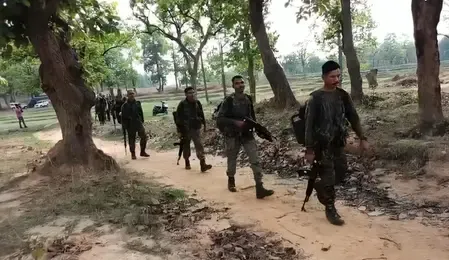
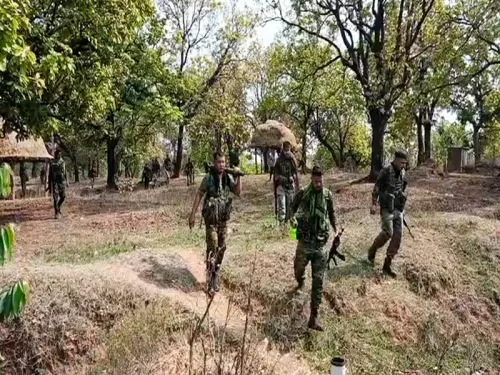
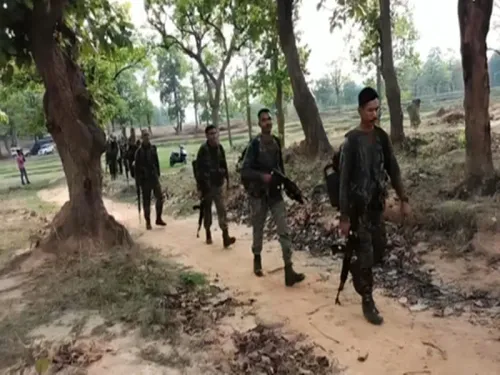
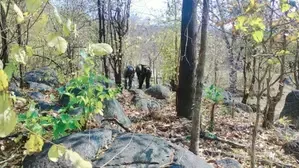
The search was led by Superintendent of Police Sandeep Kumar Patel, ITBP Battalion Commandant Abhishek Sood, and Additional Superintendent of Police (Operations) Akshay Sabdra. Security forces conducted a thorough area sanitisation sweep stretching from the Rainar camp through the Maksoli-Bhatbeda-Rainar belt in Abujhmad.
During combing of the Bhatbeda area, personnel spotted suspicious objects. The site was immediately cordoned off and subjected to a detailed sweep of the surrounding vicinity. This led to the discovery of all seven IEDs from what police described as a suspicious dump.
What Was Recovered
Alongside the seven explosive devices, security forces seized an array of fabrication tools, indicating an active assembly capability. The seized materials included one multimeter, one screwdriver, one soldering wire, one soldering iron, and three vehicle-opening keys — items commonly used in the construction and triggering of IEDs.
The recovered explosives were safely destroyed on the spot by the Bomb Detection and Disposal Squad (BDDS), operating under strict safety protocols. The disposal team was led by Assistant Sub-Inspector Mohan.
Security Context in Abujhmad
Abujhmad — a heavily forested, largely unmapped expanse spread across Narayanpur and parts of neighbouring districts — has historically served as a refuge and operational corridor for Left Wing Extremist (LWE) groups. The recovery of ready-to-use IEDs alongside assembly tools points to a pre-positioned stockpile, according to police officials. This is the latest in a series of anti-explosive operations that security forces have mounted in the region in recent months.
Notably, the discovery of fabrication equipment alongside finished devices suggests that the dump may have served as both a storage and assembly point — a more serious threat profile than a simple cache of planted mines.
Official Response and Public Advisory
Officials described the operation's success as the result of sustained vigilance, inter-agency coordination, and continuous intelligence-driven patrolling. According to police, joint operations of this nature are critical for denying anti-national elements the space to plant or stockpile explosive devices in remote forested zones.
Local residents of the Abujhmad region have been advised to stay alert and immediately report any unusual or suspicious activity to the nearest police or security post. Intensive search operations in the area are expected to continue.
Point of View
Not just a planted minefield. Abujhmad's dense forest cover and administrative remoteness have historically made it difficult to interdict such stockpiles before they are deployed. The sustained joint Police-ITBP tempo suggests a deliberate operational push to degrade LWE logistics in the region, but the presence of ready-to-use devices also indicates that the threat remains far from neutralised. Sustained community intelligence will be as critical as ground operations in keeping the area secure.
NationPress
6 Oct 2026
Frequently Asked Questions
How many IEDs were recovered in the Abujhmad operation?
Seven IEDs were recovered — six pressure cooker improvised explosive devices and one pipe bomb IED — from a suspicious dump in the Bhatbeda area of Abujhmad, Chhattisgarh, on 6 October 2025.
Who conducted the Abujhmad IED recovery operation?
The operation was jointly conducted by Narayanpur Police and the 29th Battalion of the ITBP. It was led by SP Sandeep Kumar Patel, ITBP Battalion Commandant Abhishek Sood, and ASP (Operations) Akshay Sabdra.
Were the recovered IEDs safely neutralised?
Yes, all seven recovered IEDs were safely destroyed on the spot by the Bomb Detection and Disposal Squad, operating under strict safety protocols. The disposal team was led by Assistant Sub-Inspector Mohan.
What other materials were seized alongside the IEDs?
Security forces also seized IED fabrication tools, including one multimeter, one screwdriver, one soldering wire, one soldering iron, and three vehicle-opening keys — indicating the dump may have served as an assembly point as well as a storage site.
Why is Abujhmad considered a sensitive security zone?
Abujhmad is a heavily forested, largely unmapped region in Narayanpur and surrounding districts that has historically been used by Left Wing Extremist groups as an operational corridor and refuge. Its remote terrain makes it difficult for security forces to conduct regular surveillance, making periodic joint operations critical.