IED found on Rath Yatra route in Dhaka's Motijheel, Hindu community targeted
Synopsis
A pipe bomb packed with 1.5 kg of sulphur and metal shrapnel, hidden inside an umbrella near a Dhaka metro station, was planted to detonate during a Rath Yatra procession — one of Hinduism's most public festivals. That it was found in time is fortunate; that it was planted at all signals an alarming escalation in targeted violence against Bangladesh's Hindu minority.
Key Takeaways
Dhaka police defused an IED planted along a Rath Yatra procession route near Motijheel metro station on the night of 25 July 2025 .
The device contained 1.5 kg of sulphur , barbed wire, and sharp metal fragments concealed inside an abandoned umbrella.
A case has been registered against unknown individuals under Bangladesh's Explosive Substances Act .
Bystander Miraj Ahmed, 33 , was injured by shrapnel during the neutralisation operation and hospitalised at Dhaka Medical College Hospital .
The incident follows the alleged detention of Hindu community figure Haridas Chandra Tarani Das on 12 July and ongoing protests by the Bangladesh Hindu Buddhist Christian Unity Council .
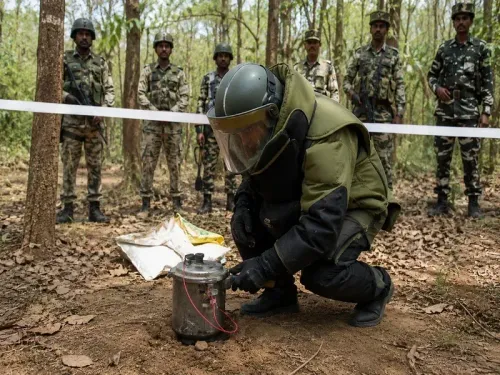
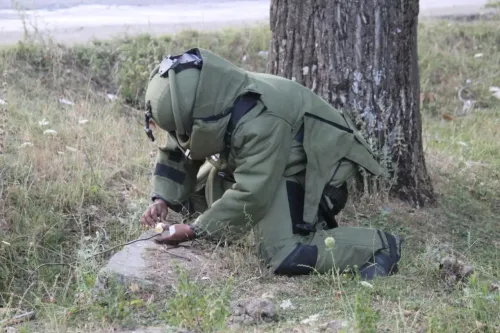
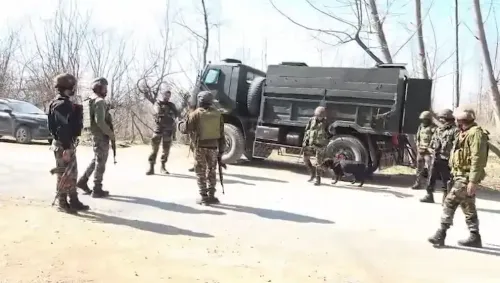
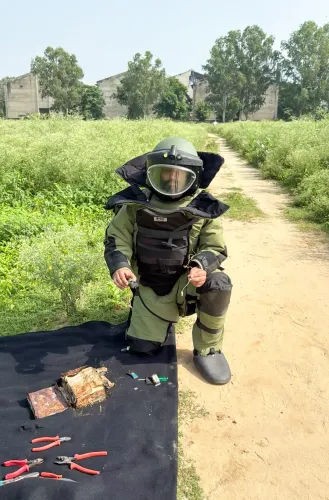
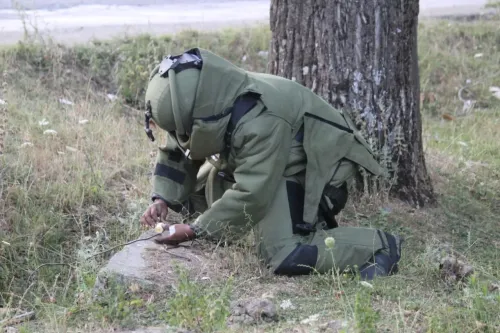
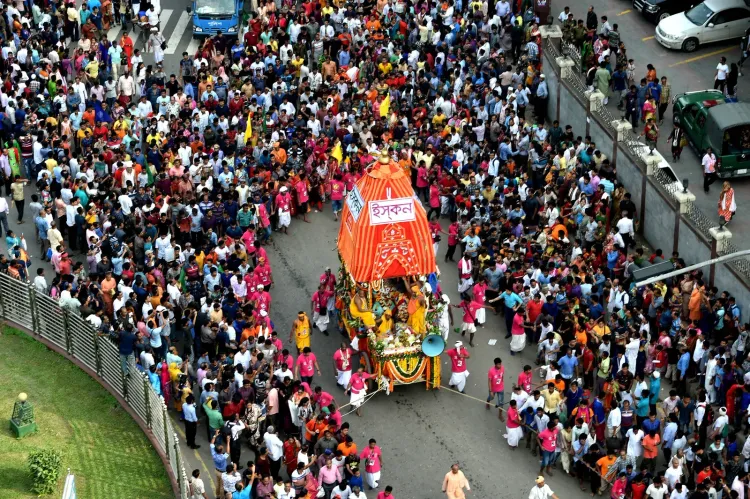
Dhaka police defused a powerful Improvised Explosive Device (IED) planted along the route of a Rath Yatra procession near Motijheel metro station in Dhaka, Bangladesh, on the night of Friday, 25 July, local media reported. The device was discovered before the procession passed, averting what officials described as a potentially deadly attack on the Hindu community.
How the Device Was Found
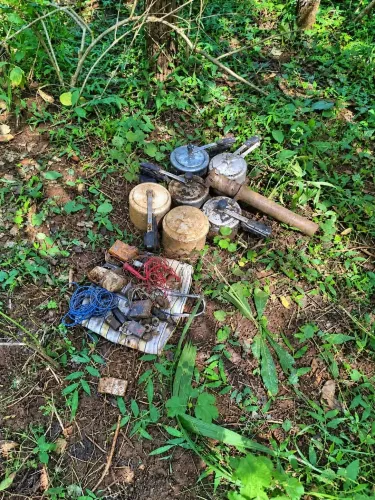
Dhaka Metropolitan Police (DMP) Assistant Commissioner (Motijheel Zone) Hussain Muhammad Farabi confirmed that a 'cocktail' explosive was concealed inside an abandoned umbrella left beneath Motijheel metro station, according to Bangladeshi outlet bdnews24. A bomb disposal official told the outlet that the IED contained approximately 1.5 kg of sulphur, along with barbed wire and sharp metal fragments.
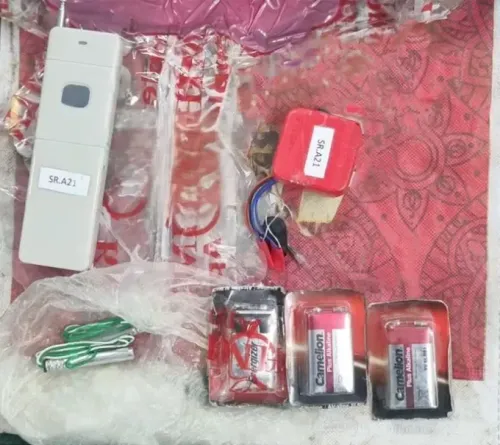
'It was a pipe bomb. If someone had pressed the umbrella's button to open it, the circuit would have triggered an explosion. The metal fragments would then have acted as shrapnel, causing serious injuries to people nearby,' the official said.
One Person Injured During Neutralisation
During the operation to neutralise the device, a passerby sustained injuries from shrapnel. The victim, identified as 33-year-old Miraj Ahmed, was admitted to Dhaka Medical College Hospital with an injury near his left eye. 'I heard a loud explosion. A piece of shrapnel hit me below my left eye,' The Daily Star quoted Ahmed as saying.
Motijheel Police Sub-Inspector Mukta registered a case against unknown individuals under Bangladesh's Explosive Substances Act. The case filing states the explosive was planted as part of 'a premeditated attempt to endanger public safety and create panic by detonating an explosive.'
Pattern of Attacks on Minorities in Bangladesh
The incident comes amid deepening concerns over the safety of religious minorities in Bangladesh. Such incidents have reportedly continued under both the Muhammad Yunus-led interim government and the current Bangladesh Nationalist Party (BNP) administration, critics say.
Notably, just last week, leaders of the Hindu community demanded the immediate release of Haridas Chandra Tarani Das — the man who proposed the construction of an 81-foot-tall statue of Lord Ram within the Sri Sri Radha Govinda and Kali Temple in Palashbari upazila, Gaibandha district. Das was reportedly taken into custody from the Palashbari temple area on 12 July in connection with an alleged money laundering case registered at Uttara West Police Station in Dhaka.
Community Groups Call for Protection
Demands for Das's release were raised at a protest rally organised by the Bangladesh Hindu Buddhist Christian Unity Council outside the Jatiya Press Club in Dhaka. Protesters urged the Bangladesh government to safeguard religious freedom, halt alleged attacks on minority communities, and stop what they called 'interference' in the construction of places of worship, according to The Daily Star.
With the Rath Yatra IED incident now added to a growing list of alleged anti-minority incidents, pressure is mounting on Dhaka to demonstrate credible action on minority protection ahead of upcoming religious observances.
Point of View
Placed at a chokepoint. Bangladesh's interim and BNP administrations have repeatedly pledged minority protection, but the pattern of incidents — temple arrests, detention of community figures, and now an IED on a festival route — suggests enforcement has not matched rhetoric. The international community, including India, will be watching whether Dhaka treats this as a one-off or as evidence of a systemic failure.
NationPress
24 Oct 2026
Frequently Asked Questions
What happened on the Rath Yatra route in Dhaka?
Dhaka police discovered and defused an IED hidden inside an abandoned umbrella near Motijheel metro station on the night of 25 July 2025. The device had been planted along the route of a Rath Yatra procession to target the Hindu community, according to police.
What was inside the IED found in Motijheel?
The pipe bomb contained approximately 1.5 kg of sulphur, barbed wire, and sharp metal fragments. A bomb disposal official said the device was designed so that pressing the umbrella's open button would complete an electrical circuit and trigger the explosion, sending metal shrapnel into the crowd.
Was anyone hurt in the Dhaka IED incident?
Yes. A bystander, 33-year-old Miraj Ahmed, was injured by shrapnel during the neutralisation operation and was admitted to Dhaka Medical College Hospital with an injury near his left eye.
Who has been charged in connection with the Motijheel IED?
A case has been registered against unknown individuals under Bangladesh's Explosive Substances Act by Motijheel Police Sub-Inspector Mukta. No arrests had been reported at the time of writing.
What is the broader context of attacks on Hindus in Bangladesh?
The IED incident is part of a pattern of alleged attacks on religious minorities in Bangladesh that has continued under both the Muhammad Yunus-led interim government and the current BNP administration. Recent incidents include the detention of Hindu community figure Haridas Chandra Tarani Das on 12 July and ongoing protests by the Bangladesh Hindu Buddhist Christian Unity Council demanding minority protection.