Was a Suspected IED Found in Ganderbal District of J&K?
Synopsis
On February 21, security forces discovered a suspected IED in Ganderbal district, Jammu and Kashmir, on the Ganderbal-Safapora road. This prompted an immediate response, including area lockdown and traffic suspension. The incident highlights ongoing terrorist threats targeting security forces and VIPs in the region.
Key Takeaways
Security forces detected a suspected IED in Ganderbal district.
Immediate actions included cordoning off the area and suspending traffic.
IEDs are a persistent threat in the region, often targeting security personnel.
Past IED attacks have led to significant casualties.
Ongoing patrols are essential to prevent future incidents.
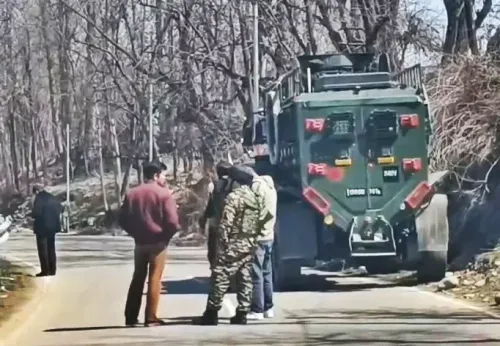
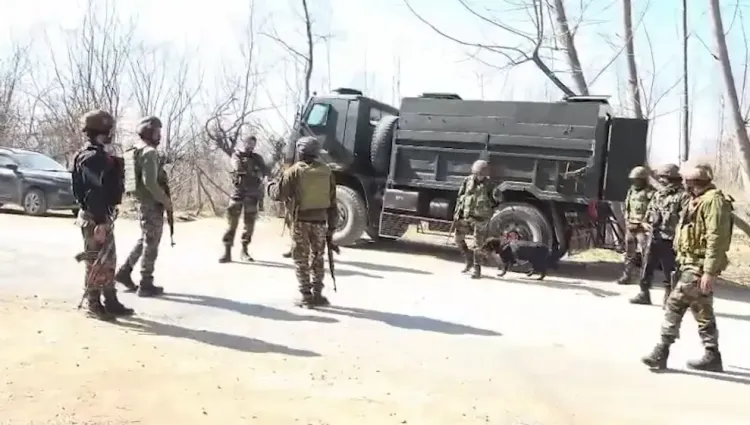
Srinagar, Feb 21 (NationPress) On Saturday, law enforcement agencies identified a suspected improvised explosive device (IED) along the Ganderbal-Safapora route in Ganderbal district, Jammu and Kashmir. This led to authorities cordoning off the area and halting traffic as a safety measure.
According to officials, the suspected IED was found on the Ganderbal-Safapora road.
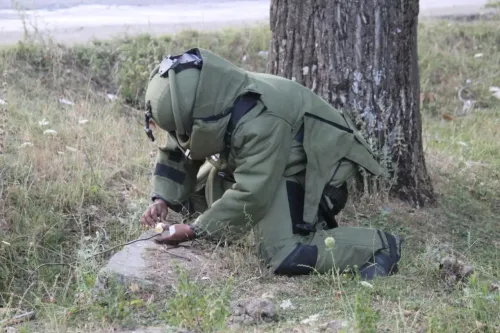
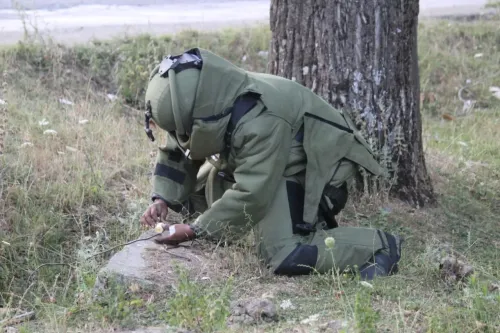
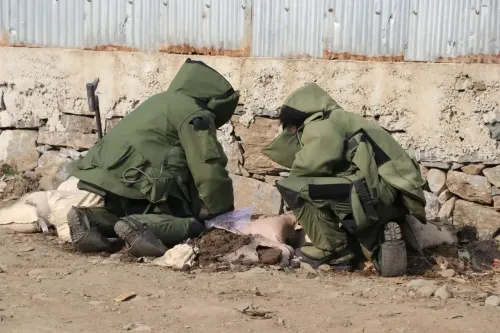
“Security personnel swiftly enclosed the scene, and all traffic in the area was halted. The Bomb Disposal Squad has arrived to neutralize the suspected IED,” officials stated.
Terrorists have increasingly targeted VIPs, security personnel, local police, and military units by planting IEDs along routes frequented by these groups.
These devices are also employed to ambush the convoys of VIPs and senior security officials. In several past incidents, IED explosions have resulted in significant casualties among security forces.
In a notable instance, on February 14, 2019, a suicide bomber loaded with explosives crashed his vehicle into a CRPF convoy in Lethpora, Pulwama district, resulting in the martyrdom of forty brave CRPF personnel. This attack escalated tensions between India and Pakistan, bringing both nuclear nations to the brink of conflict.
To counter the IED threat, patrols of army and paramilitary units are routinely deployed at dawn on major roads and highways in J&K to ensure that no IEDs have been planted by terrorists.
IEDs pose a serious threat to global security forces and humanitarian agencies. Typically made from various materials, often non-military in nature, these devices are challenging to track and detect.
The design and application of these devices can differ significantly based on available materials and their intended targets, ranging from small packages to substantial vehicle-based threats.
Since many IEDs utilize common industrial chemicals or repurposed electronics, they are difficult to identify with standard military explosive detection tools.
Point of View
It's important to acknowledge the gravity of the situation in Jammu and Kashmir. The detection of a suspected IED is a stark reminder of the ongoing threat posed by terrorism. It underscores the need for continued vigilance and proactive measures by security forces to protect civilians and ensure safety in the region.
NationPress
2 Oct 2026
Frequently Asked Questions
What was discovered in Ganderbal district?
A suspected improvised explosive device (IED) was found on the Ganderbal-Safapora road.
What actions were taken by the authorities?
Authorities cordoned off the area and suspended traffic as a precautionary measure.
Why are IEDs a concern in Jammu and Kashmir?
IEDs are often used by terrorists to target security forces and VIPs, posing a significant threat to safety.
What happened in the past due to IED attacks?
There have been severe casualties among security forces due to IED explosions, including the tragic Pulwama attack in 2019.
How do authorities combat the threat of IEDs?
Patrols by army and paramilitary forces are conducted regularly to monitor roads and highways for any planted IEDs.