Is Rising Islamist Extremism in Bangladesh a Threat to Global Stability?
Synopsis
A recent report reveals alarming trends of Islamist extremism in Bangladesh, with serious implications for global stability. As violence against minorities escalates and social acceptance of religious vigilantism rises, experts warn that the repercussions could extend to European cities and Jewish communities worldwide. Addressing this issue is critical for international security.
Key Takeaways
Bangladesh is facing a significant rise in Islamist extremism.
Mob violence and intimidation against minorities are becoming more common.
The current political regime is linked to these trends.
Religious violence is gaining social legitimacy.
The implications of this situation extend beyond Bangladesh.
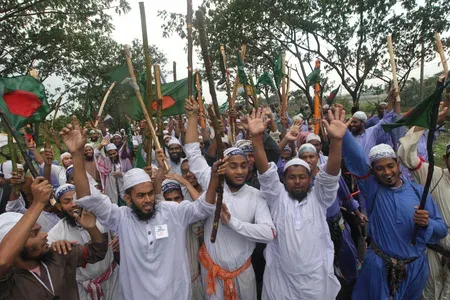
Tel Aviv, Dec 29 (NationPress) The trend of Bangladesh moving towards Islamist extremism, fueled by a sense of complacency, poses a significant strategic concern that extends beyond its borders. If not addressed, it could have serious implications for European cities and threaten Israeli and Jewish communities globally, as outlined in a report released on Monday.
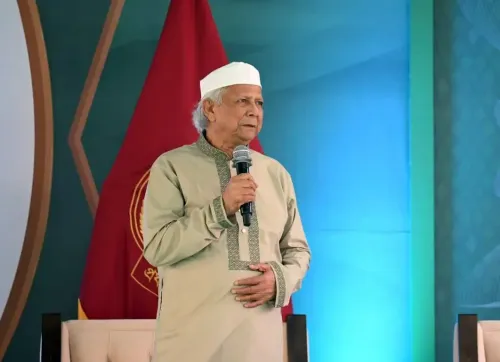
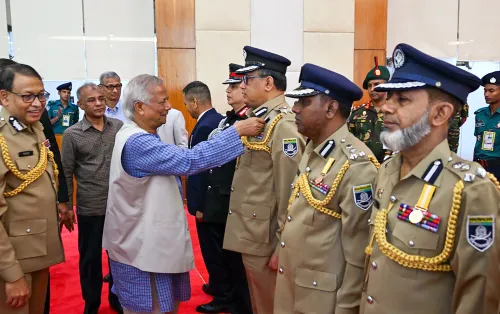
According to Sergio Restelli, an Italian political consultant, author, and geopolitical analyst, Western policymakers have long viewed Bangladesh as a secondary issue in the battle against Islamist extremism. The perception that it is too remote and focused on its internal affairs to warrant attention is rapidly disintegrating under the current administration of Nobel laureate Muhammad Yunus.
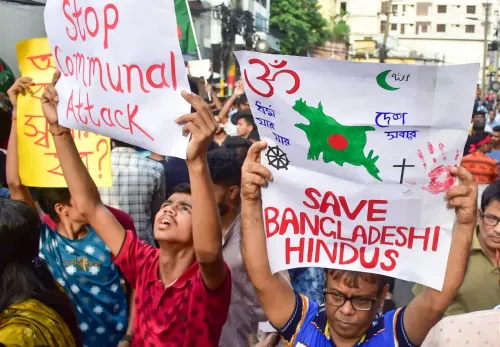
Restelli highlighted the recent tragic incident involving Dipu Chandra Das, a Hindu youth who was lynched amidst religious tensions, indicating that the lack of law enforcement response is not an isolated case. It reveals a deeper, more alarming transformation occurring within one of the world's largest Muslim-majority nations.
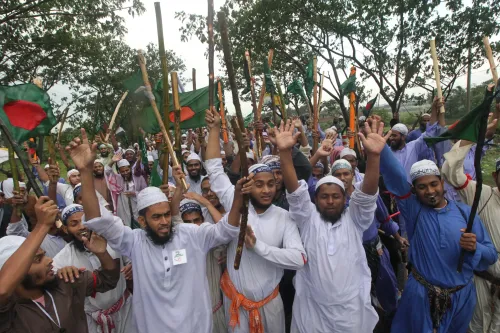
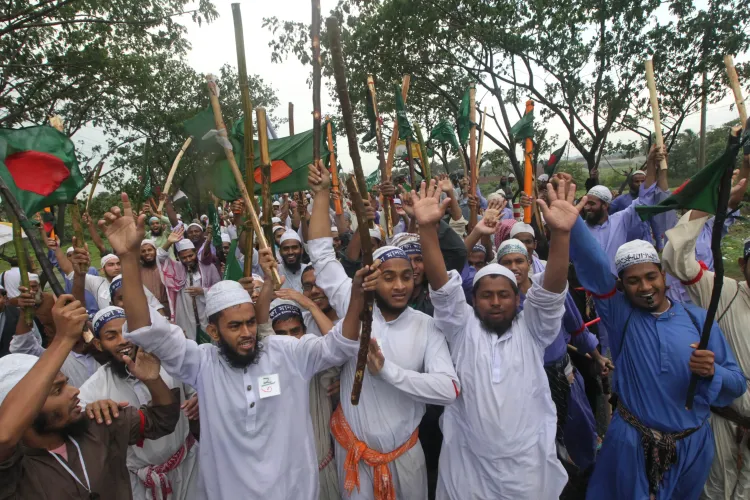
Bangladesh is witnessing an alarming trend towards Islamism, characterized by mob violence, intimidation against minorities, suppression of secular voices, and the normalization of religious vigilantism. These events are often dismissed as mere internal law-and-order complications by Yunus, who ascended to power following a coup backed by the Muslim Brotherhood that ousted democratically elected Sheikh Hasina. However, they signify the emergence of an ideological environment that transcends Bangladesh’s borders, increasingly aligning with global jihadist ideologies hostile to the West, particularly fixated on Israel.
The brutal murder of Das underscores not only the precariousness of the Hindu minority in Bangladesh but also highlights the troubling social acceptance of religious violence.
The report emphasizes, “Lynching is not spontaneous; it requires moral permission. When mobs act in the name of religious righteousness and face weak consequences, extremism migrates from the margins to the mainstream.” This transition is what should concern security officials in Israel and Europe.
Moreover, the report pointed out that when religious minorities are killed without repercussions, when mob violence is legitimized, and when Islamist rhetoric connects local grievances to global animosities, the implications extend far beyond national boundaries. “What starts as persecution of Hindus in Bangladesh could eventually lead to radicalization pathways affecting European cities and, ultimately, Israeli and Jewish targets worldwide,” it cautioned.
Point of View
I believe it is vital to recognize the growing threat of Islamist extremism in Bangladesh. The rise in violence against minorities and the normalization of mob justice poses significant risks not only within the country but also globally. Addressing this trend requires international attention and action to safeguard communities at risk and uphold human rights.
NationPress
19 Sept 2026
Frequently Asked Questions
What is the current situation regarding Islamist extremism in Bangladesh?
Bangladesh is experiencing a troubling drift towards Islamist extremism, characterized by mob violence against minorities, religious vigilantism, and a lack of effective law enforcement response.
How does this situation affect global security?
The rise of Islamist extremism in Bangladesh poses a potential threat to global stability, with implications that could extend to European cities and Jewish communities worldwide if left unchecked.
What recent incidents highlight these concerns?
The lynching of Hindu youth Dipu Chandra Das, amid religious tensions and lack of law enforcement action, exemplifies the growing acceptance of violence against minorities in Bangladesh.
What should be done to address these issues?
International attention and intervention are crucial to address the rise of Islamist extremism, protect vulnerable communities, and uphold human rights in Bangladesh and beyond.
What role do Western policymakers play in this situation?
Western policymakers have historically overlooked Bangladesh in the fight against Islamist extremism, but this perception is changing as the situation escalates.