Bangladesh's Khalilur Rahman elected UNGA President; Jaishankar extends support
Synopsis
Bangladesh's Khalilur Rahman has won the UNGA presidency in a 99-91 vote that pitted the OIC bloc against Western backers of Cyprus's Andreas Kakouris. Jaishankar's quick congratulations signal India's intent to keep the Dhaka channel open at the UN, even as the 81st session braces for a budget crisis and the next Secretary-General race.
Key Takeaways
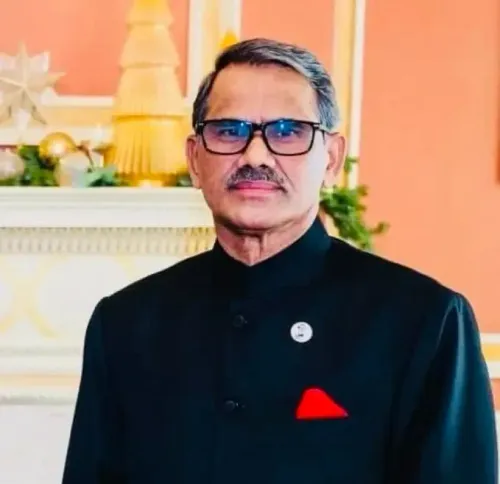
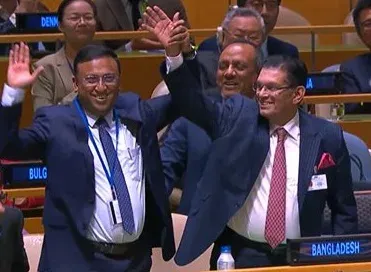
Khalilur Rahman , Bangladesh's Foreign Minister, was elected President of the 81st UN General Assembly on 2 June .
He defeated Cyprus's Andreas Kakouris by 99 votes to 91 in the 193-member body.
EAM S Jaishankar congratulated him on X and pledged closer multilateral cooperation.
Rahman's presidency theme: “Restoring Trust, Managing Transformation: A United Nations that Delivers for All”.
The session will oversee the next UN Secretary-General election and a looming budgetary crisis.
This is only the second time a Bangladeshi will lead the UNGA after Humayun Rasheed Chowdhury in 1986-87 .
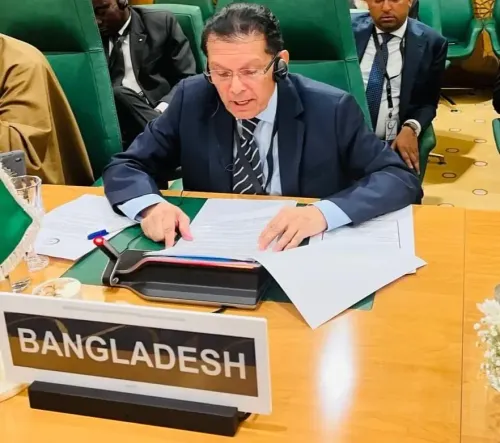
Bangladesh Foreign Minister Khalilur Rahman was elected President of the 81st Session of the United Nations General Assembly on Tuesday, 2 June, narrowly defeating Cypriot diplomat Andreas Kakouris in a closely contested vote. Rahman secured 99 of the 190 votes cast in the 193-member body, while Kakouris polled 91, in a contest that exposed sharp diplomatic fault lines at Turtle Bay.
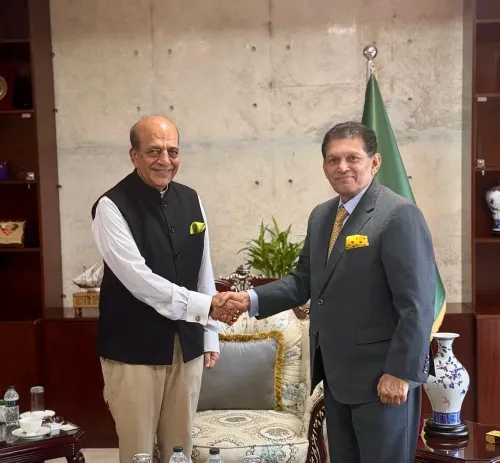
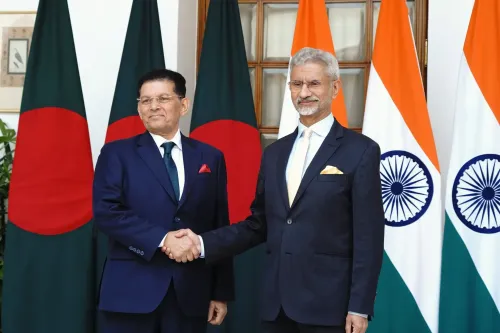
India's External Affairs Minister S Jaishankar was among the first to congratulate the incoming Assembly President, signalling New Delhi's intent to engage closely with Dhaka's top diplomat at the multilateral high table.
Key Developments
Rahman will assume the presidency in September 2025 when the next session begins, succeeding Germany's Annalena Baerbock. Under the UN's rotating presidency system, the chair fell to the Asia-Pacific group this cycle, with two candidates in the fray.
A career diplomat who served at Bangladesh's UN mission and later as the country's national security adviser, Rahman took over as foreign minister in February. He has also worked within the UN system, lending his candidacy institutional familiarity.
What Jaishankar Said
“Congratulations to FM (Foreign Minister) Dr Khalilur Rahman of Bangladesh on his election as President of the 81st Session of the United Nations General Assembly,” Jaishankar wrote in a post on X.
“Look forward to working closely with him to advance our shared priorities and strengthen multilateral cooperation,” he added.
The Theme and the Tests Ahead
Rahman has framed his tenure around the theme “Restoring Trust, Managing Transformation: A United Nations that Delivers for All”. He described the upcoming session as opening at “a historic crossroads”.
The 81st session will host the election of the next UN Secretary-General — although the Security Council holds the decisive vote — and grapple with a deepening budgetary crisis expected to peak later this year. The Iran conflict, its spillover on developing economies, and other active wars will also crowd the agenda.
“I intend to work with Member States to prevent another lost decade” of development, Rahman said, pointing to compounding economic shocks. He argued that Bangladesh's long record in UN peacekeeping would help him steer multilateral responses to crises.
A Vote That Revealed Divisions
The contest laid bare one of the sharper dividing lines at the UN — between the well-organised bloc of Muslim-majority nations clustered around the Organisation of Islamic Cooperation (OIC), which campaigned for Rahman, and Western states that largely backed Kakouris.
UN Secretary-General Antonio Guterres said Rahman would assume the gavel “at a moment of deep challenge but also profound possibility for our organisation”, adding that day-to-day diplomacy at the Assembly gave him “renewed hope”.
US Deputy Permanent Representative Tammy Bruce said the Assembly would rely on Rahman's “impartial leadership”, while reprising Washington's reform pitch: “We hope that you seize this opportunity to improve the Assembly's efficiency, reduce its costs, and refocus on core issues, measuring success by the quality of the results achieved — not by the volume of declarations produced.”
Historical Footnote
This is only the second time a Bangladeshi will lead the General Assembly. Former foreign minister Humayun Rasheed Chowdhury held the post during 1986-87. For Dhaka, the win is a notable diplomatic milestone; for New Delhi, it opens a fresh channel of engagement with a neighbour whose ties have been recalibrating in recent months.
Point of View
And Dhaka's diplomats read that map better this round. For India, Jaishankar's swift congratulations are pragmatic: ties with Bangladesh have cooled since the political churn in Dhaka, and the UNGA chair is a forum New Delhi cannot afford to lose access to. The harder question is whether Rahman's peacekeeping-led pitch survives contact with a budget crunch and a Secretary-General race that the Security Council, not the Assembly, will ultimately decide.
NationPress
18 Oct 2026
Frequently Asked Questions
Who is Khalilur Rahman, the new UNGA President?
Khalilur Rahman is Bangladesh's Foreign Minister, a post he assumed in February. A career diplomat, he previously served at Bangladesh's UN mission, as the country's national security adviser, and has worked within the UN system.
How did the UNGA presidency vote go?
Rahman won 99 of the 190 votes cast in the 193-member General Assembly, while Cypriot diplomat Andreas Kakouris received 91. The contest fell to the Asia-Pacific group under the UN's rotating presidency system.
What did Jaishankar say about the election?
External Affairs Minister S Jaishankar congratulated Rahman in a post on X and said he looked forward to working closely with him to advance shared priorities and strengthen multilateral cooperation.
What will be the priorities of the 81st UNGA session?
The session will oversee the election of the next UN Secretary-General, confront a looming budgetary crisis, and address the Iran conflict alongside its spillover on developing economies. Rahman has set his theme as ‘Restoring Trust, Managing Transformation: A United Nations that Delivers for All'.
Has a Bangladeshi led the UNGA before?
Yes. Former foreign minister Humayun Rasheed Chowdhury served as UNGA President during 1986-87. Rahman is only the second Bangladeshi to hold the post.