BAPS Paris Mandir welcomes diplomats from 43 nations for Indo-French Cultural Day
Synopsis
The BAPS Swaminarayan Mandir near Paris hosted over 50 UNESCO ambassadors from 43 countries for an Indo-French Cultural Open Day. India's UNESCO envoy called the temple 'Made in India, built in France, celebrated by the world,' as officials framed it as living heritage — not a museum artefact but a permanent bridge between Indian civilisation and contemporary Europe.
Key Takeaways
Over 50 UNESCO ambassadors and diplomats from 43 countries attended the Indo-French Cultural Open Day at the BAPS Swaminarayan Mandir in Bussy-Saint-Georges .
The event was hosted by the Permanent Delegation of India to UNESCO .
India's UNESCO envoy Vishal Sharma described the Mandir as 'Made in India, built in France, celebrated by the world.' UNESCO's Jyoti Hosagrahar called the temple a demonstration of living heritage and intercultural dialogue.
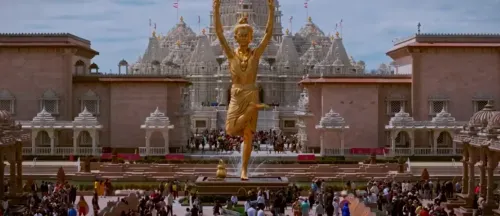
The Mandir blends centuries-old Indian craftsmanship with modern French engineering, involving thousands of volunteers.
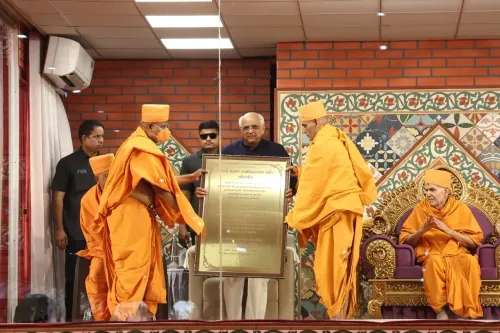
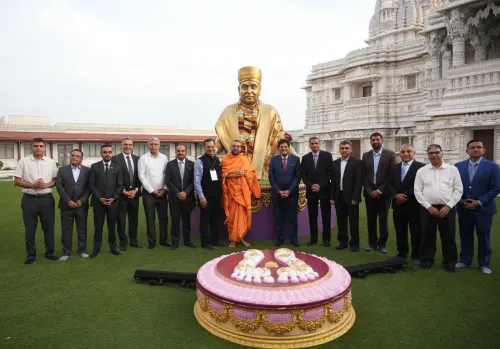
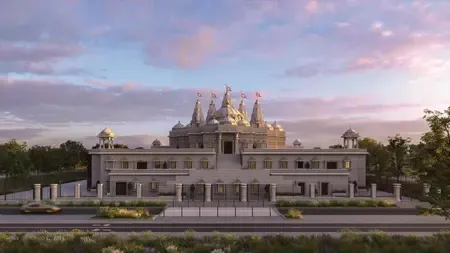
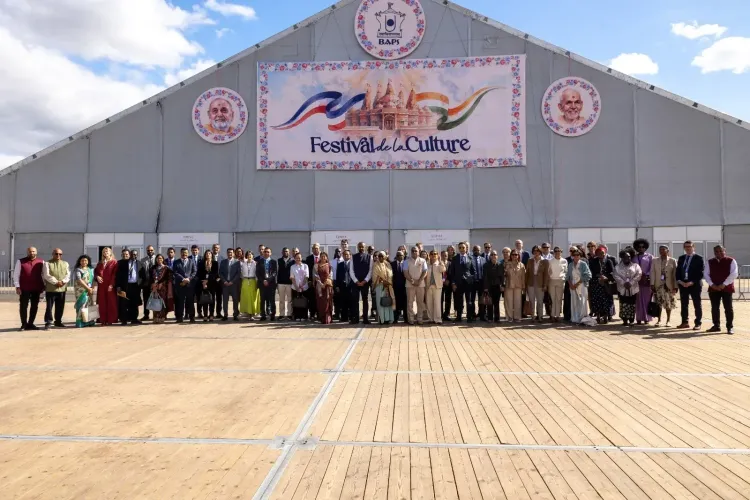
More than 50 UNESCO ambassadors and diplomats representing 43 countries gathered at the newly inaugurated BAPS Swaminarayan Hindu Mandir in Bussy-Saint-Georges, near Paris, for a special Indo-French Cultural Open Day celebrating cultural dialogue, shared values, and the enduring friendship between India and France. The event, hosted by the Permanent Delegation of India to UNESCO, brought together senior diplomatic representatives from across Europe, Africa, Asia, the Arab States, the Americas and the Caribbean, alongside UNESCO officials.
A Diplomatic Gathering of Global Scale
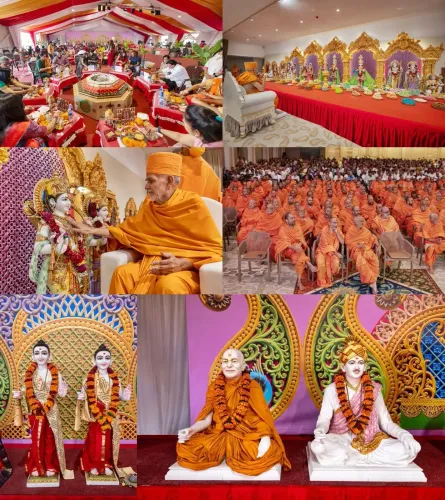
The wide-ranging participation lent the occasion a distinctly international character. Ambassadors, permanent delegates, and senior representatives from diverse cultural and geographical backgrounds converged on the temple town east of Paris to experience Indian heritage in a contemporary French setting. The delegates travelled from UNESCO headquarters in Paris to Bussy-Saint-Georges, where they were received at a 'Festival of Culture' village before sharing a traditional Indian meal.
India's UNESCO Envoy Hails Cultural Bridge
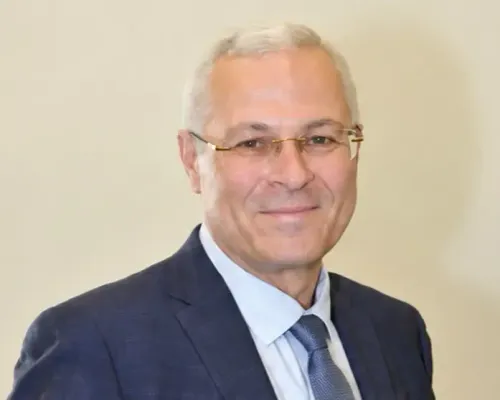
Vishal Sharma, Ambassador and Permanent Representative of India to UNESCO, addressed the gathering and described the Mandir as 'a remarkable celebration of India's civilisation, heritage and Indo-French collaborative masonry.' Highlighting the temple's significance within the UNESCO framework, Sharma said culture and heritage were at the heart of the organisation.
'Here, Indian cultural heritage has travelled across continents, not as a museum artefact, but as a living tradition,' he said, calling the Mandir 'Made in India, built in France, celebrated by the world.' A special film screened during the programme showcased the collaboration behind the temple's construction — centuries-old Indian craftsmanship and sacred architectural traditions combined with modern French engineering expertise.
UNESCO Official Underscores Living Heritage
Jyoti Hosagrahar, Deputy Director of the UNESCO World Heritage Centre, said the Mandir reflected the concept of living heritage and the cultural dialogue promoted by UNESCO. 'UNESCO attaches great importance to initiatives such as this, which celebrate cultural diversity, strengthen bonds between communities, promote intercultural dialogue and mutual understanding,' she added.
Hosagrahar noted that the temple demonstrated heritage as a living process and represented the richness of cultural diversity. She further observed that heritage and craftsmanship could foster dialogue, mutual respect, and social cohesion among people from different backgrounds.
The Spirit of Volunteering Behind the Mandir
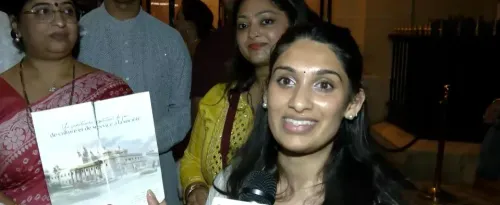
Bhavisha Patel, a lead BAPS volunteer, shared her experience of selfless service and spoke about the role of volunteering in giving people purpose, confidence, friendships, and opportunities to contribute to society. She highlighted the contribution of thousands of volunteers who dedicate their time alongside professional and family responsibilities — often without recognition — guided by the simple question, 'How can I help?'
Inspired by His Holiness Mahant Swami Maharaj, Patel said the shared spirit of service brought people together to contribute to the creation of the Paris Mandir and accomplish something beyond any individual's efforts.
What the Mandir Represents for Global Dialogue
Sanjay Kara, project lead of the Mandir, said it was a privilege to welcome ambassadors and diplomats from around the world and share the temple's beauty and values. He added that His Holiness Mahant Swami Maharaj had inspired the Mandir to become a place that brings people together in a spirit of peace, respect, and understanding.
'To see representatives of 43 nations gathered here today was a beautiful expression of that vision,' Kara said.
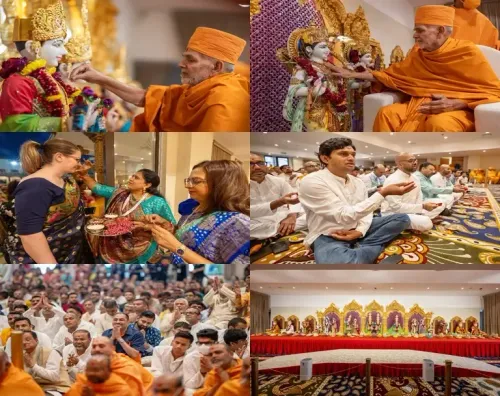
Following the programme, ambassadors and delegates took part in a guided tour of the Mandir before gathering for refreshments and sharing reflections on the Open Day. The event is expected to deepen cultural exchanges between India and France, with the temple positioned as a permanent landmark of Indo-French cooperation and interfaith dialogue.
Point of View
Aligning it directly with UNESCO's own mandate. Whether this translates into deeper institutional ties — or remains a one-off diplomatic photo-op — will depend on follow-through.
NationPress
28 Oct 2026
Frequently Asked Questions
What is the BAPS Swaminarayan Mandir in Paris?
It is a newly inaugurated Hindu temple built by the BAPS Swaminarayan Sanstha in Bussy-Saint-Georges, near Paris. The Mandir combines centuries-old Indian sacred architecture and craftsmanship with modern French engineering.
Why did UNESCO ambassadors visit the BAPS Paris Mandir?
Over 50 UNESCO ambassadors from 43 countries were invited by the Permanent Delegation of India to UNESCO for an Indo-French Cultural Open Day. The event celebrated cultural dialogue, shared values, and India-France heritage ties.
Who organised the Indo-French Cultural Open Day?
The event was hosted by the Permanent Delegation of India to UNESCO, led by Ambassador Vishal Sharma. It featured a traditional Indian meal, a cultural programme, a special film screening, and a guided tour of the Mandir.
What did UNESCO officials say about the Mandir?
Jyoti Hosagrahar, Deputy Director of the UNESCO World Heritage Centre, said the Mandir reflected living heritage and cultural dialogue. She noted that UNESCO values initiatives that celebrate cultural diversity and promote intercultural understanding.
How many countries were represented at the event?
Diplomats from 43 countries attended, spanning Europe, Africa, Asia, the Arab States, the Americas, and the Caribbean, along with UNESCO officials based in Paris.