Are Blasphemy Laws in Pakistan and Politicized Islamophobia Protecting Extremists?
Synopsis
A recent report highlights the misuse of blasphemy laws in Pakistan and the politicization of Islamophobia in Western democracies, revealing a troubling pattern of silencing criticism and enabling extremist ideologies. This article explores the implications for religious minorities and the broader societal impact.
Key Takeaways
Blasphemy laws in Pakistan are often misused against religious minorities .
Politicization of Islamophobia shields extremists from criticism.
Both mechanisms distort public understanding of religion.
Accusations often stem from personal conflicts rather than genuine offenses.
Using ideology to dominate undermines true religious freedom.
Islamabad, Jan 17 (NationPress) The misuse of blasphemy laws in Pakistan and the politicization of Islamophobia in Western democracies illustrate a common tactic aimed at stifling dissent, protecting extremist ideologies, and evading accountability, according to a recent report.
The report highlights that both these strategies not only distort public comprehension of faith but also exacerbate social divisions, while the genuine perpetrators of violence manipulate religious sentiments to further their goals.
“Radical extremist organizations have increasingly found methods to exploit both legal systems and social narratives to shield violent beliefs and escape scrutiny. In Pakistan, blasphemy laws are often misused to intimidate opponents, resolve personal disputes, or target religious minorities. Concurrently, in Western nations, the term ‘Islamophobia’ is occasionally politicized to protect extremist individuals from criticism and accountability. Although these strategies operate in different settings, they both serve to suppress dissent and distort the public's understanding of religion and extremism,” as detailed in a report by the Pakistan Christian Post.
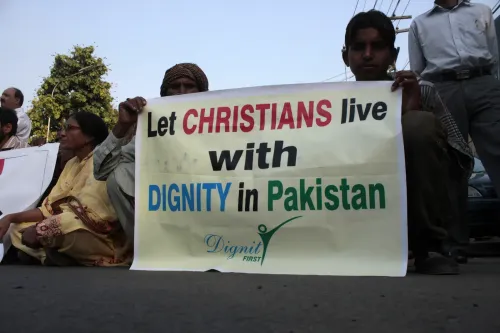
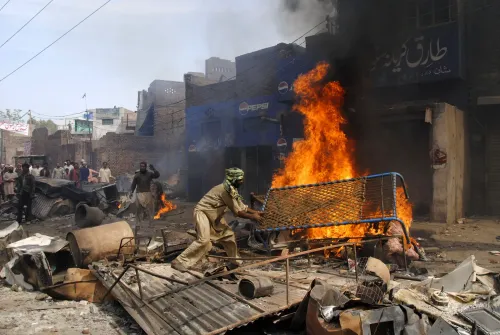
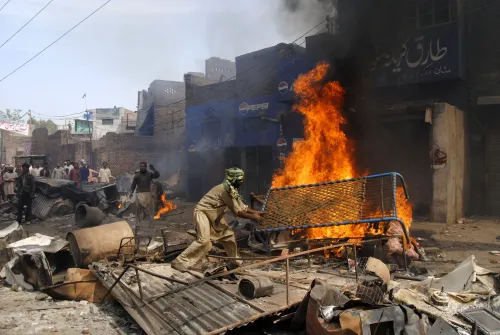
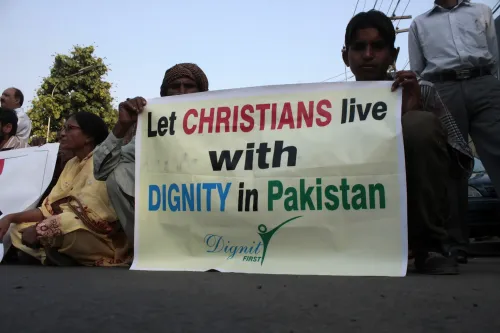
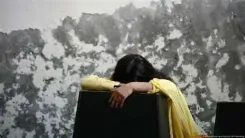
The report underlines that accusations of blasphemy in Pakistan disproportionately impact religious minorities, especially Christians.
Documented instances reveal that “personal disputes, workplace conflicts, professional jealousy, or biases against faith can escalate into criminal charges, often aimed at silencing or harming individuals of different religions. Families of the accused frequently endure extended detention, social isolation, and threats of extrajudicial violence.”
In nations without blasphemy laws, extremist individuals often take advantage of the politicization of Islamophobia to protect themselves. This tactic is frequently employed to suppress scrutiny of extremist networks, jihadi factions, and the radicalization of Islam.
“Such actors persist in executing violent assaults under the pretense of religious ideology, targeting civilians, security personnel, and state institutions. In Western contexts, criticism of these actions is sometimes labeled Islamophobic, intentionally blurring the lines between extremist ideology and religion, thus shielding violent actors from accountability,” the report noted.
The report emphasized that promoting Islamic radicalization and using Sharia laws to enforce specific beliefs cannot be equated with religious freedom. These actions represent a form of coercion aimed at dominating individuals of other faiths, including Christians and other minorities.
“Employing ideology or religious law to control, coerce, or suppress differing beliefs transforms faith into an instrument of social or political dominance, undermining pluralism, human rights, and the coexistence principles that true religious freedom necessitates,” it stated.
Point of View
I believe it is crucial to recognize the alarming ways in which blasphemy laws are manipulated in Pakistan and how Islamophobia is politicized in the West. Both phenomena not only threaten religious minorities but also undermine the very foundation of pluralism and coexistence. Our commitment lies with the truth and the protection of human rights for all individuals, regardless of their faith.
NationPress
1 Oct 2026
Frequently Asked Questions
What are the implications of blasphemy laws in Pakistan?
Blasphemy laws in Pakistan disproportionately affect religious minorities, leading to intimidation, social ostracism, and violence against individuals accused of blasphemy.
How is Islamophobia politicized in Western democracies?
In some Western contexts, the term Islamophobia is used to deflect criticism from extremist individuals and groups, thereby shielding them from accountability.
What are the effects of these laws on society?
Both blasphemy laws and politicized Islamophobia contribute to social polarization, undermine public understanding of religion, and facilitate violent agendas.