Balochistan teachers' forced retirement condemned by BSAC as 'undemocratic'
Synopsis
The Baloch Students Action Committee has accused Pakistani authorities of using forced retirements as a weapon against protesting teachers — in a province where ghost schools are already common and literacy rates remain among Pakistan's lowest. The condemnation lays bare a deepening education crisis that years of government promises have failed to address.
Key Takeaways
The Baloch Students Action Committee (BSAC) on 16 June condemned the forced retirement of teachers and government employees in Balochistan by Pakistani authorities.
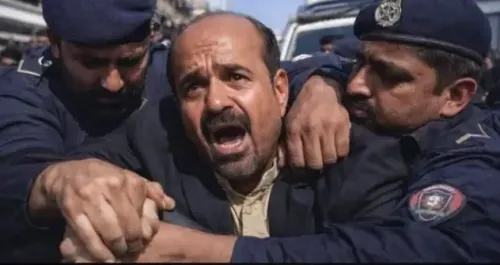
The BSAC alleged forced retirements are being used to silence those who protest for their constitutional rights, calling it part of a ‘conspiracy’ to keep Balochistan educationally deprived.
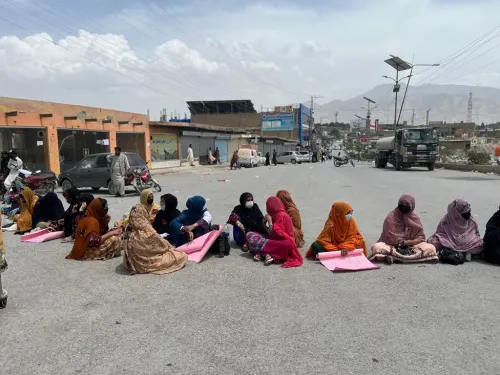
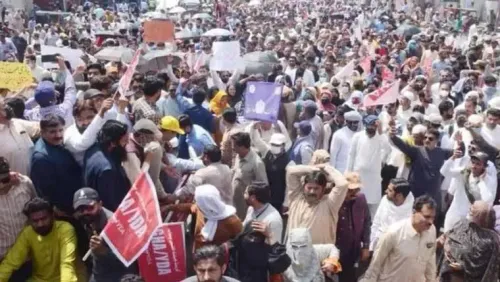
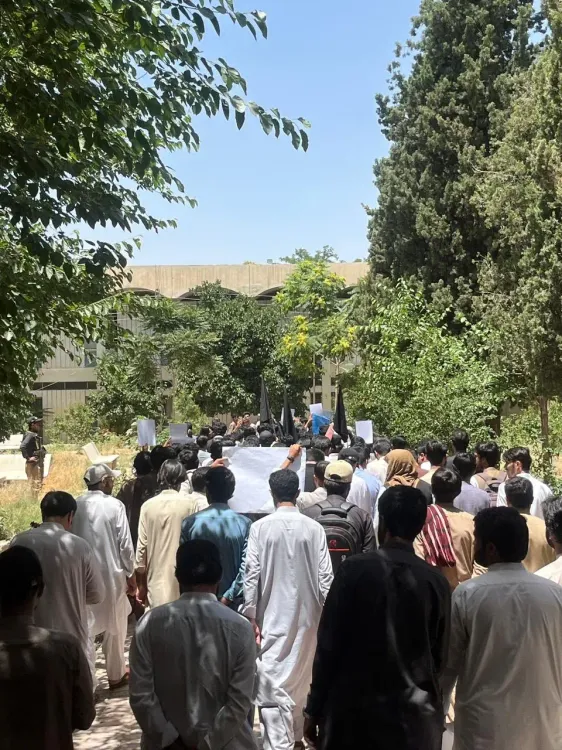
A severe teacher shortage has already left multiple schools non-functional, widely described as ‘ghost schools.’ Teachers and government employees have staged protests for over a year demanding constitutional rights, with the government yet to respond meaningfully.
The BSAC called on authorities to immediately halt the forced retirement process and reverse what it labelled an ‘anti-education policy.’
The Baloch Students Action Committee (BSAC) on 16 June strongly condemned the forced retirement of teachers and government employees in Balochistan by Pakistani authorities, calling the move “undemocratic and regrettable.” The student body alleged that such measures are being deployed as a deliberate tactic to silence those who speak up for their rights.
Forced Retirements as a Silencing Tool
According to the BSAC, the forced retirement process is not an administrative exercise but a punitive mechanism — one designed to deter teachers and government employees from raising legitimate grievances. The organisation described retaliatory actions against these workers as part of a broader “conspiracy” to keep Balochistan educationally deprived and to further suppress its already low literacy rate.
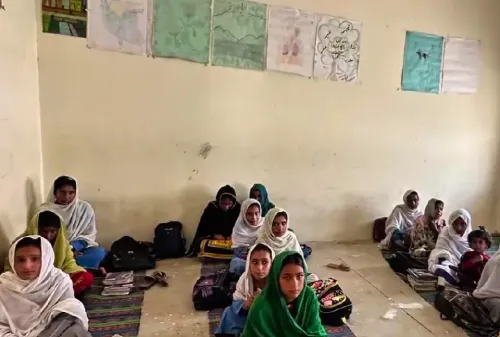
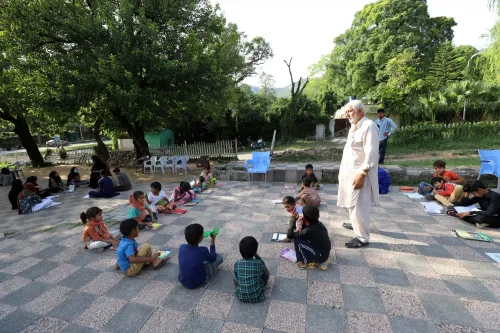
The student body noted that a severe shortage of teachers across the province has already rendered several schools non-functional, reducing them to what are widely referred to as ‘ghost schools’ — institutions that exist on paper but provide no actual education.
The State of Education in Balochistan
The BSAC painted a stark picture of the province’s educational landscape. “The dire state of education in Balochistan has persisted for a long time. Every incoming government makes claims of educational reform, but in practice, they appear miles away from taking meaningful steps,” the organisation stated.
It added that in many parts of Balochistan, not only are qualified teachers and quality education absent — in several areas, school buildings themselves do not exist. “This situation highlights the ongoing educational backwardness in Balochistan, which is a moment for serious reflection,” the BSAC said.
Teachers' Protests and Government Response
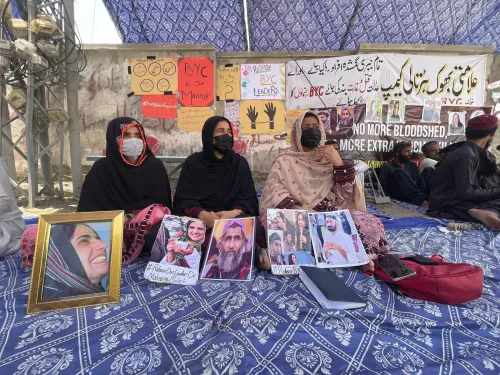
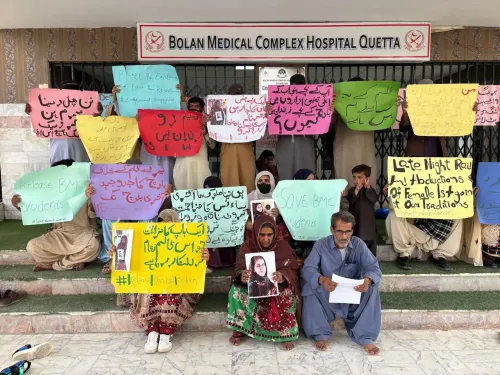
Government employees in Balochistan — many of them professors and teachers — have reportedly endured significant hardship while staging sustained protests over the past year, demanding fulfilment of their constitutional rights. Despite repeated government assurances of reform, the BSAC said, authorities have consistently failed to address the teachers’ legitimate demands.
The student organisation was unequivocal in its defence of the teaching community. “Teachers are considered an essential component of any society’s progress, and it is teachers who form the fundamental unit for bringing about an educational revolution. Their humiliation in this manner is unacceptable,” the BSAC stated, adding that the relationship between teachers and students is “one of intellect and spirit.”
Demands and the Road Ahead
The BSAC called on Pakistani authorities to immediately halt the forced retirement of teachers and other government employees, urging a reversal of what it termed an “anti-education policy” in Balochistan. The organisation demanded that the government move beyond rhetoric and take concrete steps to address the province’s chronic educational crisis.
With Balochistan already among Pakistan’s most educationally marginalised provinces, the forced retirement of experienced teachers risks deepening a crisis that successive governments have failed to resolve.
Point of View
And ghost schools are not a new phenomenon but a long-standing failure. Every government has promised reform; none has delivered at scale. Using forced retirement as a punitive tool against the very people holding the education system together is not just undemocratic — it is self-defeating. The BSAC's condemnation draws attention to a crisis that deserves far more scrutiny than it typically receives.
NationPress
19 Sept 2026
Frequently Asked Questions
What is the BSAC and why has it condemned Pakistan's actions in Balochistan?
The Baloch Students Action Committee (BSAC) is a student organisation representing Baloch students' interests. It condemned Pakistani authorities' forced retirement of teachers and government employees on 16 June, alleging the move is a punitive tactic to silence those demanding their constitutional rights rather than a legitimate administrative measure.
What are 'ghost schools' in Balochistan?
Ghost schools are institutions that exist officially on record but are non-functional in practice — often due to a severe shortage of teachers. The BSAC has cited the proliferation of ghost schools as evidence of Balochistan's deepening education crisis, which forced retirements risk worsening.
How long have Balochistan teachers been protesting?
According to the BSAC, teachers and government employees in Balochistan have been staging protests for over a year, demanding fulfilment of their constitutional rights. Despite repeated government claims of educational reform, their demands have reportedly gone unaddressed.
What has the BSAC demanded from Pakistani authorities?
The BSAC has demanded that Pakistani authorities immediately halt the forced retirement of teachers and other government employees in Balochistan, and urged a reversal of what it described as an 'anti-education policy' in the province.
Why is education in Balochistan in crisis?
Balochistan faces a chronic shortage of teachers, non-functional ghost schools, and low literacy rates. The BSAC argues that successive governments have made promises of educational reform without meaningful follow-through, and that forced retirements of experienced teachers will deepen the crisis further.