Why Did the Balochistan Government Suspend 38 Teachers?
Synopsis
In a controversial move, the Balochistan government has suspended 38 educators, including female teachers, for their involvement in protests advocating employee rights. This action has sparked outrage among employee organizations, who argue it undermines the right to protest and raises concerns about the government's commitment to education. Will this lead to further unrest?
Key Takeaways
Suspension of 38 teachers highlights government crackdown on protests.
Employee organizations condemn the actions as repressive.
The government claims the suspensions are for disciplinary reasons.
The Balochistan Grand Alliance continues to advocate for employee rights.
Calls for peaceful dialogue are essential to resolve tensions.
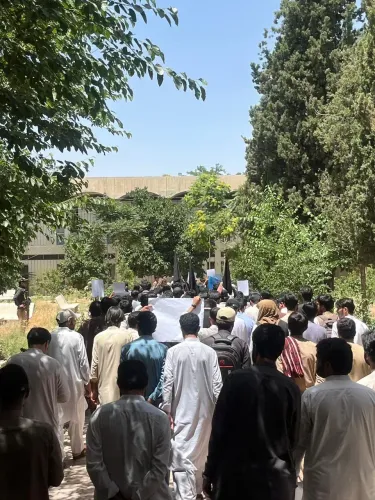
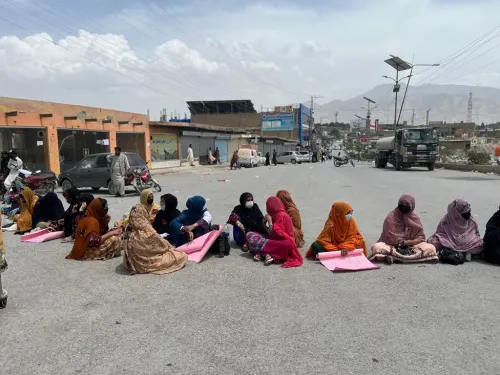
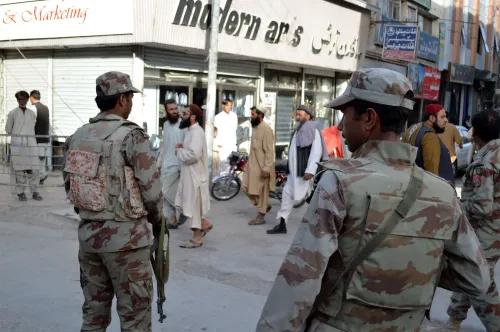
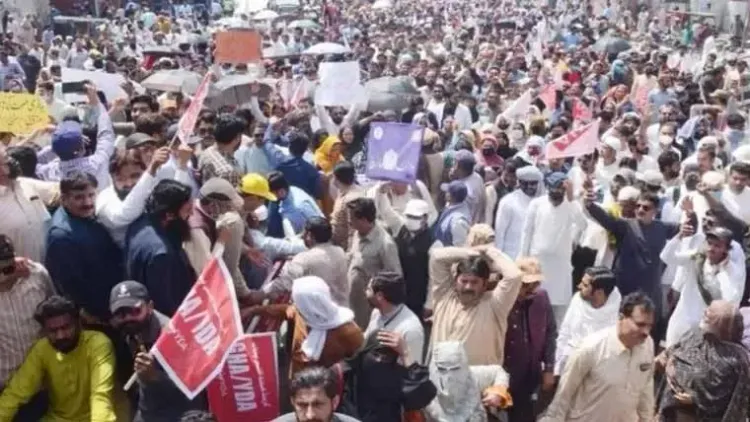
Quetta, Jan 12 (NationPress) In a continued effort to clamp down on public sector employees, the provincial administration of Balochistan in Pakistan has decided to suspend 38 assistant professors and lecturers, including six female educators from various college departments, for a period of three months due to their involvement in strikes and protests, as reported by local media on Monday.
A notification issued by the chief secretary of Balochistan stated that these actions were taken under the Balochistan Employees’ Efficiency and Discipline Act (BEDA) for engaging in strikes, locking government offices, and obstructing official functions. The suspended educators have been accused of violating government protocols.
According to sources, The Balochistan Post highlighted that among those suspended is Abdul Qudoos Kakar, the chairman of the Balochistan Grand Alliance—a coalition of government employees leading the protest movement addressing various demands concerning employee rights.
Employee organizations condemned this governmental action, labeling the suspensions as attempts to stifle the right to protest. They cautioned that punitive actions against educators would exacerbate tensions between the government and its workforce.
Simultaneously, the Baloch Students Action Committee (BSAC) criticized the government's decision, describing it as part of a historical trend of silencing voices that seek justice. The organization stated, "The history of Balochistan shows that any call for truth and justice has been met with force and vengeance from the government of the time," asserting that the response to the Balochistan Grand Alliance’s "legitimate requests" through "repression and violence" is "deeply regrettable and authoritarian."
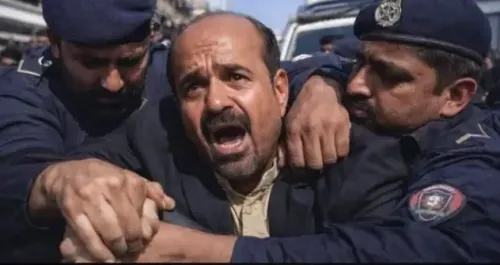
A BSAC spokesperson remarked that the suspension of educators, including female teachers and the arrest of alliance leaders, indicates a government that is "afraid of knowledge and the written word." He emphasized that despite claims of enhancing education, the reality shows a government prioritizing force over educational advancement.
The organization urged the Balochistan government to abandon its "stubbornness and aggressive tactics" and instead engage in peaceful dialogue with the protesting employees.
Point of View
It is crucial to recognize the ongoing struggle for employee rights in Balochistan. The recent suspension of 38 teachers highlights a significant conflict between government authority and the rights of public sector employees. While the government cites disciplinary actions, it raises questions about the value placed on education and the right to protest. The need for constructive dialogue is paramount to ensure stability and progress in the region.
NationPress
12 Oct 2026
Frequently Asked Questions
Why were the teachers suspended?
The teachers were suspended for participating in strikes and protests, which the Balochistan government deemed a violation of the Balochistan Employees’ Efficiency and Discipline Act.
What is the Balochistan Grand Alliance?
The Balochistan Grand Alliance is a coalition of government employees advocating for their rights and addressing various employee-related demands.
How has the Balochistan government responded to protests?
The government has responded to protests with suspensions and punitive measures against employees, which has raised concerns among labor organizations.
What are the implications of these suspensions?
The suspensions could lead to increased tensions between the government and its employees, undermining the educational sector and the rights of workers.
What do employee organizations want?
Employee organizations are calling for a peaceful engagement with the government to address their concerns and demands regarding employee rights.