Khuzdar girls' school has no secondary classes, only 6 teachers for 200+ students
Synopsis
A girls' high school in Khuzdar, Balochistan has no secondary classes and only six to seven teachers for over 200 students — and the Baloch Literacy Campaign says core subjects like science, maths, and English aren't being taught at all. Set against a backdrop of alleged forced teacher retirements and proliferating 'ghost schools', the case exposes a structural education crisis that repeated government promises have failed to fix.
Key Takeaways
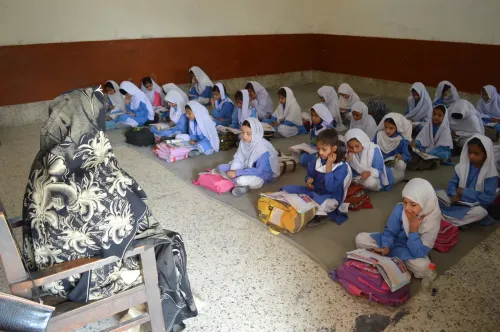
Government Girls High School Sarrej in Khuzdar, Balochistan has only 6–7 teachers serving more than 200 students .
Despite being registered as a high school, the facility has no secondary-level classes , cutting off girls from further education.
Core subjects — science, mathematics, and English — are reportedly not being taught at the school.
The BLC also flagged an alleged 'illegal practice of alternate teachers', disrupting regular instruction with untrained substitutes.
The BSAC separately condemned alleged forced retirements of teachers across Balochistan, calling it a tactic to silence educators.
The BSAC warned that a province-wide teacher shortage has turned several schools into non-functional 'ghost schools' .
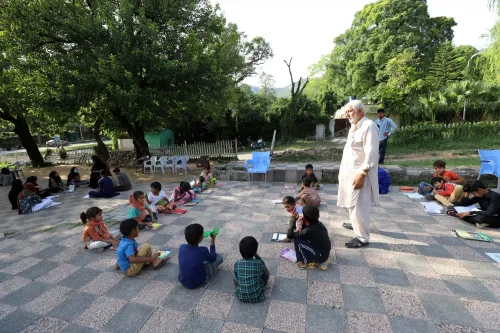
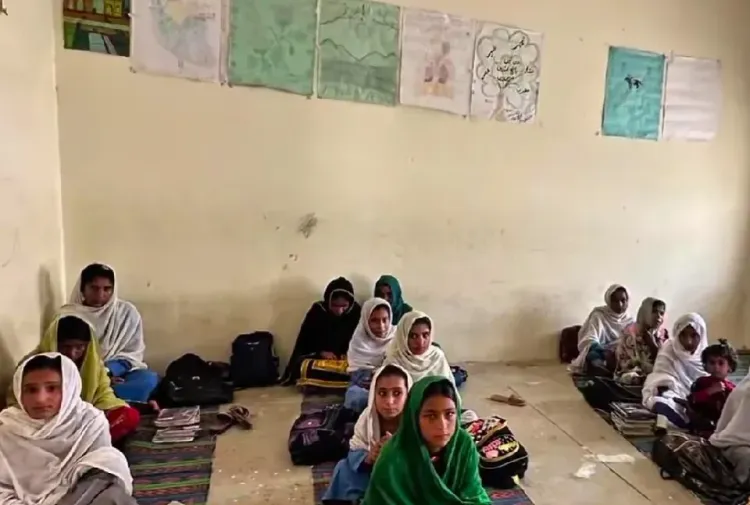
The Baloch Literacy Campaign (BLC), an initiative of the Baloch Students Action Committee (BSAC), has raised serious alarm over the deteriorating state of Government Girls High School Sarrej in the Greshag area of Khuzdar district, Balochistan, warning that more than 200 students are being failed by a system with barely six to seven teachers and no functional secondary classes.
Key Deficiencies at the School
According to the BLC, the school — formally registered as a high school — offers no secondary-level instruction, effectively forcing girls to abandon their education after the middle stage. Core subjects including science, mathematics, and English are reportedly not being taught at all, depriving students of the foundational knowledge required for higher schooling.
The campaign also alleged an 'illegal practice of alternate teachers' — whereby a teacher on duty is replaced by an untrained substitute — disrupting regular classes and lowering instructional quality. Inadequate classrooms, a shortage of textbooks, and the absence of clean drinking water compound the crisis further.
Forced Retirements and 'Ghost Schools'
The concerns over Sarrej school follow a separate but related issue flagged by the BSAC last week: the alleged forced retirement of teachers and government employees across Balochistan, which the student body described as 'undemocratic and regrettable.' The BSAC alleged that forced retirements are being deployed as a tactic to silence educators who speak out for their rights.
According to the BSAC, a severe province-wide teacher shortage has already rendered several schools non-functional — institutions commonly referred to as 'ghost schools.' The group alleged this amounts to a 'conspiracy' to keep Balochistan educationally deprived and suppress its literacy rate.
A Pattern of Unfulfilled Promises
The BSAC has pointed to a long-standing gap between government rhetoric and ground reality. 'Every incoming government makes claims of educational reform, but in practice, they appear miles away from taking meaningful steps,' the organisation stated. It noted that in many parts of Balochistan, not only do qualified teachers and quality education remain absent — schools themselves do not exist.
This comes amid broader concerns about female literacy in Balochistan, which consistently records some of Pakistan's lowest education indicators. The situation at Sarrej is not an isolated case but reflects a structural deficit that successive administrations have failed to address.
What the BLC Is Demanding
The BLC has called on educational authorities in Balochistan to take immediate notice of the situation at Government Girls High School Sarrej and implement concrete measures to restore a functional academic environment. It has specifically demanded adequate staffing, the introduction of secondary-level classes, provision of textbooks, and access to clean drinking water for students.
Whether the provincial education department responds — and how swiftly — will be closely watched by student groups and civil society organisations in the region.
Point of View
And the pattern of under-staffed, under-resourced schools persisting under successive governments suggests policy neglect rather than oversight. The BSAC's allegation that forced teacher retirements are being used to suppress dissent adds a political dimension that mainstream coverage of Pakistan's education crisis rarely interrogates. If 'ghost schools' are proliferating while a registered high school cannot offer secondary classes, the question is not just one of resource allocation but of accountability: who is responsible for verifying that schools on paper are schools in practice?
NationPress
23 Sept 2026
Frequently Asked Questions
What is the condition of Government Girls High School Sarrej in Khuzdar?
The school has only six to seven teachers for more than 200 students and offers no secondary-level classes despite being registered as a high school. Core subjects such as science, mathematics, and English are reportedly not being taught, and the school also lacks adequate classrooms, textbooks, and clean drinking water.
Who raised the alarm about the Khuzdar girls' school?
The Baloch Literacy Campaign (BLC), an initiative of the Baloch Students Action Committee (BSAC), flagged the deteriorating conditions at the school and called on Balochistan's educational authorities to take immediate corrective action.
What is the 'alternate teachers' practice alleged at the school?
The BLC alleged that teachers on duty are being illegally replaced by untrained substitutes, a practice it described as 'alternate teachers.' This reportedly disrupts regular classes and results in students receiving instruction from individuals with no formal teaching training.
What are 'ghost schools' in Balochistan?
Ghost schools are institutions that exist on official records but are non-functional in practice — often due to severe teacher shortages or absent staff. The BSAC has alleged that a province-wide shortage of teachers has already turned several schools in Balochistan into ghost schools.
What has the BSAC said about forced teacher retirements in Balochistan?
The BSAC condemned what it described as forced retirements of teachers and government employees, calling the move 'undemocratic and regrettable.' It alleged that forced retirement is being used as a tactic to deter educators from raising their voices, and that such measures are part of a broader effort to keep Balochistan educationally deprived.